



Oil Sector Faces New Funding Levy Debate as South-South Commission Bill Sparks Investment Concerns


Nigeria’s oil and gas industry regulators and operators have voiced significant reservations regarding a proposed amendment to the South-South Development Commission (Establishment) Act, 2025. The core of the contention lies in a new statutory levy on petroleum companies, which stakeholders warn could jeopardise investment and escalate operational costs.
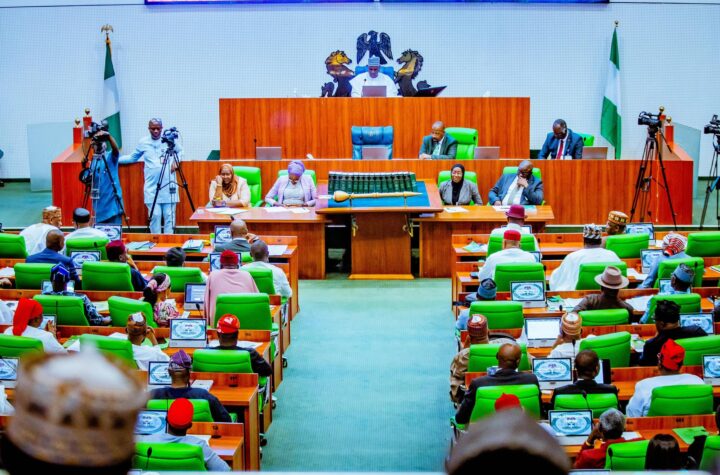
The concerns surfaced during a resumed public hearing convened by the House of Representatives Committee on the South-South Development Commission. The bill aims to bolster the Commission’s funding by introducing a three per cent contribution from the total annual budgets of oil and gas producing companies operating within the South-South region. This revenue is intended to support infrastructure and socio-economic development initiatives.
The committee, led by Chairman Hon. Julius Pondi, reconvened the hearing to ensure all critical stakeholders, particularly those involved in the strategic petroleum sector, could present their input. Pondi emphasised the House’s commitment to an inclusive and transparent legislative process, assuring that all submissions would be meticulously reviewed. The amendment seeks to broaden the Commission’s financial base to address persistent developmental challenges in the region, despite its substantial economic contributions through petroleum, maritime, and industrial activities.
Representing the Nigerian Upstream Petroleum Regulatory Commission (NUPRC), Head of Regulations and Statutory Compliance, Kingsley Chikwendu, expressed support for a sustainable funding framework but cautioned against the proposed levy. Chikwendu highlighted the ambiguity surrounding the term “total annual budget,” which creates uncertainty regarding liability assessment, deduction calculations, payment timelines, and enforcement, especially for complex joint venture operations and companies with multi-regional assets. He warned that this could translate into an expenditure-based levy irrespective of profitability or production levels, adding to the already substantial statutory obligations borne by upstream operators. These include royalties, petroleum taxes, the Niger Delta Development Commission levy, Host Community Development Trust Fund contributions under the Petroleum Industry Act, the Nigerian Content Development Fund, and environmental remediation commitments.

Echoing these sentiments, the Nigerian Midstream and Downstream Petroleum Regulatory Authority (NMDPRA) urged lawmakers to ensure any new funding mechanism aligns with the fiscal principles of the Petroleum Industry Act, promotes regulatory certainty, and safeguards investor confidence. The Oil Producers Trade Section (OPTS) of the Lagos Chamber of Commerce and Industry also opposed the levy, citing existing substantial statutory contributions. Chairman Bala Wudiri cautioned that an additional mandatory contribution could lead to duplicated obligations, increased operational costs, and diminished Nigeria’s attractiveness as an investment destination.
Despite the reservations about the proposed funding model, stakeholders broadly endorsed efforts to strengthen the South-South Development Commission and enhance regional development. They implored lawmakers to adopt a balanced approach that bolsters the Commission’s financial capacity without deterring crucial investment in the petroleum industry. The House committee is now tasked with reviewing all submitted memoranda and recommendations before presenting its findings to the House of Representatives for further legislative action.