









Mauritius Unveils National Fintech Strategy 2026-2030, Targeting Regional Hub Status and Economic Diversification

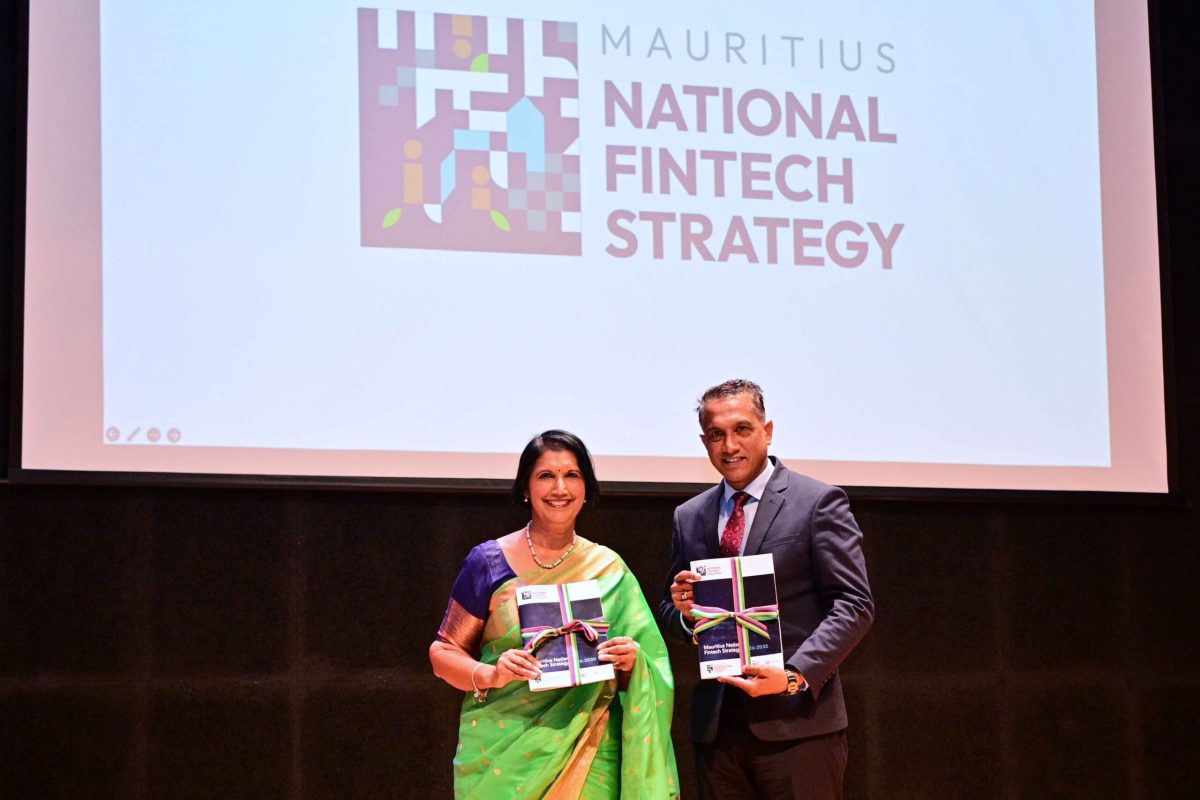

The Republic of Mauritius has officially launched its National Fintech Strategy 2026–2030, a comprehensive roadmap designed to solidify its position as a leading regional fintech hub and a critical gateway for digital finance between Africa and the global market. The strategy, unveiled on Thursday, 25 June 2026, by the Ministry of Financial Services and Economic Planning, signals a decisive move to harness financial technology as a new pillar of economic growth.
The launch event, held at the Atal Bihari Vajpayee Auditorium at the Côte d’Or Technopole, convened over 200 stakeholders from the financial and technology sectors. This initiative underscores the government’s ambition to foster a dynamic, inclusive, and competitive fintech ecosystem capable of attracting substantial investment, driving innovation, and facilitating the launch, growth, and expansion of both local and international fintech operations from Mauritius.
The National Fintech Strategy is built upon two core strategic objectives: enhancing Mauritius’ competitiveness as a premier regional fintech centre and accelerating digital and financial transformation through the widespread adoption of fintech solutions across government, businesses, and households. This forward-looking plan aims to create a more agile regulatory framework, build resilient digital infrastructure, cultivate essential future-ready skills, bolster the nation’s international profile, and significantly improve financial inclusion and consumer protection by 2030.
Dr. Jyoti Jeetun, Minister of Financial Services and Economic Planning, articulated the strategy’s vision, stating, “The National FinTech Strategy 2026–2030 reflects the Government’s ambition to position Mauritius as Africa’s trusted platform for digital finance, driven by innovation, inclusion and cross-border collaboration.” She emphasised the transformative power of financial technologies in improving access to services, simplifying transactions, and creating new growth opportunities, positioning fintech as a unique avenue for Mauritius to reimagine its economic model, boost local value creation, and enhance its competitive edge.
To achieve these ambitious goals by 2030, the Strategy is structured around six interconnected pillars:
* Regulatory framework and innovation
* Digital infrastructure development and cybersecurity
* Talent and skills development
* Innovation, investment and market development
* International collaboration and regional positioning
* Financial inclusion, awareness and consumer protection
These pillars are intended to foster a more agile, transparent, and efficient regulatory environment through streamlined processes and enhanced institutional coordination. A significant focus is also placed on strengthening digital infrastructure, particularly payment systems, to ensure a secure and reliable digital ecosystem.

Dr. Avinash Ramtohul, Minister of Information Technology, Communication and Innovation, highlighted the strategy’s synergy with other national digital initiatives. He noted that the National Fintech Strategy is a key component of the government’s broader vision to establish Mauritius as a trusted regional leader in digital finance and innovation, complementing efforts such as the National Artificial Intelligence Strategy and the FAIR AI Guidelines. The strategy aims to bolster the fintech ecosystem through a modern, innovation-friendly regulatory framework, enhanced cybersecurity, robust data protection, interoperable digital infrastructure, and the continued development of services like the KOREK! SuperApp and digital government services. Investment in digital skills, support for startups, fostering international partnerships, and promoting financial inclusion are also central to this integrated approach.
The Mauritius National Fintech Strategy 2026–2030 represents a commitment to building a modern, open, and competitive digital economy. It provides a unified framework for public institutions, private sector organisations, academia, and international partners to collaborate on fostering a sustainable, value-creating fintech ecosystem. By leveraging innovation, digital infrastructure, skills development, and international cooperation, Mauritius aims to solidify its role as a strategic conduit between Africa and the rest of the world.
The development of the Strategy was supported by the United Nations Economic Commission for Africa (UNECA). Eunice Kamwendo, Director of the ECA Subregional Office for Southern Africa, reaffirmed UNECA’s commitment to supporting Mauritius in shaping Africa’s digital finance future. She commended Mauritius as a model for African nations in developing locally designed yet globally competitive policies for emerging technologies. Kamwendo underscored the importance of coherent governance and robust national strategies for achieving decent formal employment, fostering innovation, and advancing financial inclusion across the continent, characterising Mauritius’ National Fintech Strategy as “forward-looking, ambitious and evidence-based.”