







US Imposes Polysilicon Tariffs and Price Floors, Reshaping Solar Supply Chain Economics


TITLE:
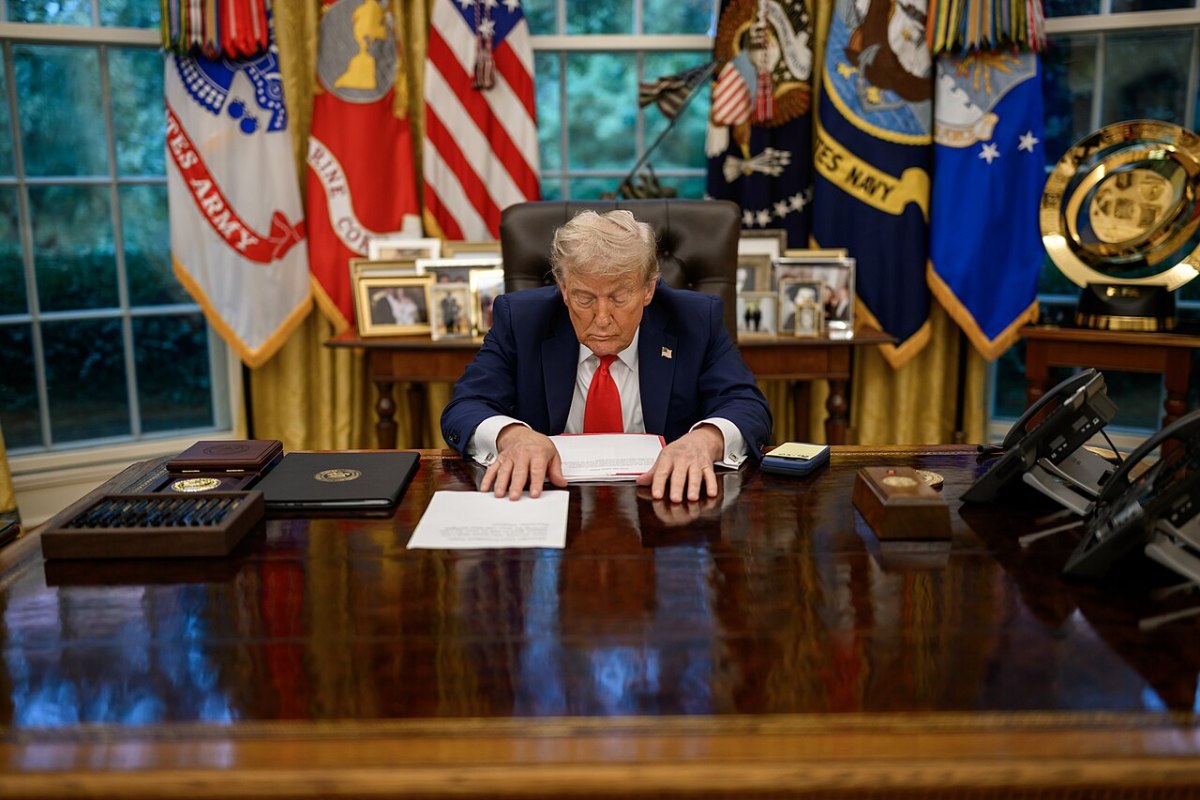
The United States is set to implement significant trade measures impacting the solar energy sector, with a 15% tariff and minimum import prices on polysilicon and related downstream products. These regulations, effective December 4, 2026, stem from a Section 232 investigation that concluded polysilicon imports pose a threat to U.S. national security. The White House has endorsed these findings, establishing price floors at $21 per kilogram for polysilicon, $100 per kilogram for ingots and wafers, $0.22 per watt for solar cells, and $0.38 per watt for solar modules.
This policy aims to bolster domestic manufacturing capabilities for both solar and semiconductor-grade polysilicon, addressing the nation’s near-total reliance on imports for solar ingots, wafers, and cells. The administration acknowledges that without a viable domestic market for solar-grade polysilicon, U.S. producers cannot sustain operations essential for national economic and security interests. The U.S. Trade Representative is empowered to negotiate arrangements with trading partners to modify tariff and price floor applicability. Furthermore, the Secretary of Commerce is authorised to establish incentives for domestic production of raw polysilicon, ingots, wafers, and cells, and to accept onshoring plans for facilities commencing construction by January 20, 2029.
Industry analysis from Roth Capital Partners indicates these Section 232 tariffs will substantially increase U.S. solar average selling prices. While designed to complement Section 45X production credits and existing trade policies to encourage domestic manufacturing, the immediate effect is a rise in costs across the supply chain. For U.S. module manufacturers importing cells, estimated post-tariff pricing is projected to reach $0.40/W, an $0.11/W increase. Domestic producers importing wafers and cells face an estimated price of $0.48/W, a $0.05/W rise. Directly imported finished modules are expected to see a premium of $0.14/W, reaching $0.38/W. These equipment cost increases are anticipated to translate into higher Power Purchase Agreement (PPA) rates, potentially by $4.00 to $5.00/MWh, to offset increased capital expenditures.

Manufacturers already operating in the U.S. have welcomed the announcement. Mark Widmar, CEO of First Solar, hailed the move as strategically significant, stating it closes loopholes exploited by China-linked supply chains and establishes a level playing field for American manufacturers. Andy Park, Global CEO of Hanwha Qcells, noted the decision balances current manufacturing realities with the ambition to onshore the entire solar supply chain, supporting existing investments and job creation while fostering future growth. Dan Barcelo, Chairman & CEO of T1 Energy, echoed this sentiment, highlighting the policy’s benefit to companies creating high-quality American jobs. Aaron Hall, President of Anza, pointed out that the tariffs dramatically alter solar procurement economics, making domestic wafer production significantly more valuable and likely spurring substantial new investment in this segment of the supply chain.