








“Courts Shouldn’t Determine Election Outcomes” — Obasanjo, Jonathan Call for Stronger Democratic Institutions Across Africa


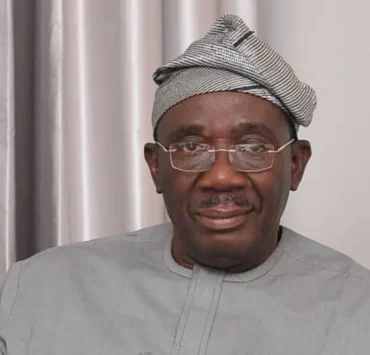
Former President Olusegun Obasanjo has questioned the democratic legitimacy of electoral systems in which the judiciary can overturn or determine the outcome of elections after millions of citizens have cast their votes.
Obasanjo raised the concern on Tuesday while chairing the 2026 Goodluck Jonathan Foundation Democracy Dialogue at the Ahmadu Bello International Conference Centre in Bauchi.
The dialogue, themed, “Beyond Elections: Can Political Parties and Judiciary Save African Democracy?”, brought together political leaders, former public office holders, academics and democracy advocates from Nigeria and other African countries.
Obasanjo argued that democracy should primarily reflect the choices of citizens expressed through the ballot box. He questioned whether it was democratic for the votes of millions of people to ultimately be determined by a small panel of judges.
“If millions of people have voted and five people would form a decision either in favour or against the decision of millions of people, is that democracy?” he asked.
The former president also raised concerns about the independence of the judiciary, questioning whether the courts were sufficiently insulated from governmental and political influence.
He said the issues raised broader questions about the quality of democracy in Nigeria and across Africa, particularly in countries where democratic institutions have struggled to deliver good governance and improve citizens’ living standards.
According to Obasanjo, a functioning democracy must guarantee the welfare and wellbeing of citizens, promote inclusiveness and equality, protect lives and property, and address marginalisation and discrimination.
“Democracy that works must deliver the dividends of democracy,” he said.
He also questioned whether political parties were adequately performing their expected role in sustaining democratic governance.
“Can the political parties deliver, or are they delivering? These are the questions the dialogue needs to answer,” he said.
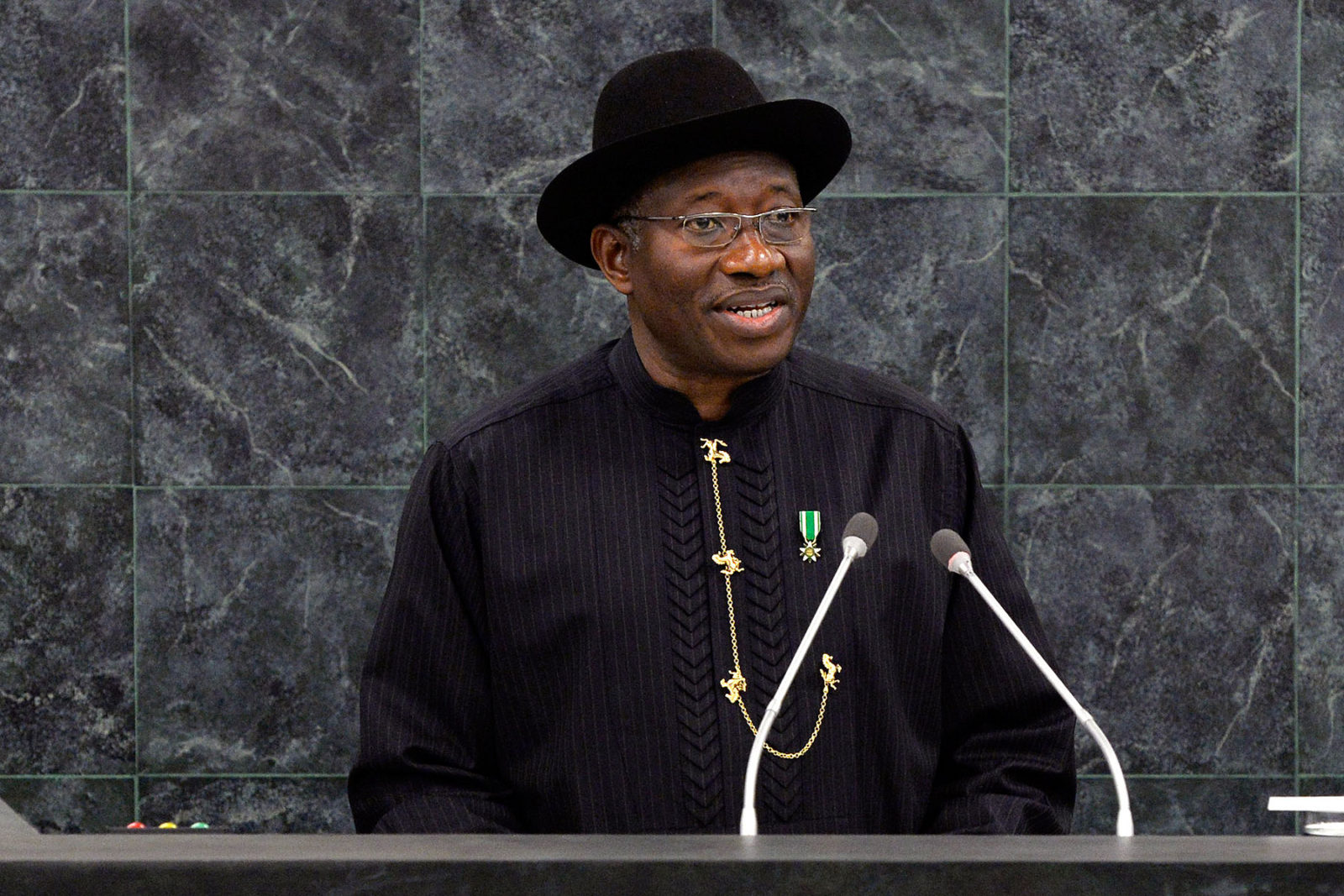
Former President Goodluck Jonathan, who also spoke at the event, called on African countries to reconsider the democratic systems inherited from other parts of the world and develop models that reflect the continent’s history, culture and political realities while preserving core democratic principles.
Jonathan said such principles should include justice, equality, human rights, accountability and credible elections.
He suggested that aspects of Switzerland’s political system could provide useful lessons for some African countries, particularly in preventing excessive concentration of political power in a single individual.
“At the top level of the presidency, perhaps the Swiss model, where you don’t have one powerful president, may be the best for some African countries,” he said.
Jonathan explained that executive authority in Switzerland is exercised collectively rather than being concentrated in one president, making it more difficult for a single leader to take major decisions without consultation.
“I remember when I was Vice President, I once said that their forefathers believed that when one person has so much power, it is dangerous to society,” he recalled.
He warned that excessive concentration of political authority could weaken democratic institutions and undermine accountability.
Jonathan also cautioned against equating democracy solely with the conduct of periodic elections, stressing that elections were only one component of a properly functioning democratic system.
Citing the 2024 Afrobarometer survey covering 39 African countries, he said more than 70 per cent of respondents preferred democracy, despite significantly lower levels of satisfaction with the way democracy was being practised in many countries.
“This clearly shows that there is something fundamentally wrong with our democracy,” he said.
Jonathan maintained that democracy must guarantee fairness, justice and equal treatment while giving citizens the freedom to choose their leaders and participate meaningfully in the political process.
“If that is lacking in a country, then, of course, there is no democracy there,” he said.
The former president called for an independent judiciary free from executive interference and urged governments to ensure that legislatures had sufficient independence to effectively carry out their oversight responsibilities.
He acknowledged, however, that maintaining a complete separation between the executive and legislature could be difficult when members of both arms of government belong to the same political party.
Jonathan further identified the protection of fundamental human rights as a key pillar of democracy, citing freedom of speech, religion, assembly and the press.
“If citizens are gagged, if the civic space is choked by the executive, then, of course, there is no democracy,” he said.
He also stressed the importance of accountability, transparency and credible elections, arguing that elected leaders must remain answerable to citizens and that open governance was essential to strengthening public confidence and reducing corruption.

Jonathan recalled that his administration signed the Freedom of Information Bill into law, giving citizens the legal right to seek information about government activities.
“The law allows you to ask questions. And if they don’t provide the information, they are culpable,” he said.
He said elections must be conducted freely and credibly, without intimidation, manipulation or undue interference, noting that credible polls enable citizens to choose their leaders and hold them accountable.
Political pluralism, he added, was another essential pillar of democracy. He urged governments to accommodate multiple political parties, divergent opinions and opposing viewpoints.
Jonathan said minority voices must be protected and allowed to participate meaningfully in public discourse, stressing that the freedom to hold and express differing views was essential to a healthy democratic system.
Bauchi State Governor Bala Mohammed, who hosted the dialogue, described the event as an important platform for examining democratic governance in Nigeria and across Africa.
Mohammed commended the Goodluck Jonathan Foundation for choosing Bauchi as the host state and praised Jonathan for his contributions to democracy, good governance and peaceful political transitions.
The governor said the theme was particularly timely, stressing that democracy should not be reduced to elections alone.
“Elections are essential, but democracy goes beyond the casting of ballots. It requires strong institutions, accountable leadership, respect for the rule of law, independent democratic institutions, a vibrant media, inclusive political participation and effective governance that delivers tangible benefits to citizens,” he said.
Mohammed identified socioeconomic pressures, technological disruptions, insecurity, institutional weaknesses and growing public dissatisfaction as major challenges confronting democratic systems across Africa.
He urged political leaders and citizens to strengthen democratic institutions and build systems capable of responding effectively to the needs of the population.
According to the governor, citizens expect democratic governments to provide security, quality education and healthcare, infrastructure, employment opportunities and an enabling economic environment, particularly for young people and women.
“For us in Bauchi State, we believe that democracy must translate into improved living conditions for our people. It must create opportunities, promote social justice, strengthen institutions and give citizens a genuine sense of belonging,” Mohammed said.
He assured participants that his administration would continue to promote inclusive governance, human capital development and programmes aimed at improving the welfare of residents.