









Morocco Enhances AML/CFT Scrutiny for Offshore Holding Companies

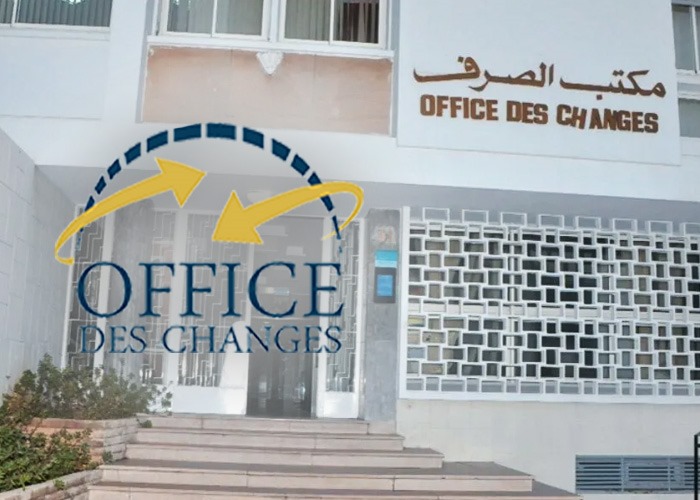

Morocco’s Exchange Office has significantly bolstered its anti-money laundering and counter-terrorist financing (AML/CFT) framework, introducing stringent new vigilance and internal monitoring obligations for offshore holding companies operating within the kingdom’s offshore financial center. The directive, signed by Economy and Finance Minister Nadia Fettah on July 23 and effective immediately, underscores Morocco’s commitment to aligning with international best practices in financial crime prevention.
The new rules, enacted under the law on combating money laundering and the law governing offshore financial centers, represent a proactive, risk-based approach by the Exchange Office. This supervisory strategy considers the unique size, activity, and risk profile of each offshore holding company. Key requirements mandate that companies rigorously identify and understand their clients and beneficial owners, meticulously verify the origin and destination of all funds, and maintain up-to-date client records. Furthermore, transaction monitoring must be conducted in accordance with identified risk levels.
A critical component of the enhanced vigilance system involves screening clients and transactions against both international sanctions lists and those maintained by Morocco’s national commission responsible for implementing UN Security Council sanctions. To ensure robust oversight, each offshore holding company is now required to designate a dedicated compliance officer. This individual will be tasked with managing the vigilance system, scrutinising unusual or complex transactions, overseeing higher-risk client relationships, and serving as the primary liaison with the National Financial Intelligence Authority.

The circular also mandates periodic risk assessments, encompassing transaction patterns, client profiles, geographic exposure, and the adoption of new technologies. Stricter due diligence measures are specifically required for politically exposed persons (PEPs) and clients originating from high-risk jurisdictions. Any transaction that raises suspicion of money laundering or terrorist financing must be reported to the National Financial Intelligence Authority without delay. Records pertaining to transactions and vigilance measures must be retained for a period of 10 years. The Exchange Office has also stipulated that breaches of these obligations will result in disciplinary or financial sanctions, while simultaneously providing legal protection for companies and their staff acting in good faith when reporting suspicious activities.