








UEMOA Mandates PI-SPI for Individual Interoperable Transfers, Reshaping Mobile Money Landscape

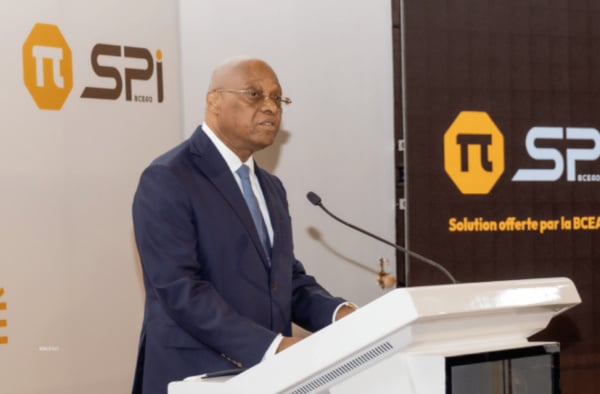

Effective November 2, 2026, the Central Bank of West African States (BCEAO) will mandate the use of its PI-SPI platform for all interoperable electronic money transactions between individuals across the UEMOA region. This significant regulatory shift, announced last week, aims to foster seamless instant transfers between different financial networks, irrespective of the sender and receiver’s chosen operator. PI-SPI, a regional infrastructure championed by the BCEAO, already connects 175 participants, granting access to instant payments for over 38 million individuals.
Initially slated for June 30, 2026, the deadline for banks, electronic money institutions, and payment institutions to integrate with PI-SPI was extended to September 30, 2026, to accommodate final technical integrations. Microfinance institutions have until June 30, 2027, to comply. Since its launch in September 2025, PI-SPI has connected 80 institutions and facilitated approximately one million transactions totalling 110 billion FCFA, with 30 million users onboarded by July.
The implications for mobile money operators are substantial. While national transfers up to 8,000 FCFA will be free, and transfers received will be free without an amount limit, this move is expected to significantly impact revenue streams derived from commissions. This is particularly pertinent in markets like Togo, which boasted 12.55 million electronic money accounts by the end of 2024, with active accounts surging by 76.87% year-on-year. Operators such as Mixx by Yas and Moov Money, dominant players in Togo’s mobile money sector, face a potential reduction in commission-based earnings. This comes at a time when banks are intensifying their digital offerings, including mobile-based account management and payment solutions, thereby increasing market competition.

Industry observers anticipate a strategic pivot by operators towards value-added services beyond basic transfer fees. Potential new avenues include merchant payments via interoperable QR codes, expanded financial services, tailored business offers, and facilitating larger transaction volumes. The BCEAO’s initiative is designed to dismantle the rent-seeking behaviour associated with closed network systems, compelling operators to leverage the PI-SPI infrastructure for innovative customer engagement. The next phase of this regulatory evolution will extend to cross-border transactions, with similar pricing conditions for inter-UEMOA transfers set to take effect from June 1, 2027.