







Namibia Overhauls Customs Guarantees: Reduced Capital Requirements to Boost Trade and Investment

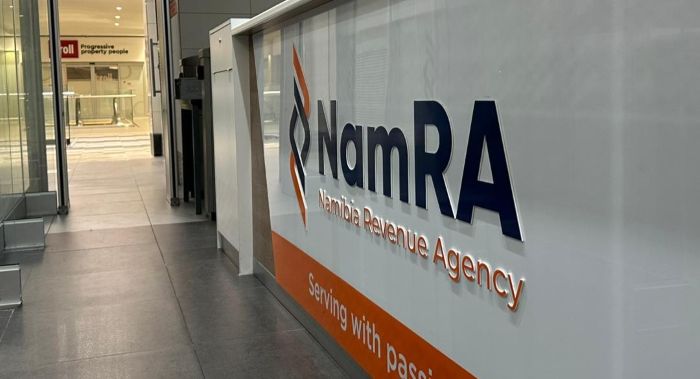

Namibia is poised to significantly ease financial burdens on businesses engaged in international trade with the introduction of a new risk-based customs guarantee framework, effective November 1, 2026. The Namibia Revenue Agency (NamRA) announced the reform, which aims to reduce the capital businesses must set aside as security for customs duties and taxes, thereby unlocking liquidity and fostering growth in key economic sectors.
Under the current system, some trade operators are required to provide guarantees equivalent to 100% of their potential customs liabilities. The forthcoming framework, however, will adopt a differentiated approach, aligning guarantee requirements with the specific risk profile of customs activities and individual operators. This strategic shift moves away from a uniform standard towards a more nuanced system that reflects actual customs exposure.
The revised framework introduces tiered guarantee percentages. Authorised Economic Operators (AEOs) will benefit from the lowest requirement, set at 10% of their customs exposure. Businesses in the extractive minerals sector and related activities will face a 30% guarantee. Standard bonded operations will require 50%, while those handling higher-risk categories, such as luxury and excise goods, will be subject to a 75% guarantee. Deferment facilities will remain at the existing 100% requirement.
NamRA will also implement fixed guarantee amounts for specific categories of customs operators to enhance predictability. Dry ports and container depots will have a fixed guarantee of N$300,000, transit shed operators and cargo handlers N$200,000, and clearing agents N$20,000. These fixed amounts are designed to provide greater certainty, moving away from calculations solely based on percentage of customs exposure.

This reform is expected to have substantial implications for lawyers, compliance officers, and corporate executives. By reducing the amount of working capital tied up in customs security, businesses in logistics, warehousing, distribution, and transport will experience improved access to capital for daily operations and expansion. The move is also intended to lower barriers to entry for logistics operators, supporting Namibia’s ambition to strengthen its role as a regional trade gateway.
Crucially, NamRA has emphasised that the reduction in guarantee requirements does not diminish underlying customs liabilities. The principle of “reduced guarantee is not reduced accountability” will be upheld, with operators continuing to be monitored to prevent exceeding their assigned exposure limits. The new framework applies to new applications from November 1, 2026, with existing operators granted a transition period until January 31, 2027, to align their guarantees. During this period, businesses must reconcile outstanding duties and taxes, adjusting guarantees or settling excess liabilities as required.