








Nigeria Charts Ambitious 277GW Power Future by 2060, Targeting $10bn Annual Investment Amidst Regulatory Reforms


Nigeria is embarking on a transformative energy journey, setting a bold target of achieving 277 gigawatts (GW) of electricity generation capacity by 2060. This ambitious plan, unveiled by the Federal Government, aims to significantly curtail reliance on costly generators, catalyse industrial expansion, and meet net-zero emission goals.
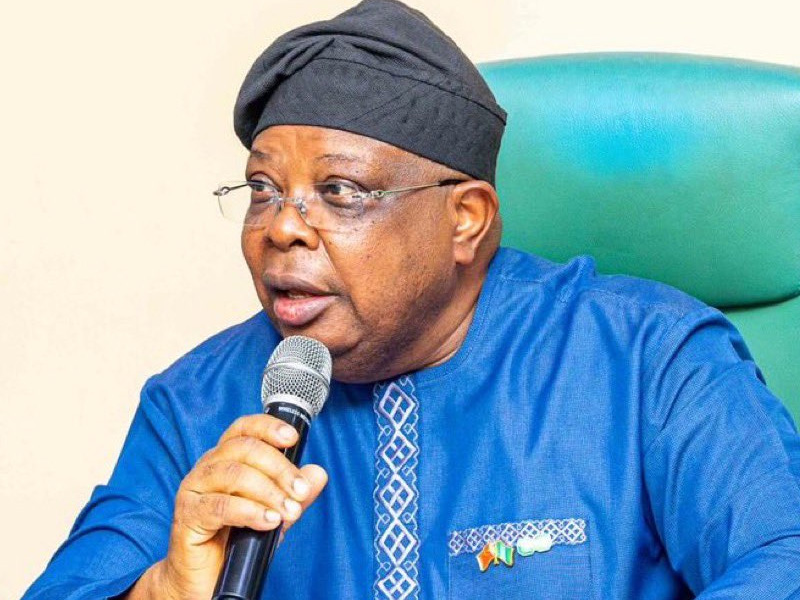
The strategic roadmap was detailed by the Minister of Power, Joseph Tegbe, at the Lagos Chamber of Commerce and Industry (LCCI) Renewable Energy Outlook Conference 2026. The strategy hinges on a multi-pronged approach, integrating renewable energy sources, natural gas, and a substantial increase in private sector capital to fundamentally reshape the nation’s power landscape. “Nigeria plans to increase its installed electricity capacity to 277 gigawatts by 2060,” the Minister stated, underscoring the plan’s dual objectives of fostering industrial growth and alleviating energy poverty while pursuing environmental sustainability.
Minister Tegbe highlighted the persistent challenge of under-delivery, noting that despite an installed capacity exceeding 13,000 megawatts (MW), less than half is reliably supplied to consumers. This deficit compels businesses and households to bear the burden of expensive self-generation. However, the Electricity Act 2023 is already initiating a paradigm shift, empowering states to independently regulate their electricity markets. This legislative reform has seen approximately 20 states enact their own electricity laws, with a further 12 actively progressing the transfer of regulatory oversight from the Nigerian Electricity Regulatory Commission (NERC).
Further bolstering the sector’s infrastructure, the government has made significant strides in expanding transmission capabilities. This includes the installation of new transformers and the successful completion of projects designed to enhance grid capacity. A critical component of this modernisation effort is a $1.16 billion grid digitalisation programme, which is reportedly nearing completion.

The economic benefits of this energy transition are projected to be substantial, with an estimated $121 billion in fuel costs potentially saved. However, realising these objectives will necessitate a significant financial commitment, requiring an additional $10 billion in annual investment. This presents a clear call to action for investors, legal professionals advising on energy projects, and corporate executives seeking to navigate and capitalise on Nigeria’s evolving energy market. Compliance officers will also find critical implications in the evolving regulatory landscape, particularly concerning state-level electricity laws and the ongoing decentralisation of regulatory authority.