









Mastercard Forges Pan-African Cybersecurity Hub to Fortify Digital Economy Amidst Rising Threats

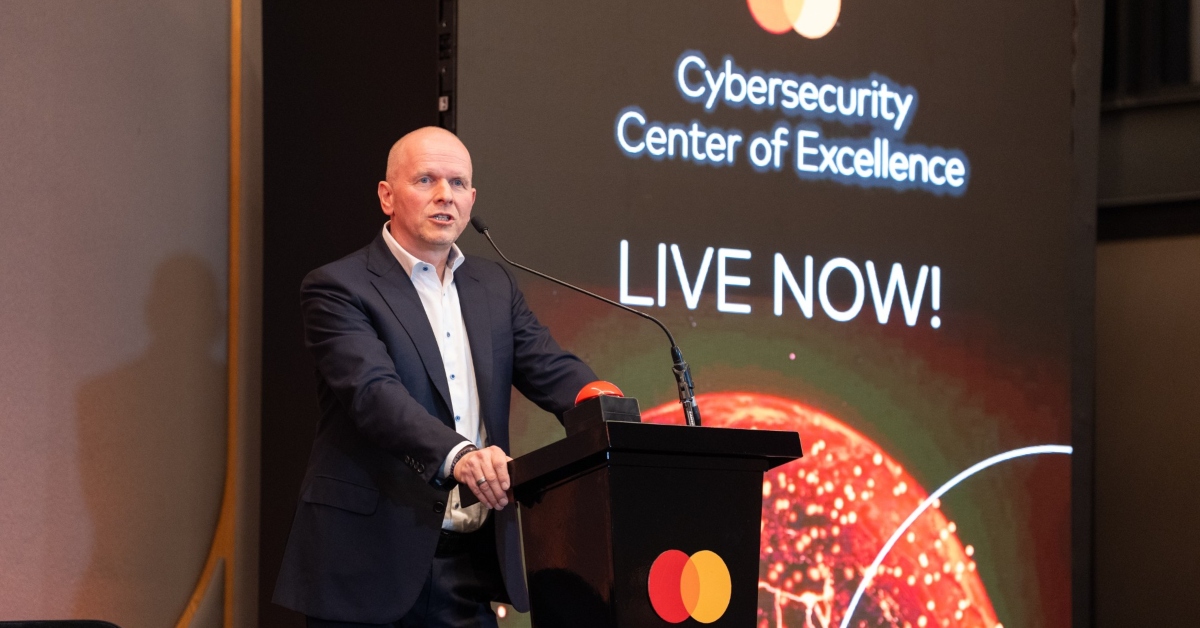

Mastercard has launched a significant pan-African initiative, the Africa Cybersecurity Center of Excellence, aimed at bolstering the continent’s collective cyber resilience and safeguarding its rapidly expanding digital economy. This strategic move, announced during a visit to South Africa and Nigeria by Mastercard CEO Michael Miebach, underscores the company’s deep-seated commitment to Africa’s digital transformation and its dedication to fostering trust within the digital ecosystem.
The establishment of the Center of Excellence follows through on commitments previously made to the Nigerian Government in Abuja and the South African Government during last year’s G20 meetings in Johannesburg. It seeks to enhance collaboration between public and private sector entities, enabling them to share critical intelligence, build robust readiness, and improve response mechanisms against increasingly sophisticated cyber threats.
His Excellency Cyril Ramaphosa, President of South Africa, welcomed the initiative, stating, “We recognize that for digitization to be inclusive, it must be trusted and secure. Mastercard has long been a trusted partner to South Africa, and its Cybersecurity Centre of Excellence is a welcome step to build on that foundation, drawing on the country’s best and brightest to meet a challenge no government or company can solve alone.” Similarly, His Excellency Bola Ahmed Tinubu, GCFR, President of Nigeria, commented, “As Nigeria deepens its digital transformation, secure and trusted systems will be critical to inclusion and growth. We welcome collaborations that strengthen our digital economy and build resilience for the future.”
As digital adoption accelerates across Africa, cybersecurity has emerged as a paramount strategic imperative for sustained economic growth. Recognizing that no single entity can effectively combat the current landscape of cyber threats, the Africa Cybersecurity Center of Excellence is designed to foster a strengthened collective defense. It will convene financial institutions, public sector organizations, and businesses to facilitate intelligence sharing, enhance preparedness, enable earlier threat anticipation, and build enduring resilience.
Michael Miebach, CEO of Mastercard, articulated the vision, stating, “Africa is dynamic, fast-growing, and ready to scale its digital future. That won’t happen without trust. People don’t use what they don’t trust. That makes cybersecurity foundational to driving economic resilience and growth across the continent. By doing more to connect public and private sector efforts and share best practices, we can strengthen collective defense and secure a more confident and inclusive digital economy.”
With Africa’s digital economy projected to reach $1.5 trillion by 2030, the urgency for enhanced collaboration in cybersecurity is undeniable. Cybercrime across the continent is escalating, leading to substantial economic losses annually, with an estimated mere 35% of incidents being officially reported. This underreporting stems from gaps in cyber maturity, limited detection capabilities, and concerns over reputational damage, collectively fragmenting the understanding of the threat landscape and weakening coordinated regional response efforts. South Africa is identified as the continent’s most targeted market, experiencing approximately 29% of ransomware attacks and 40% of phishing incidents, while Nigeria is among the most affected by ransomware and dark-web threat activity.

This multi-year initiative, spearheaded by Mastercard, will commence a phased rollout in 2026, beginning with South Africa and Nigeria. The collective model aims to bolster cyber resilience and preparedness, thereby enabling more secure digital growth across Africa. The Center will function as a pan-African hub, leveraging connected digital platforms and capabilities to provide participating organizations with enhanced visibility into emerging threats. This includes a first-year ecosystem cyber risk analysis for up to 50 organizations and access to an Africa-focused threat intelligence feed developed by Recorded Future, a Mastercard company. Through secure information sharing, joint exercises, and coordinated responses among CISOs, business leaders, and security practitioners, the Center will cultivate a more interconnected and resilient cybersecurity ecosystem.
The Center of Excellence is structured around three core pillars designed for evolution as market needs develop: Threat Intelligence & Strategic Insights, Collaboration & Knowledge Sharing, and Readiness & Resilience. The first pillar will furnish participating organizations with Africa-specific threat intelligence and shared risk assessments. The second will foster collaboration among cybersecurity leaders to advance collective response capabilities and best practices. The third pillar will focus on helping organizations anticipate threats through ongoing risk monitoring, resilience assessments, and scenario-based exercises to strengthen response and recovery capabilities.
This launch marks a pivotal moment in Mastercard’s broader mission to cultivate trust in the digital economy. The company has demonstrated its commitment through substantial investments, including over $12.6 billion in cybersecurity innovation since 2018 and support for more than 20 cybersecurity-focused startups. This evolution positions Mastercard not merely as a payments network but as a vital technology and cyber intelligence partner, dedicated to strengthening cyber resilience across Africa and facilitating secure, inclusive, and sustainable digital growth. By collaborating with governments, financial institutions, and businesses of all sizes, including SMEs, Mastercard aims to fortify the digital foundations essential for inclusive growth and to support the development of a more secure and resilient digital future across the continent.