









France Imposes Eco-Levy on Fast Fashion, Targeting Shein and Temu with Escalating Fees

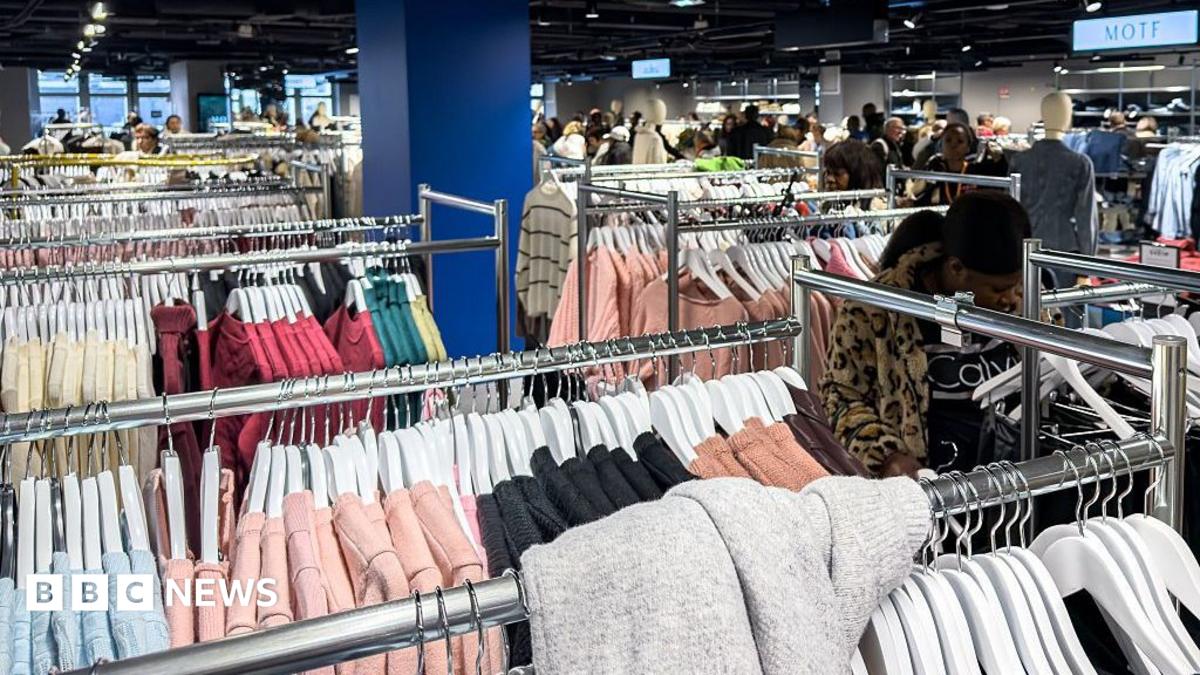

France has initiated a significant regulatory move against the fast fashion industry, introducing a new eco-levy on garments that could escalate to nearly €20 per item by 2030. This measure, designed to curb the proliferation of cheap clothing sold by e-commerce platforms, came into effect on Tuesday following the passage of a law in June aimed at regulating “ultra-fast fashion” companies.
The legislation specifically targets large online retailers such as Shein, Temu, and AliExpress, which have been criticised by French officials for contributing to a surge in ultra-fast fashion consumption. China’s Ministry of Commerce has already voiced strong opposition, labelling the French law as discriminatory and a trade barrier that may contravene World Trade Organization (WTO) principles. French Minister Mathieu Lefevre underscored the “harmful effects of ultra-fast fashion” on both the environment and the economy, noting these impacts are “well known.”
The eco-levy’s structure is designed to penalise companies based on two key factors: the sheer volume of clothing placed on the market and the relative cost of garment repair compared to the purchase price. The per-item fee will be determined by a sliding scale, reflecting each product’s score against these standards. For the current year, charges range from €0.50 for underwear to €2 for T-shirts, €9 for jeans, and €12 for jackets. This fee is projected to reach up to €19.50 per item by 2030, with a cap set at 50% of the product’s pre-tax price. Notably, the levy will not apply to established European retailers like H&M or Zara, a distinction that has drawn commentary regarding potential favouritism.

This regulatory action comes at a time when Shein, a prominent fast fashion retailer founded in China and now headquartered in Singapore, recently achieved a valuation of $26.2 billion on its initial public trading day in Hong Kong. The company, which has previously faced scrutiny over its supply chain ethics and trade tensions, has argued that such legislation would negatively impact French consumers’ purchasing power amidst a cost-of-living crisis. Temu, another Chinese-owned e-commerce entity, has also faced criticism in the UK and US. A spokesperson for Temu has acknowledged environmental concerns but contends that as a marketplace, it does not operate as a fast fashion company, as it does not manufacture its own products.