





European Development Finance Institutions Commit Over €500 Million to Nigeria, Signalling Enhanced Investment Confidence Amidst Reforms

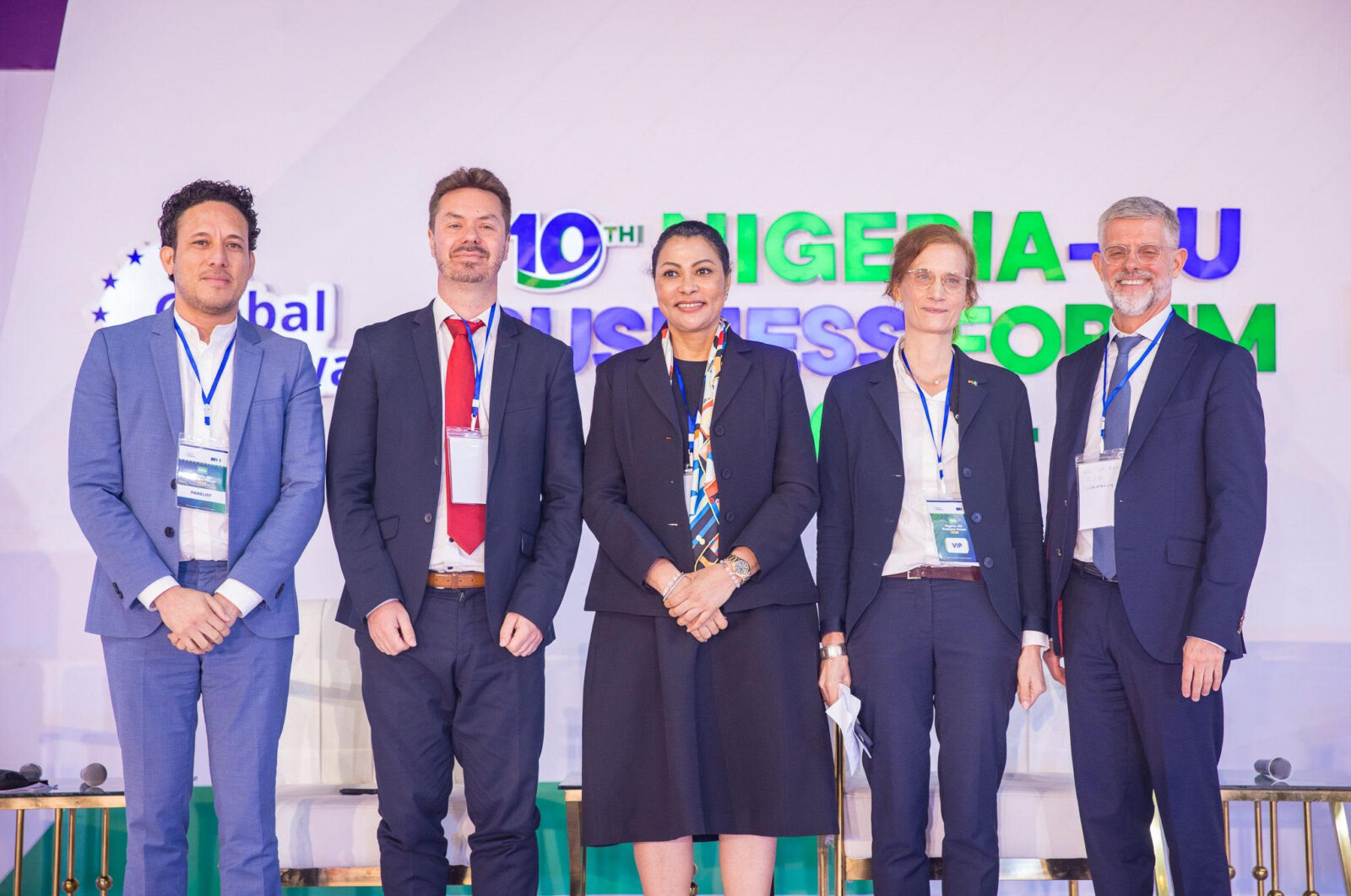

European development finance institutions have underscored their robust confidence in Nigeria’s economic reform trajectory by announcing a significant expansion of investments, exceeding €500 million across key sectors. This substantial commitment, made during the 10th Nigeria-European Union (EU) Business Forum in Lagos, signals an expectation of further financing inflows in the coming months, reflecting a strengthened investor outlook driven by the nation’s reform agenda.
During a dedicated financing session at the forum, Mr. Loic Le Ruyet, Senior Investment Officer (Corporate Division) at the European Investment Bank (EIB), revealed that the bank has committed over €500 million in financing for Nigeria within the past year. This funding encompasses both public and private sector operations, supporting critical areas such as sustainable transport, healthcare manufacturing, agriculture, renewable energy, digital infrastructure, and small and medium-sized enterprises (SMEs). “Last year, we signed over €500 million of financing in the country, in the public sector and in the financial sector mostly. There is more coming this year,” Le Ruyet stated, highlighting ongoing support for projects including Lagos waterways transportation, financing for the Development Bank of Nigeria (DBN) to bolster lending to priority sectors, investments in healthcare manufacturing via the Bank of Industry (BoI), and facilities designed to strengthen cocoa and dairy value chains.
Minister of State for Budget and Economic Planning, Dr. Doris Uzoka-Anite, attributed this burgeoning investment pipeline directly to the Federal Government’s proactive economic reforms. She emphasised that measures such as the removal of fuel subsidies, foreign exchange unification, tax reforms, and enhancements in public financial management have collectively established a solid foundation for sustained economic growth. According to the Minister, these latest financing initiatives are strategically aligned with the Renewed Hope National Development Plan (2026–2030), aiming to accelerate Nigeria’s long-term economic transformation. “The facilities being announced today take on their strategic significance. They are not isolated initiatives. These are integral to the Renewed Hope National Development Plan 2026 to 2030,” she remarked, underscoring the investments’ role in strengthening digital transformation, healthcare value chains, infrastructure development, and access to finance for businesses. Dr. Uzoka-Anite further characterised these funding streams as strategic investments poised to enhance productivity, competitiveness, and economic resilience, stating, “They speak to the confidence that the European Union has in this government’s reforms, the credibility of our economic agenda and the capabilities of Nigerian businesses.”
The forum also marked the launch of a €20 million Nigeria country window, a joint initiative by FMO, the Dutch entrepreneurial development bank, and the European Development Finance Institutions Management Company (EDFI MC), operating under the European Union’s AgriFI and ElectriFI blended finance programmes. Edilberto Jose Baquero of FMO explained that the integration of agriculture and energy financing directly addresses Nigeria’s most pressing development priorities, acknowledging agriculture’s economic significance while noting that reliable energy access remains a constraint, particularly in rural areas. “Bringing together these two facilities creates an opportunity to support more integrated and sustainable investment that aligns with the needs and priorities of Nigeria,” Baquero commented. William Barrault of EDFI MC added that the programme is designed to provide direct financing to SMEs in agribusiness and rural electrification, while simultaneously mobilising additional capital from other European development finance institutions. “We want to be catalytic. This is the entire ecosystem we try to develop,” Barrault stated.
These new commitments serve as a testament to the deepening Nigeria-EU economic partnership. Both parties are increasingly prioritising investment-led growth, leveraging public finance, blended finance mechanisms, and strategic collaborations to attract private capital into sectors vital for Nigeria’s sustained development. This trend offers significant opportunities for legal advisors, compliance officers, and corporate strategists to navigate evolving regulatory landscapes and facilitate cross-border investment flows.