







Daylong Group’s Vertical Integration: A Blueprint for Nigeria’s Traceable Agri-Food Supply Chain

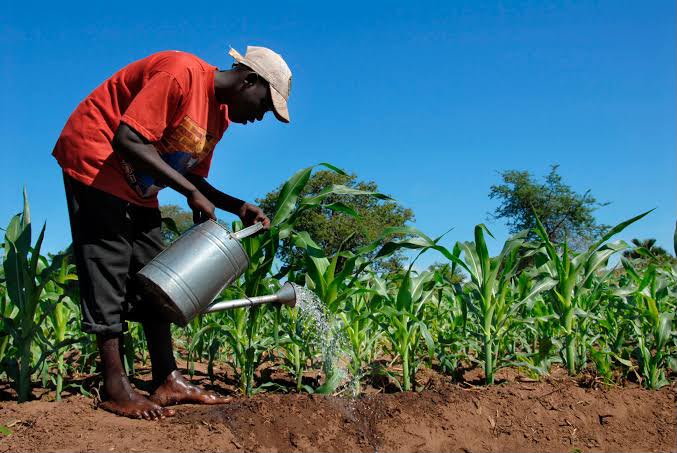

Nigeria, despite possessing over 3 million hectares suitable for oil palm cultivation, continues to import approximately $500 to $600 million worth of palm oil annually. This paradox stems not from a lack of cultivable land, climate, or a robust smallholder base, but from a critical deficit in processing infrastructure. The absence of this vital layer has historically prevented raw agricultural output from being transformed into market-ready products, leading to a persistent drain on foreign exchange.
The challenge lies not with the farms, which account for over 80% of Nigeria’s palm oil production, but with the post-harvest stages: processing, certification, quality management, and documentation. The essential infrastructure to render agricultural output trustworthy for institutional buyers, export markets, or modern retailers has been largely absent, a gap that has incurred significant annual foreign exchange costs.
Daylong Group, established in 2022 and headquartered in Lagos, is emerging as a key player addressing this systemic fragmentation. Their approach to the age-old problem of food supply chain disarray mirrors that of a technology firm: full-stack ownership, comprehensive instrumentation across all layers, and a commitment to verifiable output. This strategic integration is positioning Daylong to capture significant market opportunities.
Operating across three states, Daylong has established a comprehensive operational footprint. Edo State houses its palm oil plantation and refinery, while Kaduna State is dedicated to spice cleaning, grading, and industrial dehydration at the source. Lagos serves as the central hub for packaging and distribution. This integrated model supports six distinct business platforms: refined palm oil, spices and heat ingredients, proprietary flavour blends, industrial ingredient supply for B2B manufacturers, a consumer-facing FMCG brand named Daylong Foods, and an export division targeting the African Continental Free Trade Area (AfCFTA) and diaspora markets.
The market potential for Daylong’s operations is substantial. The Nigerian palm oil market was valued at $545 million in 2024 and is projected to reach $785 million by 2033, with a compound annual growth rate of 4.19%. Nigeria’s annual palm oil production of 1.4 million tonnes falls short of its 2.5 million tonne consumption, creating a domestic supply gap that necessitates costly imports. For a vertically integrated producer offering certified products and robust quality systems, this deficit represents a significant commercial opportunity.
Similarly, the spice sector presents a compelling market. Nigeria ranks as the world’s second-largest ginger producer, contributing 16% to global output, yet it garners less than 3% of the associated export revenues. The nation’s annual spice export potential is estimated at $2 billion, a figure largely unrealised due to inadequate processing and packaging infrastructure. Daylong’s Kaduna facility directly addresses this by investing in origin-based spice processing.
While all Daylong products carry NAFDAC certification, the company views this as a foundational requirement rather than a competitive differentiator. Their strategic focus is on achieving batch-level traceability, enabling buyers to trace specific shipments back to their origin field, processing date, and transit through all facilities. This level of supply chain visibility is increasingly becoming a prerequisite for institutional buyers, including food manufacturers, export distributors, and major retailers, a capability largely unmet by the current Nigerian market.

The broader market dynamics further bolster Daylong’s strategic positioning. Nigeria’s burgeoning urban population of approximately 213 million, coupled with a growing consumer consciousness regarding product origin and quality, fuels demand for traceable food products. The robust performance of the top ten listed FMCG companies in Nigeria, which reported a combined revenue of N3.71 trillion in the first half of 2025, underscores the significant domestic food demand and the pricing power available within the sector. For B2B ingredient suppliers with certified, traceable products, this growth directly translates into market opportunities.
On the export front, improvements in intra-African trade infrastructure are creating new avenues for mid-market operators. The launch of the East and Southern Africa Air Cargo Corridor in May 2025, followed by its expansion in May 2026 to include RwandAir services to Kigali, Lusaka, and Harare, has drastically reduced cargo rates to below $2 per kilogram. This contrasts sharply with the previous rates of $3 to $10 per kilogram, which rendered regional exports commercially unviable for many. Consequently, Nigeria’s non-oil exports to non-ECOWAS African countries saw a notable increase from $150 million in 2024 to $207 million in 2025, with agro-processed goods being a primary beneficiary.
Complementing these trade developments, the Nigerian government has set a palm oil self-sufficiency target for 2050, reduced import tariffs to encourage domestic processing investment, and initiated a national traceability framework for the sector. For a company like Daylong, which has invested four years in developing certified, documented, and export-ready products, this confluence of growing domestic demand, enhanced trade infrastructure, and supportive government policy presents an opportune environment for early-stage investment. Daylong’s model poses a critical question: what is the outcome when rigorous operational discipline and verifiable technology are applied to an agricultural value chain historically lacking both? The substantial Nigerian food import bill and the underlying market data suggest that the answer is of significant commercial and strategic importance.