







Nigeria’s Power Sector Reform: FG, NASS Champion Unified Regulation Amidst Decentralisation Push


The Nigerian federal government and the National Assembly are reinforcing their commitment to a unified electricity market, signalling a strategic move towards seamless collaboration between federal and state regulatory bodies as the nation navigates the decentralisation of its electricity supply industry. This concerted effort aims to ensure that despite the devolution of governance, the fundamental interconnectedness of the national power grid and market remains intact and efficiently managed.
This renewed focus on regulatory harmonisation was a central theme at a recent workshop in Abuja, themed “Legal, Policy and Regulatory Harmonisation Between Federal and State Institutions on the Decentralisation of the Nigerian Electricity Supply Industry (NESI).” Participants underscored the critical role of effective coordination among all regulatory entities in sustaining a cohesive and functional electricity market.
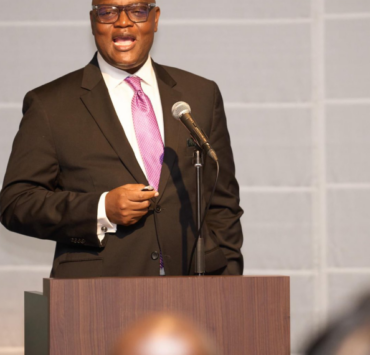
Mr. Rilwan Lanre Babalola, Special Adviser to the President on Power and Chairman of the Presidential Task Force on Power Sector Reset and Restoration, articulated the administration’s vision. He emphasised that electricity is the bedrock of industrialisation, economic competitiveness, job creation, and national prosperity. Babalola urged stakeholders to view the ongoing reforms not as a competition for regulatory authority, but as a collaborative endeavour to build a singular, robust Nigerian electricity market. He noted that while the Electricity Act decentralises governance aspects, the physical realities of interconnected networks and interdependent markets necessitate unified oversight. “Our responsibility is to ensure that these questions are resolved through dialogue, cooperation and mutual respect,” he stated, highlighting that harmonisation is “fundamental to preserving one efficient Nigerian electricity market.”
Echoing this sentiment, Senator Enyinnaya Abaribe, Chairman of the Senate Committee on Power, affirmed the legislature’s dedication to establishing legal frameworks that empower federal and state regulators to function complementarily. He stressed that the true measure of decentralisation’s success lies not merely in the number of states establishing markets, but in achieving a “coherent, efficient, bankable and integrated electricity market where federal and State institutions perform complementary rather than competing roles.” This necessitates harmonised rules governing the interactions between the Nigerian Electricity Regulatory Commission (NERC) and State Electricity Regulatory Commissions. The Minister of Power, Chief Joseph Tegbe, and NERC Chairman, Dr. Musiliu Oseni, also lent their voices to the call for regulatory and operational alignment across the Nigerian Electricity Market.

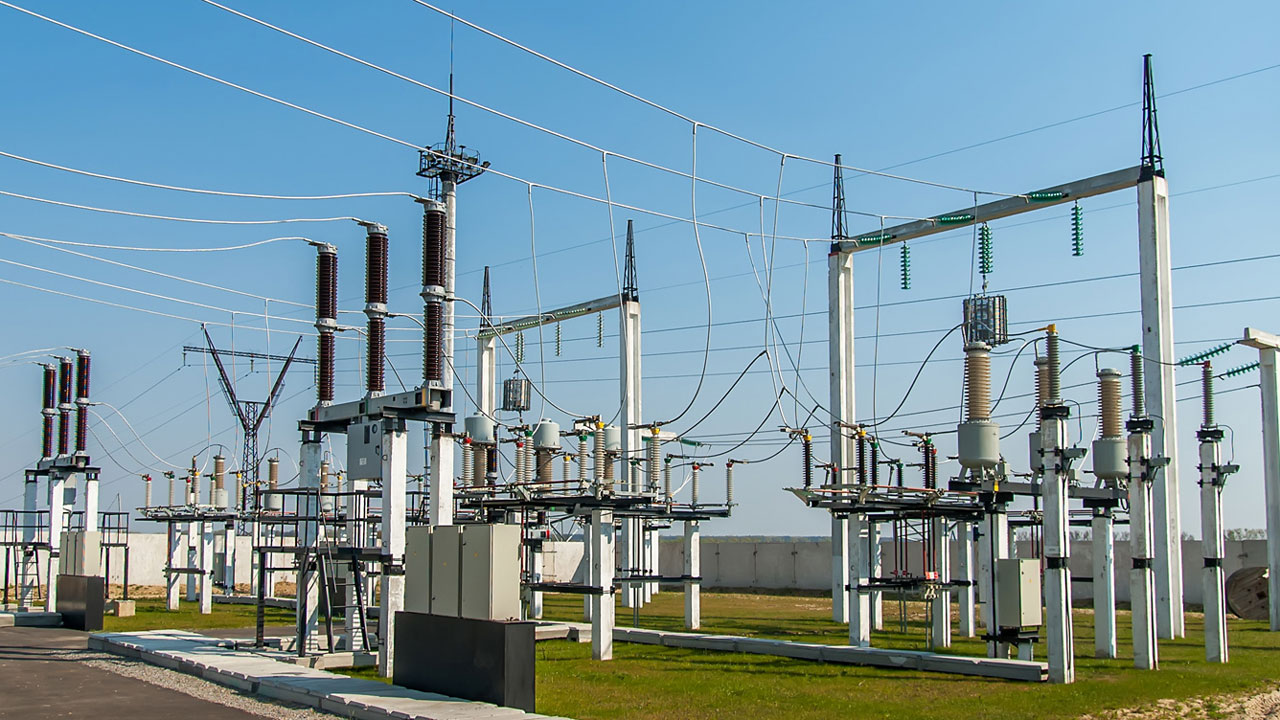
In parallel, NERC has proactively rolled out new operational guidelines. The commission announced the issuance of the Guidelines on the Procedures for Technical Audit of the Transmission System and Network Data Validation 2026, effective July 20, 2026. These guidelines establish a transparent, uniform, and standardised framework for periodic technical audits of Nigeria’s transmission system and the validation of network data. The objective is to bolster the reliability, safety, security, and operational efficiency of the national grid. Under these new rules, the Nigerian Independent System Operator (NISO) is mandated to commission qualified consultants for comprehensive technical audits of the 330kV and 132kV transmission networks at least once every five years. Transmission Service Providers (TSPs) must grant auditors full access to facilities and records, and are required to develop and implement performance improvement plans based on audit findings, submitting annual progress reports to NERC. The guidelines also delineate minimum competency requirements, scope of work, and methodologies for the auditing consultants. NERC urges all stakeholders to familiarise themselves with and adhere to these provisions to foster a more dependable and efficient transmission system.