









Tanzania’s Finance Bill 2026 Unveiled: Sweeping Tax Reforms Target Agriculture, Digital Services, and Revenue Mobilisation

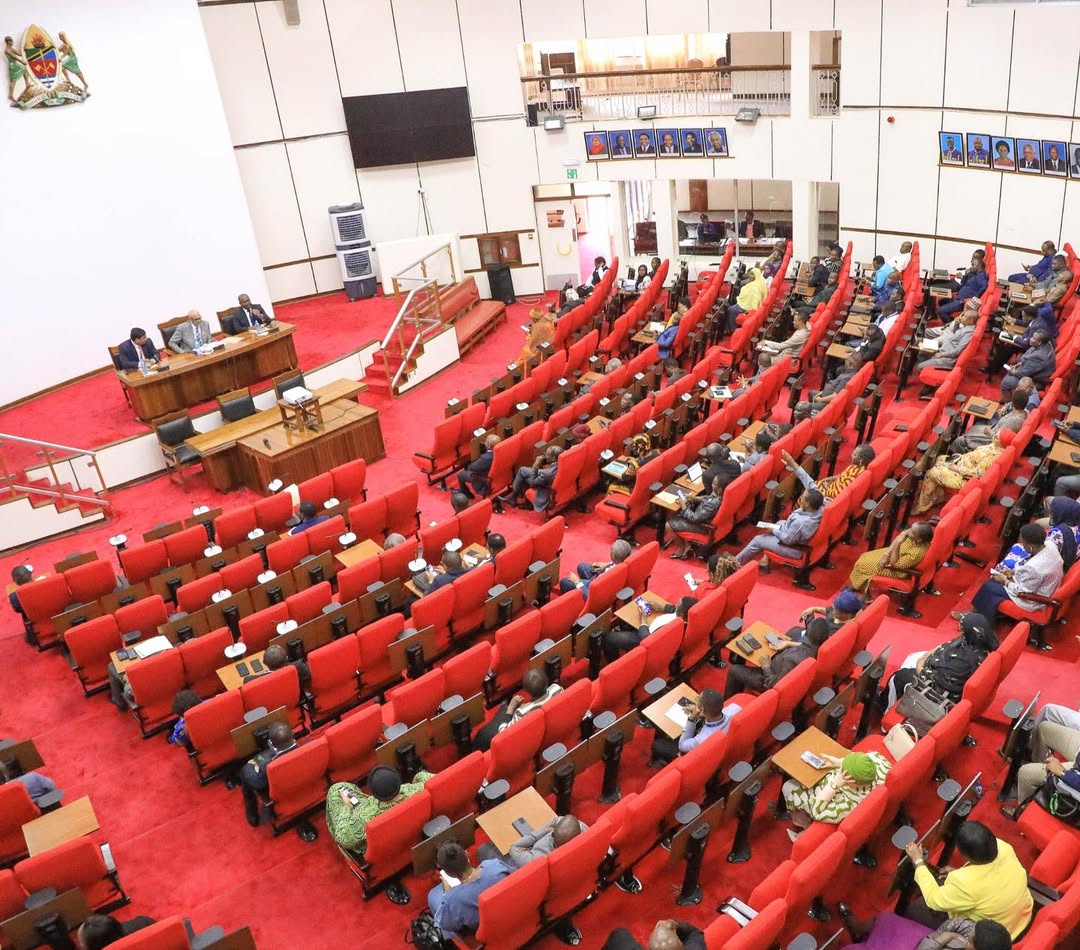

Tanzania’s Parliament is commencing formal scrutiny of the Finance Bill 2026, a legislative package poised to enact significant tax reforms across key economic sectors. The Parliamentary Standing Committee on Budget will host two days of public hearings in Dodoma, beginning Saturday, June 20, 2026, at 10:00 am. This process, mandated by Rule 100(2) of the Standing Rules of Parliament 2025, is designed to solicit input from government, private sector, and civil society stakeholders before the Bill proceeds to further legislative stages.
The proposed reforms, detailed in the Finance Bill 2026, are projected to generate an additional Sh1.72 trillion in revenue and broaden the tax base. Stakeholders unable to attend the hearings are encouraged to submit written contributions through official parliamentary channels. The Bill’s enactment is expected to profoundly influence taxation policy, compliance frameworks, and overall revenue mobilisation efforts.
A central proposal is the introduction of a one per cent withholding tax on agricultural transactions, encompassing crops, livestock, fish, and unprocessed dairy products. Corporate buyers will be responsible for deducting this tax at source, with producers permitted to offset it against their annual tax liabilities. While the government asserts this measure aims to formalise the agricultural sector, concerns have been raised by some stakeholders regarding potential cost pressures on small-scale producers.
The gaming industry is also subject to new taxation, with a five per cent excise duty to be levied on gambling activities, including sports betting, casinos, slot machines, and online platforms. This move reflects an effort to capture revenue from the rapidly expanding gaming sector.
In the transport sector, significant increases in excise duties on imported used vehicles are planned. Vehicles aged between eight and ten years will face a 20 per cent duty, those between ten and twenty years will be taxed at 40 per cent, and vehicles older than twenty years will incur a 50 per cent duty. The government states this policy aims to mitigate environmental pollution and discourage the importation of older vehicles.
Furthermore, a broader revision of excise duties will see an eight percent rate increase across 23 tariff lines. This will affect products such as confectionery, beverages, cement, lubricants, and selected beauty products, with duties rising from 10 percent to 15 percent.

The digital economy will see expanded tax regulation, requiring non-resident online service providers to register locally, file returns, and remit taxes on services supplied to Tanzanian consumers, irrespective of their physical presence in the country. Additionally, the Minister for Finance will gain the authority to mandate electronic payments for specific transactions. Proof of electronic payment will become compulsory for transactions involving land, buildings, and motor vehicles, reinforcing tax compliance and reducing reliance on cash.
Amendments to income tax include a reduction in the deemed retained earnings threshold from 30 per cent to 15 per cent. The presumptive tax turnover ceiling will be raised from Sh100 million to Sh200 million, with tax rates within this bracket increasing from 3.5 per cent to 4.5 per cent. New entrants to this presumptive tax bracket will be eligible for a one-year tax holiday.
The public hearings are anticipated to shape the subsequent parliamentary debates as the Finance Bill 2026 progresses through its legislative stages, with a planned implementation date of July 1, 2026.