









Tanzania’s Clean Cooking Strategy Unlocks $1 Billion LPG Market: A Legal and Investment Imperative

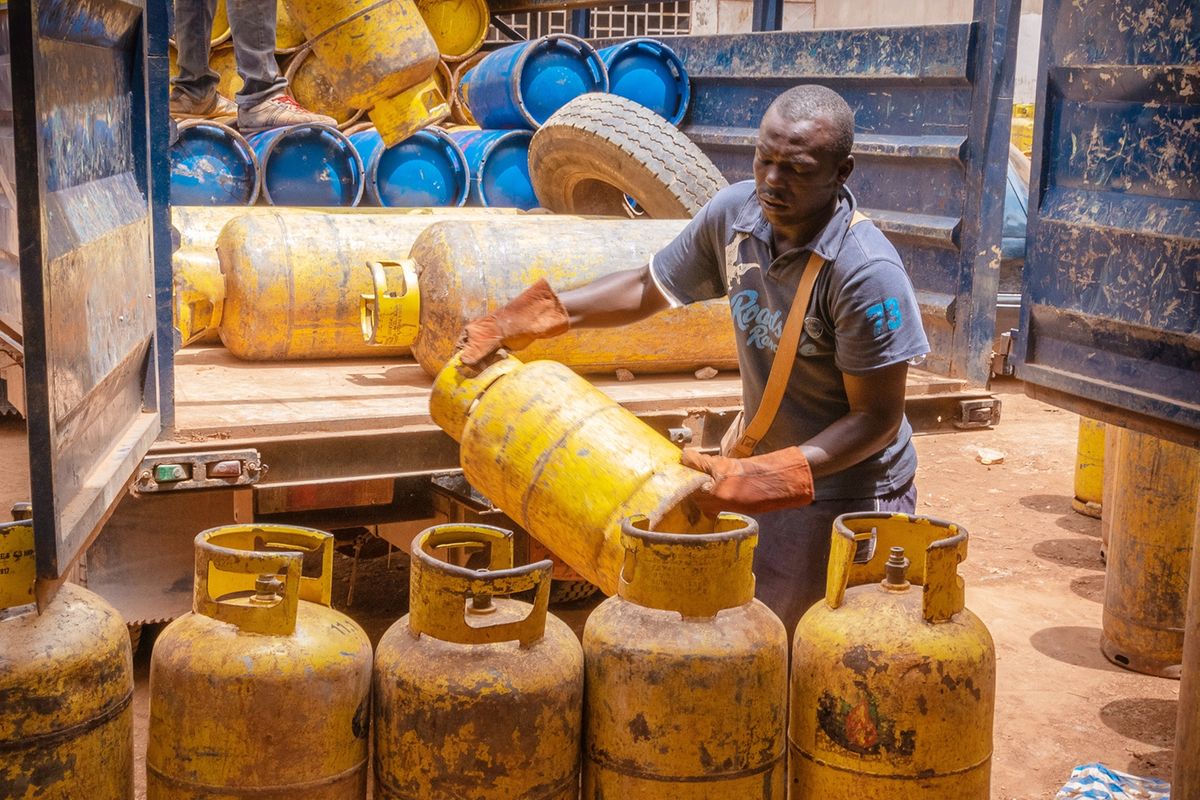

Tanzania is navigating a pivotal energy transition, with its National Clean Cooking Strategy 2024–2034 poised to fundamentally reshape the commercial landscape of the Liquefied Petroleum Gas (LPG) sector. This ambitious policy initiative is not merely an environmental or public health endeavour; it represents a significant market opportunity, estimated at over $1 billion, attracting substantial interest from investors, operators, and non-governmental organisations. The strategy directly addresses the pervasive reliance on firewood and charcoal, which contributes to millions of annual respiratory illnesses, disproportionately affecting women and children.
According to a report by The Citizen Tanzania, the government’s explicit endorsement of LPG as a cornerstone of its clean cooking transition has removed critical policy uncertainty. This clarity is vital for infrastructure-heavy sectors like LPG, which require long-term planning horizons and substantial capital investment. The formal recognition of LPG’s role has rendered investments in import terminals, storage depots, and distribution networks commercially viable. This policy shift is further amplified by Tanzania’s rapid urbanisation and a growing middle-class income base. LPG imports have surged by 38 percent in the past year, from 293,167 to 403,638 tonnes. Despite this growth, per capita consumption remains low at 2.6 kg, significantly below the 10 kg target set for 2033, indicating substantial room for market expansion. This trajectory mirrors a common pattern where government commitment effectively mobilises private capital.
A particularly transformative element of the National Clean Cooking Strategy is its binding mandate for the nationwide adoption of Pay-As-You-Go (PAYG) cooking appliances. This policy moves beyond pilot programmes, establishing a framework where households can acquire LPG refills through daily payments of Sh500–Sh2,000 via mobile money platforms such as M-Pesa and Airtel Money. Smart meters will dispense gas in proportion to these payments, effectively dismantling the primary barrier to LPG adoption: the prohibitive upfront cost of a full cylinder refill, which can range from Sh35,000 to Sh45,000. With over 35 million active mobile money accounts in Tanzania, the necessary payment infrastructure is already in place, positioning LPG as a natural application for this digital ecosystem. This initiative is designed to unlock the Base of Pyramid segment of the market.
Furthermore, institutional demand for LPG is being stimulated by a government directive that prohibits the use of charcoal and firewood in private institutions serving over 300 meals daily. This creates a captive market encompassing schools, hospitals, hotels, food processing facilities, agricultural operations, breweries, mining camps, and safari lodges. The commercial model for these institutions shifts towards bulk liquid LPG, delivered by tanker to on-site storage facilities under long-term contracts with fixed pricing and monthly invoicing. The Rural Energy Agency’s (REA) programme involving 453 government schools and hospitals represents a particularly attractive revenue pipeline for LPG operators, effectively guaranteed by government commitment.
The alignment of clean cooking initiatives with Development Finance Institution (DFI) mandates, which encompass climate resilience, public health, and the UN Sustainable Development Goals (SDGs), is attracting significant green finance. Organisations such as the UNCDF’s CookFund Tanzania, the International Finance Corporation (IFC), the African Development Bank (AfDB), and local financial institutions like CRDB and NMB are actively involved in financing relevant projects in 2026. Moreover, PAYG models that demonstrably reduce biomass consumption are eligible for carbon credits, potentially generating hundreds of thousands of dollars in additional annual revenue for networks serving 50,000 households, at an estimated value of $8–$15 per tonne of CO2 avoided. However, DFIs require rigorous, bankable feasibility studies, including primary demand data and stress-tested financial projections, as weak feasibility work remains a primary impediment to securing project financing.
The regulatory environment is also maturing, with the Energy and Water Utilities Regulatory Authority (Ewura) enhancing standards for safety, licensing, and cylinder certification. While these measures may increase compliance costs, they are crucial for reducing informal competition and fostering consumer trust, conditions that are highly valued by serious investors. These compliance costs should be integrated into feasibility models from the outset.
A novel frontier is emerging within Tanzania’s mining sector, where companies such as Barrick Gold’s Twiga Minerals, Kabanga Nickel, Shanta Gold’s New Luika and Singida sites, and the state-owned Stamico are seeking integrated solutions for their large, remote workforces. The opportunity lies in digitised contracts that encompass PAYG LPG fuel, mobile money-based payroll, attendance tracking, and accommodation management. For Stamico, operating under a “Decent Work” mandate, such a system directly supports financial inclusion objectives. For foreign operators, it offers a pathway to convert opaque, hidden costs into transparent and predictable expenditures.
In conclusion, Tanzania’s National Clean Cooking Strategy is fundamentally altering the investment landscape for LPG. By enhancing demand predictability, mandating digital payment integration, and unlocking institutional finance, the strategy has created a structured clean energy market with a clear decade-long policy runway. From PAYG household distribution and bulk institutional supply to carbon credit opportunities and digitised mining camp services, the potential for strategic investment is substantial. Investors who act decisively, armed with credible feasibility studies and digitally integrated business models, are positioned to secure market positions that will become increasingly difficult to replicate as this window of opportunity evolves.