





South Sudan Unveils Investment Reforms to Revitalise Oil Sector, African Energy Chamber Pledges Support

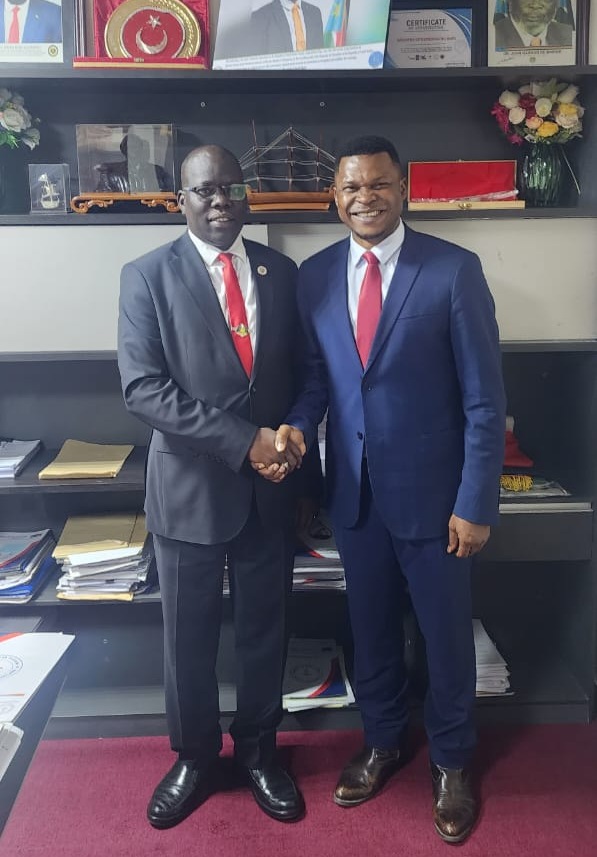

South Sudan is embarking on a strategic initiative to bolster its appeal as a prime destination for foreign investment, with a particular emphasis on revitalising its extensive oil value chain. A recent working visit to Juba by the African Energy Chamber (AEC), the unified voice of Africa’s energy sector, saw high-level engagements with government officials and industry stakeholders. The discussions centred on identifying critical reforms designed to stimulate capital inflows, enhance production levels, and accelerate both upstream and downstream projects.
This concerted effort acknowledges South Sudan’s significant hydrocarbon potential, underscored by proven oil reserves of 3.5 billion barrels. Despite being a long-standing producer and the sole major oil producer in East Africa, the country has faced investment constraints that have hampered its ability to fully leverage these resources. The government’s reform agenda aims to rectify this by strengthening the investment climate, establishing clearer regulatory frameworks, and fostering greater participation from international and regional energy operators.
Current oil production, primarily driven by national entity Nilepet alongside Dar Petroleum Operating Company, Greater Nile Petroleum Company (operated by China National Petroleum Company), and Sudd Petroleum Operating Company, ranges between 70,000 and 100,000 barrels per day. Projections estimate an output of 8.5 to 12.2 million barrels between August and November 2026. The government’s ambition is to significantly increase these figures by attracting investment across the entire oil value chain, thereby facilitating enhanced exports and addressing critical national challenges such as fuel security and power generation. Oil remains the cornerstone of South Sudan’s economy, and these reforms are intended to solidify its position while mitigating the nation’s energy crisis.
The government has articulated a clear commitment to reducing investment barriers, streamlining project execution, and cultivating a more predictable operational environment for energy sector companies. Discussions also encompassed opportunities in natural gas, power generation, and associated infrastructure, recognising the imperative of diversified energy sector investment for sustainable economic development. The AEC has reiterated its dedication to promoting South Sudan’s energy narrative on a global platform, aiming to attract international attention and capital.

A significant focus of the AEC’s visit was the enhancement of local content. Strategies were explored to maximise employment opportunities for South Sudanese nationals, cultivate robust local value chains, and ensure that future energy projects yield broader economic benefits beyond direct production revenues. By increasing the country’s international visibility, the AEC seeks to position South Sudan competitively among emerging African energy markets vying for exploration and infrastructure investment.
NJ Ayuk, Executive Chairman of the AEC, stated, “South Sudan has the resource potential to become one of Africa’s most attractive frontier investment destinations, but attracting capital requires sustained engagement with the global investment community. The Chamber will advocate for South Sudan’s opportunities on the international stage, connecting investors with government and industry leaders, while supporting reforms that create a stable, competitive, and investment-attractive energy sector capable of delivering long-term growth.”