







Nigeria Sets Firm 2028 Deadline for Full Willing Buyer, Seller Gas Market Transition

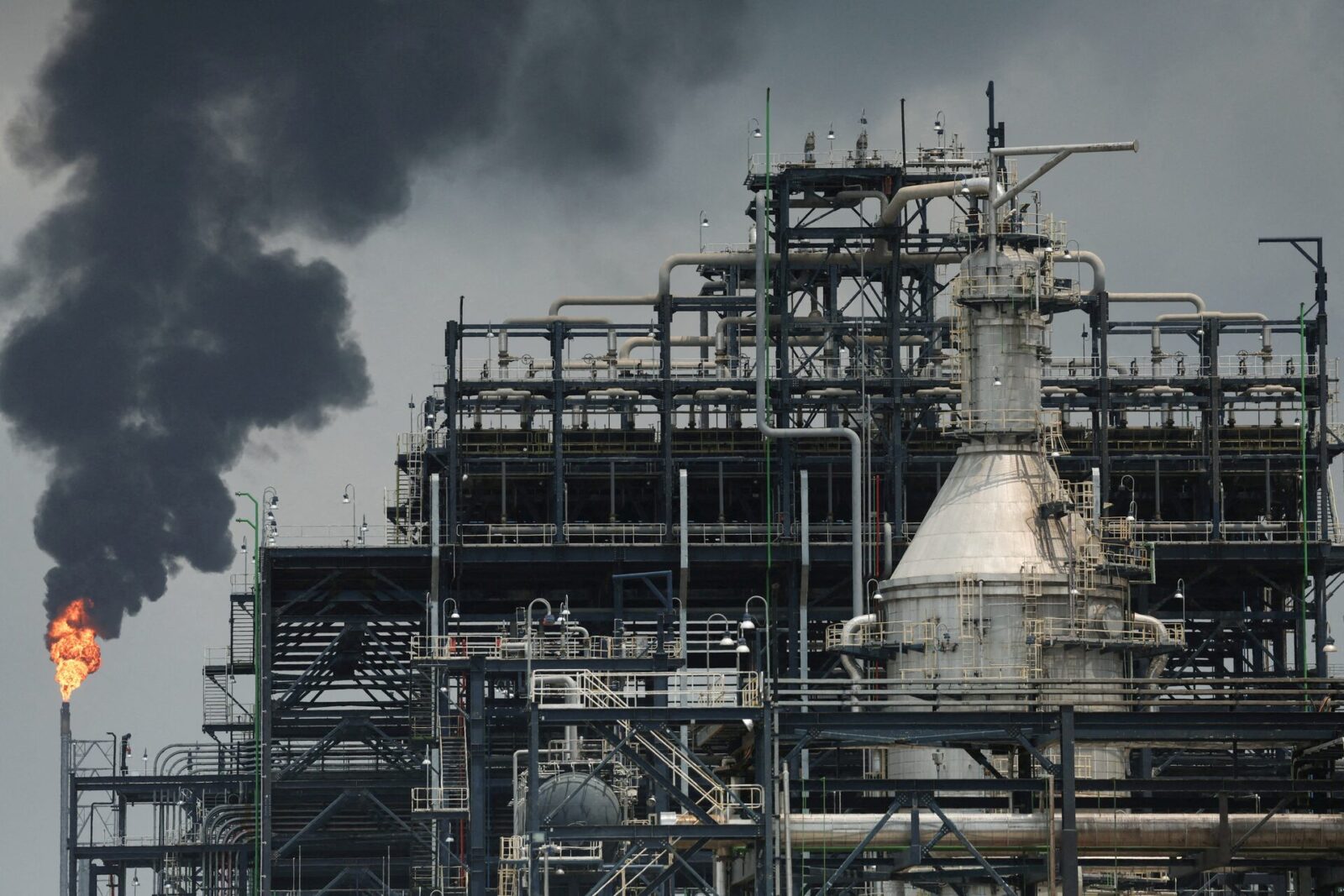

The Nigerian Midstream and Downstream Petroleum Regulatory Authority (NMDPRA) has established a definitive September 2028 deadline to transition the nation’s domestic gas market to a fully commercial, negotiated-pricing system. This strategic move, mandated by the Petroleum Industry Act (PIA) 2021, signals a significant shift from regulated pricing to a market governed by commercial contracts between gas buyers and sellers.
Rabiu Umar, Chief Executive of NMDPRA, articulated that the downstream agency will require the sector to meet a series of measurable benchmarks before price controls are lifted. “Gas must be affordable for Nigerians while supporting President Ahmed Tinubu’s investment reforms,” Umar stated, underscoring the timeline’s alignment with Nigeria’s ambition to become a gas-powered economy by 2030. This marks the first instance the regulator has set a concrete date for this crucial market evolution, a development announced at a Gas Market Maturity Workshop held under the government’s Decade of Gas program.
Umar outlined a critical two-year runway, approximately 24 months, during which the market must demonstrate sufficient maturity to be declared a genuine willing-buyer, willing-seller system. The authority has identified eight key criteria to assess this readiness: supply availability and diversity, the number and quality of market participants (buyers and sellers), access to transport infrastructure, contract strength, payment reliability, adherence to delivery obligations, market transparency, and the presence of credible price signals.
Acknowledging current challenges, Umar conceded that gas supply remains constrained despite Nigeria’s substantial reserves, a factor that could impede the commercial viability of critical pipeline projects like the Ajaokuta-Kaduna-Kano line. “The focus right now is not just delivering the infrastructure, but ensuring that we have enough molecules to fill the pipeline,” he emphasised, highlighting the need for increased domestic supply.

In parallel, NMDPRA is advancing regulatory frameworks to foster competition. Consultations are underway for draft anti-competitive-practices regulations designed to strengthen the PIA’s competition provisions. Furthermore, the agency anticipates approving qualified applicants for gas distribution licenses in the fourth quarter of 2026. NMDPRA also plans to promote the expanded domestic use of liquefied petroleum gas (LPG), liquefied natural gas (LNG), and compressed natural gas (CNG), arguing that increased local consumption will reduce import reliance and mitigate losses associated with long-distance power transmission. Umar stressed that regulatory predictability is paramount for investment, as financiers typically require long-term offtake agreements before committing capital to gas projects.
Industry stakeholders view the 2028 target as achievable. Ed Ubong, coordinating director of the Decade of Gas Secretariat, pointed to ambitious goals of lifting gas supply to 12.6 billion cubic feet per day by 2030, supported by significant infrastructure and demand-side projects. Yetunde Taiwo, president of the Nigerian Gas Association, welcomed the timeline but urged careful sequencing of the transition, emphasizing the need for clear milestones to confirm the achievement of a willing-buyer, willing-seller status. She highlighted the necessity for close coordination between government, regulators, and industry to ensure policy direction, predictable rule enforcement, and continued project delivery.