







Mozambique’s Proposed Mining Law Revision Sparks Investor Apprehension Over State Stake and Export Restrictions

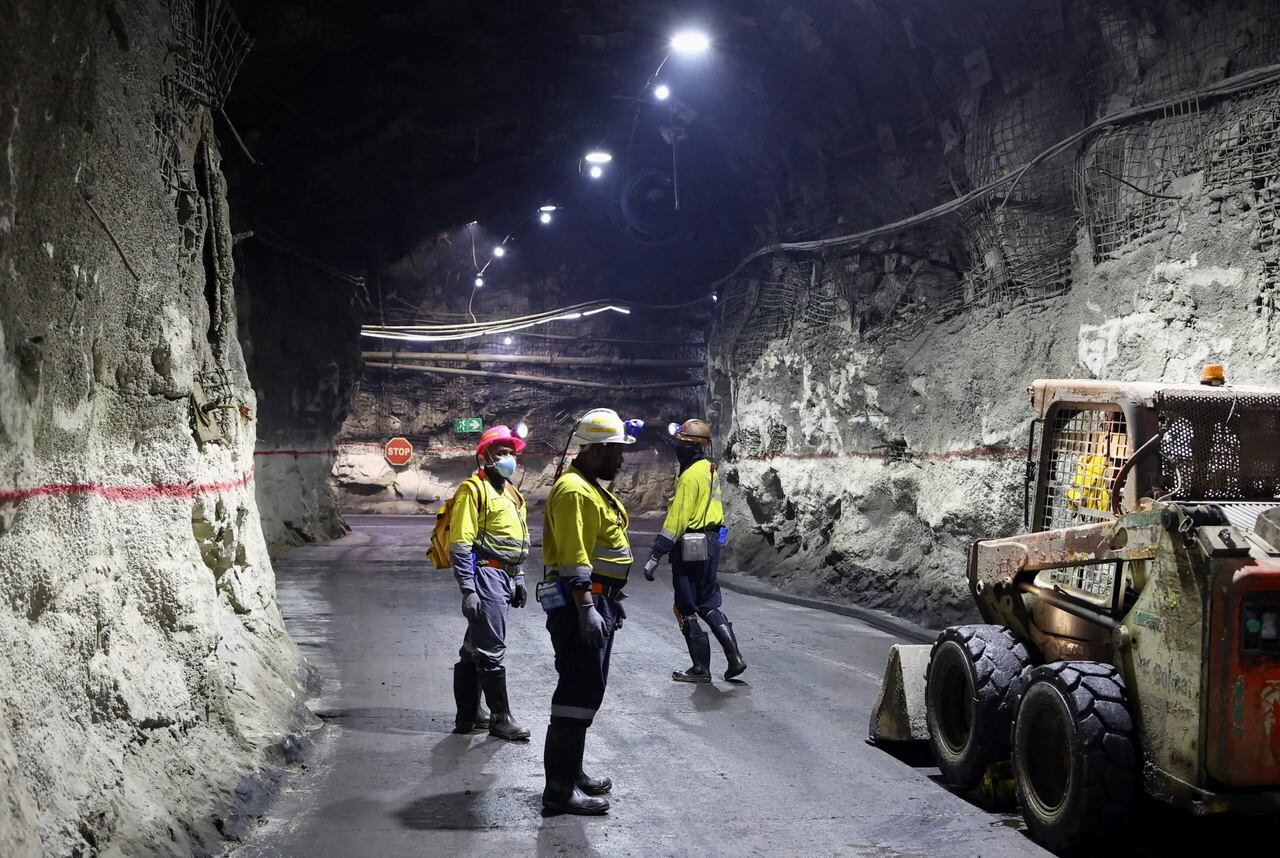

Mozambique’s mining sector and its international investors are voicing significant concerns regarding the proposed revisions to the country’s Mining Law. A key point of contention is the mandate for the government to hold a minimum 15% stake in all mining projects, a measure the Chamber of Mines argues could diminish the nation’s appeal to foreign capital.
These proposed amendments are framed by the government as a strategic initiative to bolster the management of the country’s vital resources in the national interest. Beyond the mandatory state equity, the revisions also introduce a prohibition on the export of unprocessed mineral products and establish designated zones for artisanal mining operations.
The stipulation that the state must secure at least a 15% ownership in all mining companies is seen by industry representatives as a potential deterrent to foreign investment. Geert Kolk, vice president of the Chamber of Mines, articulated these reservations during a recent mining conference in Victoria Falls, Zimbabwe, stating, “Unfortunately, in our opinion as the Chamber of Mines, the mandatory minimum 15% state stake in mining companies could affect Mozambique’s attractiveness as an investment destination for foreign capital.”
Further complicating the regulatory landscape, the proposed legislation will outlaw the export of unprocessed or semi-processed mineral products, with exceptions contingent upon ministerial authorisation tied to demonstrable local processing plans.
Despite these reservations concerning mandatory state participation, Kolk expressed strong support for the overarching objective of enhancing domestic processing of mineral resources. He acknowledged this as a prevailing trend across Africa, aimed at capturing greater value within the continent. “This is a trend in the region, a trend in Africa, to add more value domestically, and rightly so,” Kolk remarked.

However, the success of this value-addition strategy, Kolk cautioned, hinges on the government’s capacity to cultivate an environment conducive to investors. He underscored the critical importance of reliable infrastructure, including consistent water and electricity supply, alongside robust logistics services, as essential prerequisites for making local processing economically viable.
Mozambique holds a prominent position in the global mining landscape, particularly as a leading producer of graphite, a mineral indispensable for the manufacturing of batteries for electric vehicles and energy storage systems. The country is home to significant deposits, including the Balama mine, one of the world’s largest graphite reserves, and the Montepuez ruby mine, reputed to be the largest globally. Furthermore, Mozambique possesses substantial coal reserves, historically exploited by major players such as Rio Tinto and Brazil’s Vale.