









Mauritius Charts Ambitious Digital Future: AI, Tech Investment, and Regulatory Overhaul Drive 2026/27 Economic Strategy

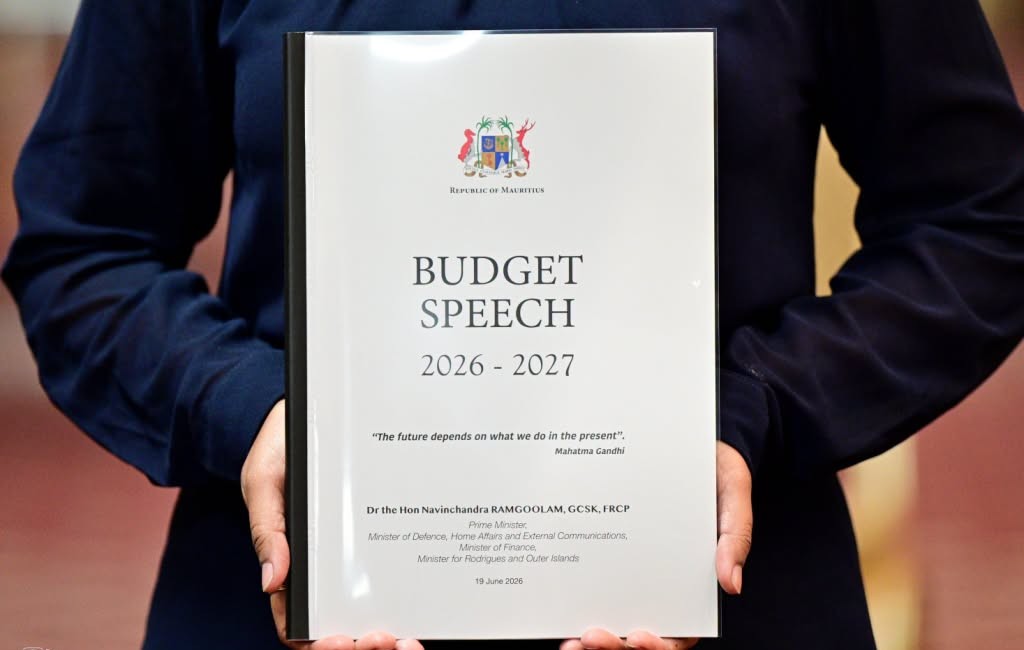

Mauritius is strategically positioning itself as a regional technology powerhouse with a comprehensive digital transformation agenda unveiled in its 2026/27 national budget. The island nation’s forward-looking vision prioritises modernising public services, accelerating Artificial Intelligence (AI) adoption, bolstering cybersecurity, fostering innovation, and attracting significant technology investment. Prime Minister and Minister of Finance Navin Ramgoolam articulated this ambitious plan on June 19, underscoring the integration of digital technologies to enhance governmental efficiency, stimulate entrepreneurship, and draw high-value investments into emerging tech sectors.
A cornerstone of this strategy involves the digital overhaul of public administration. The National Electronic Licensing System (NELS) is slated for an upgrade, incorporating advanced automation and a multilingual AI-powered chatbot. This initiative aims to provide round-the-clock user support, streamline administrative processes, and expedite license approvals. Concurrently, the Digital Interactive Virtual Assistant (DIVA) platform will be enhanced to improve citizen access to online government services, thereby simplifying procedures and delivering a more seamless digital experience for both businesses and residents.
Recognising the critical role of human capital in digital advancement, the government has allocated substantial resources to cultivate digital and AI-related skills across the population. Under the new budget, 8,000 secondary school teachers will undergo specialised digital and AI training, while 12,000 students will gain access to AI-enabled learning tools. Furthermore, 25,000 citizens will participate in digital skills development programs, and 5,000 public-sector employees will receive training in the responsible and effective application of AI technologies.
To further accelerate AI adoption, Mauritius is launching the “Champion of AI” initiative in collaboration with India. This program is designed to promote a broader understanding, acceptance, and practical implementation of AI across government, businesses, and educational institutions. A national AI learning platform will be established with an allocation of 25 million Mauritian rupees (approximately US$523,000) to support AI-focused startups. Additionally, authorities plan to publish a national AI guide, outlining frameworks and best practices for the ethical, transparent, and responsible use of artificial intelligence, reflecting a commitment to innovation aligned with global governance and accountability standards.
Cybersecurity has been identified as another strategic priority, with 13 million Mauritian rupees earmarked for enhancing the nation’s digital resilience. Planned investments include the establishment of a dedicated cyber forensics laboratory, the expansion of digital investigation and incident-response capabilities, the deployment of new information security management systems, and the development of a cyber threat intelligence-sharing platform. These measures are intended to fortify national cybersecurity defences and support the secure expansion of Mauritius’ digital economy.
The budget also introduces a suite of measures to cultivate a more supportive ecosystem for startups and technology entrepreneurs. A new startup law will establish a clearer regulatory framework tailored to innovative businesses, with the Economic Development Board overseeing a dedicated startup accelerator program. Eligible startups will benefit from a 10-year tax holiday, access to financing and innovation support, and grants of up to 500,000 Mauritian rupees for qualifying projects. A unified digital platform will also consolidate support services for Small and Medium-sized Enterprises (SMEs), centralising access to public assistance, financing, advisory services, and business support resources.

A significant development is the creation of a dedicated high-tech special economic zone at Ivory Coast, spanning 83 arpents. This zone is projected to attract substantial investment in AI, data centres, digital services, and other technology-intensive industries. To enhance its global competitiveness, the zone will offer investor-friendly incentives, including 100% foreign ownership rights, preferential electricity tariffs for data centre operations, attractive tax incentives, streamlined work permit processing, and long-term land lease arrangements, aiming to establish Mauritius as a prime destination for international technology firms.
These initiatives collectively underscore Mauritius’ commitment to a holistic digital transformation, integrating AI, cybersecurity, skills development, innovation, entrepreneurship, and robust technology infrastructure. The government anticipates these measures will significantly improve public-sector efficiency, stimulate private-sector innovation, attract foreign direct investment, and solidify the country’s standing as a leading regional technology hub. Current economic indicators highlight the sector’s growing importance, with the digital economy contributing 5.7% to national GDP, internet penetration at 180.5%, and mobile penetration at 173.6%. The sector generated 9.64 billion Mauritian rupees in service exports and attracted 985 million Mauritian rupees in foreign direct investment in the past year, underscoring its expanding role in the nation’s economic growth and international competitiveness.