Liberia’s House of Representatives Launches Sweeping Review of Mining Law Amidst Calls for Enhanced Enforcement and Environmental Safeguards

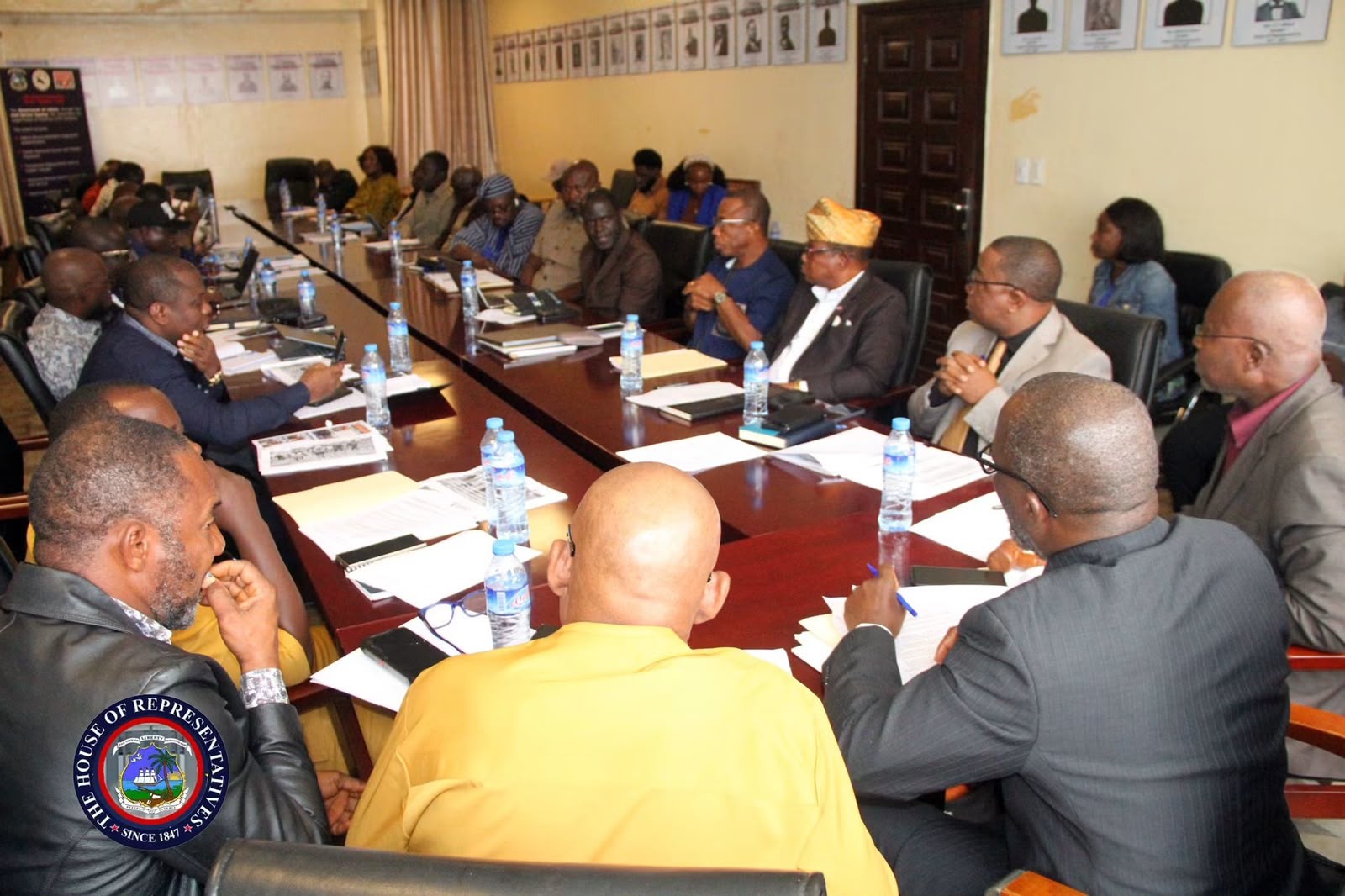

Liberia’s House of Representatives has initiated a comprehensive review of the nation’s Minerals and Mining Law, signalling a concerted effort to address the escalating challenges posed by illegal mining and to bolster the governance of the country’s vital mineral resources. The legislative undertaking, driven by concerns over revenue loss, environmental degradation, and investor confidence, aims to introduce robust amendments to the existing framework.
The Joint Committee on Lands, Mines and Energy, Natural Resources, Environment, and Judiciary commenced public hearings on proposed amendments to the Minerals and Mining Law on Wednesday, July 2, 2026. This crucial exercise is designed to solicit diverse stakeholder perspectives before lawmakers finalise legislative changes. Committee Chairman Rep. Jeremiah Garwo Sokan Sr. underscored the urgency of the review, stating, “Our mining laws must respond to today’s realities by protecting our natural resources while encouraging responsible investment and sustainable development.”
The hearings have convened key government bodies, including the Ministry of Mines and Energy (MME), the Environmental Protection Agency (EPA), the Ministry of Finance and Development Planning, the Central Bank of Liberia, the Governance Commission, and the Law Reform Commission, alongside representatives from the Liberia Chamber of Mines.
Minister R. Matenokay Tingban of the Ministry of Mines and Energy identified illegal mining as a paramount national challenge, highlighting its detrimental impact on government revenue and the environment. He noted that unauthorized operations continue to flourish, often with the alleged complicity of local authorities, traditional leaders, and politically connected individuals, thereby impeding enforcement efforts. The Minister further detailed the accelerated land degradation, river pollution, and ecosystem destruction resulting from the extensive use of excavators, dredges, and mercury by illegal miners. Minister Tingban urged lawmakers to strengthen the Minerals and Mining Law by implementing more stringent penalties, enhancing enforcement mechanisms, and establishing greater incentives for whistleblowers to report mineral smuggling, noting that the current law lacks adequate provisions for prosecuting violators and that the Whistleblower Act offers insufficient inducements.
The Environmental Protection Agency (EPA) corroborated these concerns, with Executive Director Dr. Emmanuel K. Urey Yarkpawolo detailing the escalating environmental consequences. He warned that illegal mining, coupled with uncontrolled logging, is exacerbating land degradation, polluting water bodies, and threatening biodiversity across Liberia. Dr. Yarkpawolo cited the EPA’s nationwide assessment, which revealed the increasing misuse of excavators by Class B and Class C mining operators and a rise in the reported use of cyanide outside approved Class A operations. He also expressed grave concern over the widespread use of mercury in artisanal gold mining, a practice that contaminates water sources, bioaccumulates in fish, and poses significant neurological and health risks to local communities. In response, the EPA plans to introduce a national excavator registration and GPS tracking system to monitor heavy equipment and deter illegal mining. Dr. Yarkpawolo stressed that while fines have been imposed for environmental violations, financial penalties alone are insufficient, advocating for environmental restoration as the primary objective.
Representing the industry perspective, Liberia Chamber of Mines President Amara Kamara advised legislators to adopt a holistic approach to the proposed amendments, extending beyond provisions solely impacting Class B Mining Licenses. The Chamber advocates for a comprehensive review of the entire Minerals and Mining Law to strengthen taxation, licensing procedures, regulatory oversight, environmental protection, transparency, local participation, and the governance of strategic minerals such as lithium, cobalt, graphite, and rare earth elements. The Chamber cautioned that piecemeal amendments could lead to legal inconsistencies and hinder the broader reforms necessary to attract investment and maximise long-term benefits from Liberia’s mineral wealth.
Further submissions were presented by Anthony Myers, Deputy Minister for Fiscal Affairs at the Ministry of Finance and Development Planning; Alaric Togba of the Governance Commission; and Massa Jallabah of the Law Reform Commission.
Following extensive deliberations and questioning, Rep. Sokan assured stakeholders that all recommendations would undergo rigorous scrutiny before the Joint Committee presents its report to the full House of Representatives. The public hearing is slated to reconvene on Wednesday, July 8, 2026, as lawmakers continue their efforts to fortify oversight of the mining sector, combat illicit activities, and promote the sustainable management of Liberia’s natural resources.