








Kenya Courts US Partnership for Rare Earths Development, Prioritising Local Processing Over Raw Exports


Kenya is strategically aligning with the United States for the development of its substantial rare earth and strategic mineral reserves, signalling a decisive shift towards local processing and value addition. This move positions Kenya to maximise economic benefits from its natural resources, moving away from traditional extractive models that favour the export of raw materials.
The proposed landmark agreement, centred on critical minerals, is poised to unlock significant investments, particularly for the development of the Mrima Hill deposit in Kwale County. This deposit alone is estimated to hold approximately $62.4 billion (Sh9.7 trillion) in rare earth elements and other strategic minerals. President William Ruto confirmed that Kenya is nearing the conclusion of a critical minerals agreement with the United States, which mandates that all extracted minerals will undergo local processing before any export.
“We have agreed that the minerals will be processed in Kenya,” President Ruto stated following discussions at the G7 summit. This commitment underscores Kenya’s evolving mineral development strategy, aimed at fostering domestic beneficiation, creating employment opportunities, and driving industrialisation. Washington’s approach resonates with Kenya’s objective to retain industrial value addition and technological innovation within its borders, a sentiment echoed by President Ruto at the Kenya Mining Investment Conference in May, where he declared, “We cannot accept a future in which Africa simply exports raw green minerals while industrial value addition, advanced manufacturing and technological innovation take place elsewhere. That model belongs to the past.”
The United States’ intensified pursuit of critical minerals partnerships across Africa, including Kenya, is driven by a strategic imperative to reduce its dependence on China. Beijing currently dominates global supply chains for rare earth processing and refining, a position that has amplified concerns in Washington following recent Chinese export restrictions on key minerals. These restrictions have heightened anxieties regarding supply security for vital industries such as electric vehicles, artificial intelligence, semiconductors, and defence manufacturing, all of which rely heavily on rare earth elements.
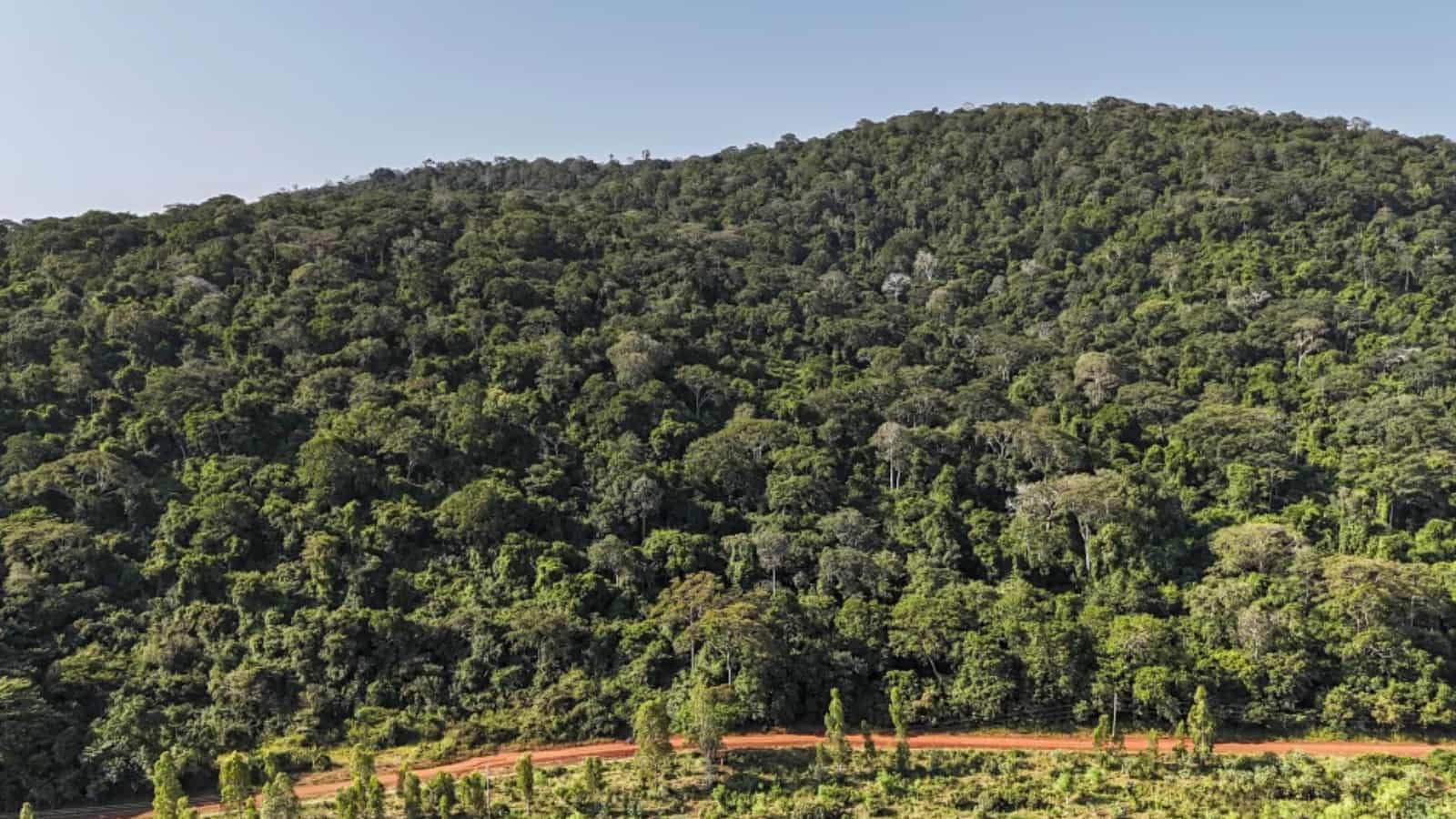
Mrima Hill, located in Kwale County, is a significant repository of rare earth elements and other strategic minerals, including niobium, yttrium, lanthanum, and strontium. These minerals are indispensable for the production of batteries, wind turbines, electric vehicles, smartphones, and advanced military technologies. Kenya initiated an international tender process for the development of this deposit earlier this year, attracting interest from entities linked to the United States, China, and Australia. However, the government has firmly established local processing as a non-negotiable prerequisite for any investor seeking mining rights. The development of the Mrima Hill deposit has faced protracted delays due to prior legal disputes involving former licence holders and environmental protection concerns, particularly given the site’s sacred status for the local Digo community.

Kenya’s negotiations with the US underscore the escalating global competition for critical minerals, which are fundamental to the clean energy transition and the advancement of cutting-edge technologies. Across the African continent, governments are increasingly leveraging their mineral wealth to secure more favourable terms, prioritise domestic processing, and diversify their international partnerships. For instance, the Democratic Republic of Congo, the world’s leading cobalt producer, is also actively pursuing a critical minerals partnership with the United States to lessen its reliance on Chinese investment and expand its internal value addition capabilities.
For Kenya, the proposed agreement with the United States presents a transformative opportunity to establish itself as a regional centre for mineral processing and advanced manufacturing. This strategic alignment promises to ensure that the economic dividends derived from its natural resources remain within the country, potentially marking a pivotal moment for Kenya’s mining sector and its integration into global value chains for future-defining technologies.