








House of Reps Seeks Stronger Protection for Judges Against Threats, Harassment

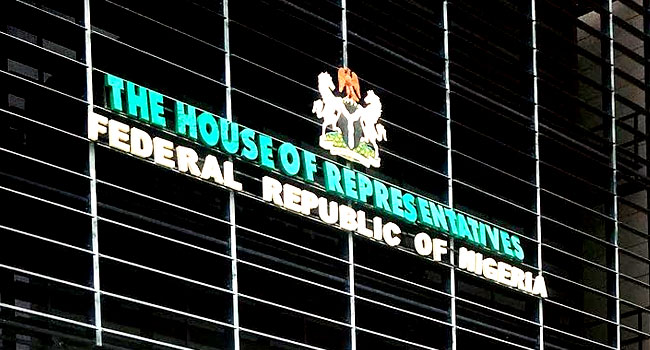

The House of Representatives has called for stronger measures to safeguard judicial officers against threats, harassment, intimidation and attempts to improperly influence the administration of justice in Nigeria.
The lawmakers made the call while adopting resolutions on a motion sponsored by Ademorin Aliu Kuye (APC, Lagos), urging relevant government institutions and professional bodies to take decisive steps to protect judicial independence while preserving citizens’ constitutional right to criticise court decisions.
As part of its resolutions, the House urged the Federal Ministry of Justice and other relevant institutions to intensify public awareness of the constitutional and legal procedures available to individuals seeking redress over judicial decisions or alleged misconduct by judicial officers.
The lawmakers also called on the National Judicial Council (NJC) to strengthen its existing mechanisms for receiving, investigating and addressing credible complaints involving threats, harassment, intimidation and improper attempts to influence judicial decisions.
Similarly, the House urged the Body of Benchers and the Nigerian Bar Association (NBA) to reinforce professional ethics and standards among legal practitioners, particularly regarding public comments on pending cases, court proceedings and judicial judgments.
The two professional bodies were also encouraged to issue clear guidelines urging lawyers to express disagreements with court decisions through lawful, constructive and professionally responsible channels rather than resorting to personal attacks, intimidation or abusive language against judges.
The lawmakers further called on the National Broadcasting Commission (NBC) to strengthen its enforcement of broadcasting standards among media organisations and presenters reporting on judicial proceedings and court judgments.
According to the House, media coverage of judicial matters should uphold fairness, accuracy and responsible journalism while demonstrating respect for the administration of justice.
Media organisations, journalists, political actors and social media users were equally urged to distinguish between legitimate criticism of judicial decisions and personal attacks capable of intimidating judicial officers or eroding public confidence in the Judiciary.
The House also called on relevant law enforcement agencies to investigate credible reports of threats, harassment, incitement to violence and other unlawful attempts to intimidate judicial officers, ensuring that anyone found culpable faces appropriate legal consequences.
Leading the argument for the motion, Kuye described judicial independence as a fundamental pillar of Nigeria’s constitutional democracy, the rule of law and the administration of justice, as guaranteed by the 1999 Constitution, as amended.
He explained that judges and other judicial officers have the constitutional responsibility to interpret laws, resolve disputes and administer justice without fear, favour, affection or ill will.
However, he expressed concern that some public commentators and legal practitioners increasingly resort to personal attacks against judges instead of critically examining the legal principles, reasoning and findings contained in their judgments.
Kuye acknowledged that Section 39 of the Constitution guarantees freedom of expression and stressed that citizens, journalists and legal practitioners must retain the right to scrutinise and criticise judicial decisions responsibly.

He, however, insisted that there must be a clear distinction between constructive criticism of a judgment and personal attacks, threats, harassment or intimidation directed at the judicial officer responsible for delivering it.
According to him, social media platforms, online publications and broadcasting networks are increasingly being used to spread unverified allegations, misleading interpretations and inflammatory commentaries about court proceedings and judgments.
He noted that some of these publications circulate without proper examination of court records, evidence, legal arguments or the reasoning behind judicial decisions.
The lawmaker warned that persistent campaigns of intimidation, harassment and personal attacks against judicial officers could weaken public confidence in the Judiciary, expose judges to undue pressure and threaten the constitutional principle of separation of powers.
He further emphasised that the National Judicial Council, Body of Benchers and Nigerian Bar Association have significant responsibilities in protecting judicial integrity, promoting professional ethics and strengthening public confidence in the justice system.
Kuye stressed that protecting judicial independence should never be interpreted as placing judges above accountability or legitimate public scrutiny.
Rather, he maintained that the objective is to ensure judicial officers can perform their constitutional duties freely and fairly without unlawful threats, intimidation or external interference.