
Council of Legal Education Rejects Privatization of Law School, Enforces Strict Student Sanctions

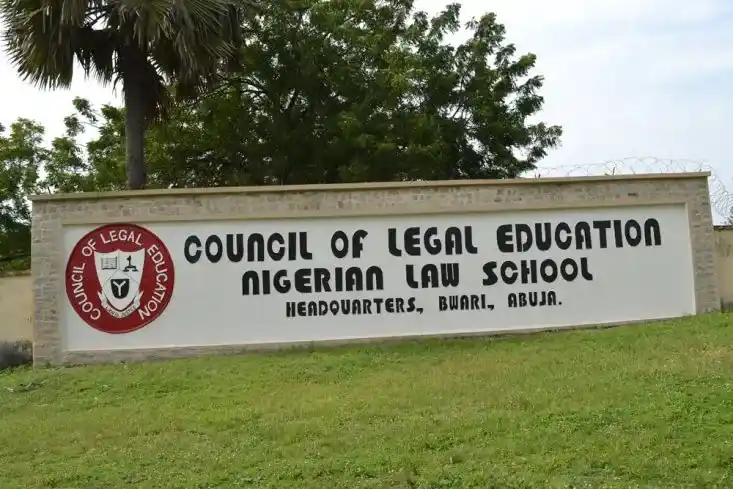

Nigeria’s legal education regulator, the Council of Legal Education, has rejected proposals to privatize and decentralize the Nigerian Law School system, while also imposing stringent disciplinary measures on erring students.
At its second quarter meeting held in Abuja, the Council firmly dismissed calls for private sector involvement in legal training, warning that such reforms could weaken professional standards and compromise the integrity of the legal profession.
Chairman of the Council, Emeka Ngige, who presided over the meeting, reiterated the body’s commitment to preserving centralized oversight of legal education in Nigeria. He emphasized that maintaining a unified system is critical to ensuring consistency, quality, and discipline in the training of future lawyers.
The Council maintained that while reforms may be necessary, they must be gradual and focused on improving existing structures rather than dismantling them. Members stressed that the current framework remains the most effective way to uphold uniform standards across the profession.

In addition to its policy stance, the Council announced tough disciplinary actions against some students found guilty of misconduct, including the imposition of up to 10-year bans. The sanctions, described as among the strictest in recent years, underscore the Council’s resolve to enforce discipline and uphold ethical standards within the legal education system.
The decisions come amid growing public debate on the future of legal education in Nigeria, particularly calls for increased access and modernization through private participation. However, the Council’s latest position signals a clear preference for caution, prioritizing professional integrity over rapid structural changes.