







Carlyle Unveils Proactive Risk Framework Integrating Weather Insurance for Asset Valuation

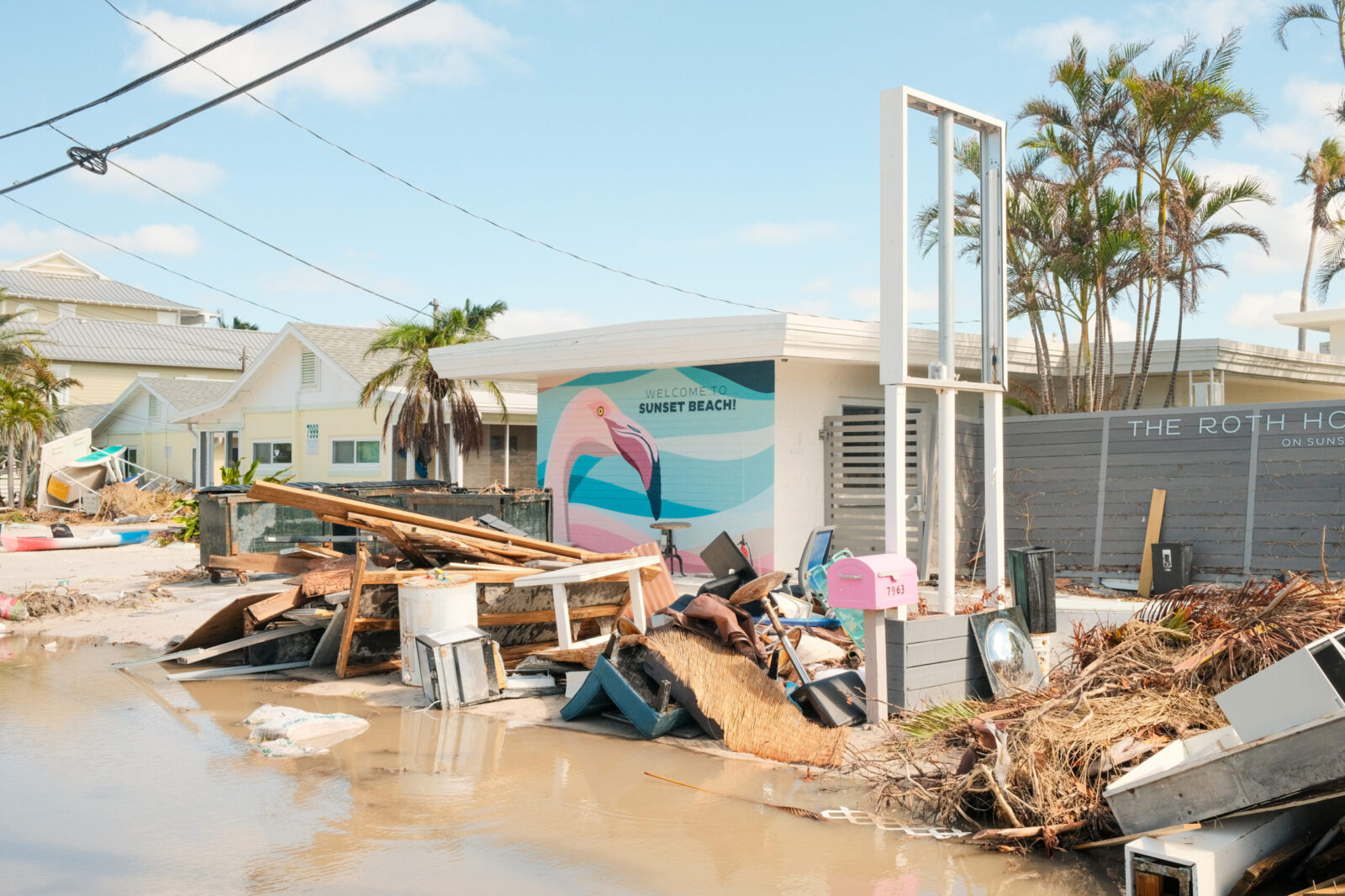

Carlyle Group Inc., a prominent $475 billion investment firm, is pioneering a novel risk management framework designed to embed the implications of severe weather shocks directly into asset valuations. This initiative aims to shift the paradigm from reactive to proactive risk assessment, ensuring continued insurance availability for assets increasingly exposed to climate-related perils.
The current industry standard, which often treats insurance as an afterthought rather than an integral component of risk mitigation, is deemed insufficient by Carlyle. Steve Hatfield, co-head of global sustainability at Carlyle, articulated the firm’s objective: “We want to flip the paradigm and de-risk it so that insurance continues to be available” for vulnerable assets. He highlighted a critical gap: “there’s been no consistent mechanism that allows insurers to recognize how asset hardening reduces risk.” Asset hardening, in this context, refers to the strategic enhancement of a portfolio’s resilience against the impacts of rising temperatures and extreme weather.
This new framework, developed in collaboration with insurance broker Marsh and incorporating insights from engineers, insurers, and climate risk experts, has already garnered significant interest from major institutional investors, including Abu Dhabi sovereign wealth fund Mubadala and Danish pension manager Sampension. The initiative is set to be formally introduced at London Climate Action Week, a forum convening key stakeholders from government, finance, central banking, and academia to address the profound economic and societal shifts driven by a warming planet.
Carlyle’s proposed four-step process mandates portfolio managers to:
1. Estimate Probability of Extreme Weather Events: This involves assessing the likelihood of an asset being impacted by severe weather, including gradual value erosion from rising temperatures or prolonged drought.
2. Assess Resilience Gap: Determine the difference between an asset’s current resilience and the realistic measures required to enhance its resistance to events like floods, storms, or droughts.
3. Quantify Loss Reduction from Upgrades: Estimate the reduction in expected losses achievable through implemented resilience enhancements.
4. Informer Underwriting Decisions: Utilise these calculations to enable insurers to offer more favourable underwriting terms, such as premium credits, deductible reductions, and expanded coverage.
Hatfield emphasised the framework’s “signaling effect to the market,” suggesting that successful implementation could yield substantial financial rewards for investors. This aligns with findings from a 2025 World Resources Institute study, which indicated that investments in adaptation could potentially deliver a tenfold return over a decade.
The urgency of this approach is particularly evident in the burgeoning data centre sector. A recent report by XDI noted that many planned facilities are being sited in areas highly susceptible to extreme weather, including coastal inundation, extreme heat, and riverine flooding. Amy Barnes, head of Marsh’s climate and sustainability strategy, stressed the economic imperative: “we should not be newly constructing anything without also considering” climate resilience. She added, “It is infinitely cheaper to design in the resilience, than to retrofit it.”

Hatfield expressed long-standing concerns about the impact of climate change on Carlyle’s diverse portfolio, spanning real estate, chemicals, and transportation. He observed that portfolio managers, both within Carlyle and across the industry, have historically relied on backward-looking models and insurance coverage that did not adequately anticipate future risks. “I was hitting roadblocks in terms of being able to enable my investment teams to suss out what’s the near-term return on investment, from a cash flow savings perspective,” Hatfield stated. His discussions with pension funds, sovereign wealth investors, and other money managers revealed a shared challenge, underscoring the widespread need for a more robust approach.
The critical role of the insurance industry, which has historically demonstrated greater proficiency in measuring climate risk than banks and investors, became apparent. While severe weather risk is often managed within specialised climate and sustainability functions, expertise in resilience has not always translated into underwriting decisions. Barnes noted, “The underwriters were saying: ‘Yes, this is an issue, but I don’t know how to address it.’”
Carlyle has previewed the new framework with leading insurance carriers, who are expected to pilot it in the coming months. “Today’s infrastructure was really designed for yesterday’s climate, not tomorrow’s,” Hatfield concluded. “That’s why we need to accelerate resilience.”