







AMMC Mandates Builders’ Liability Insurance in Abuja: A New Era of Construction Risk Mitigation and Compliance


The Abuja Metropolitan Management Council (AMMC), operating under the Federal Capital Territory Administration, has officially mandated Builders’ Liability Insurance (BLI) for all construction projects within Abuja. This significant regulatory shift, announced on Thursday, June 18, 2026, aims to bolster safety protocols and provide crucial financial recourse for potential construction-related incidents.
Mr. Ajibade Olayinka, Deputy Director in the Department of Development Control, highlighted the initiative’s core purpose: safeguarding construction workers, adjacent property owners, and the general public from the inherent hazards of building activities. To facilitate this, the AMMC has launched a centralised digital platform designed for the seamless submission, verification, assessment, approval, and administration of BLI policies. This platform is engineered to integrate developers, builders, surveyors, insurance brokers, and insurers, enabling online applications, real-time policy tracking, and transparent management of the insurance lifecycle.
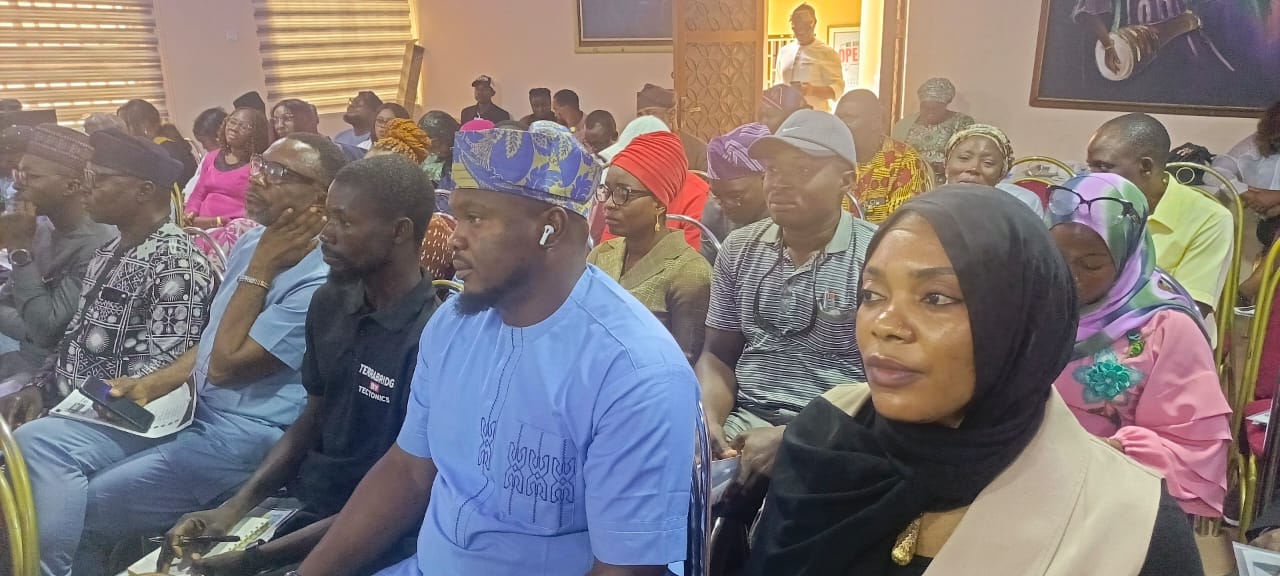
The training session, organised in collaboration with insurance industry partners, served to educate developers, contractors, and other stakeholders on the provisions of the Nigerian Insurance Industry Reform Act (NIIRA) 2025. Olayinka emphasised that the introduction of BLI is intended to enhance compliance with building regulations and reinforce construction protocols, thereby mitigating the persistent issue of building collapses. “The issue of insurance is another layer introduced by the administration to protect workers on construction sites against hazards and building collapse,” he stated. “We are collaborating with the insurance industry to ensure that workers are protected from risks arising from negligence, natural disasters and other unforeseen occurrences on site.”
A critical driver for this mandate is the plight of victims, particularly casual workers, who often suffer severe consequences from building collapses without adequate insurance coverage or a clear path to compensation. Dr. Sammy Olaniyi, a manager for the Builders’ Liability Insurance Project, urged stakeholders to adhere to NIIRA 2025 by securing BLI for all buildings under construction and ensuring annual renewal until project completion and certification. He expressed confidence that the scheme will strengthen oversight of construction projects, ensuring each phase receives professional certification before proceeding.

Dr. Olaniyi clarified that BLI is now compulsory for all developers constructing buildings exceeding one floor within the FCT. Non-compliance carries substantial penalties, including a fine of ₦5 million, a 12-month prison sentence, or project shutdown. He underscored that the primary objective is not revenue generation but the protection of lives and property through guaranteed compensation for victims of construction-related accidents. “Section 75 of the NIIRA Act 2025 provides that anybody constructing a building above one floor must obtain insurance,” he explained. “The essence is to protect third parties, including workers on site, passers-by and neighbouring properties that may be affected by construction activities.”
The AMMC is committed to ending the era where construction workers face injuries without recourse. Dr. Olaniyi identified substandard materials, inadequate supervision, and the engagement of unqualified personnel as key contributors to building collapses, urging developers to prioritise certified professionals. Developers currently engaged in construction without the requisite insurance coverage will be compelled to comply. “For those who already have approvals and are on site without insurance, we will visit them to ensure they obtain Builders’ Liability Insurance because it is mandatory for every building under construction,” he asserted. “Until the building is completed, insurance coverage must be maintained.” This regulatory push signals a significant shift towards greater accountability and risk management within Nigeria’s construction sector, with profound implications for legal counsel, compliance officers, and corporate leadership.