









ECOWAS Abolishes Air Ticket Taxes From January 2026 to Slash Regional Airfares

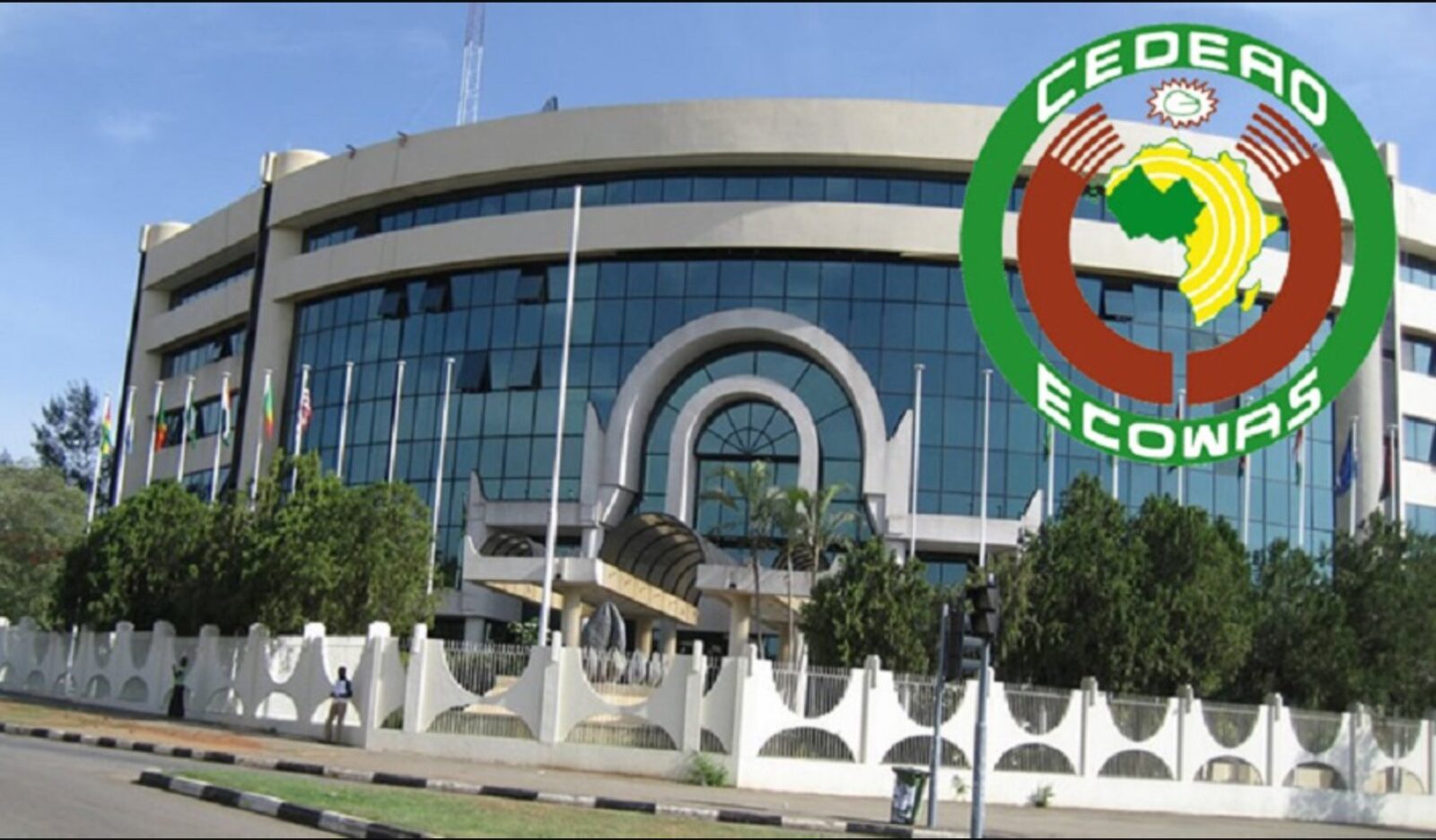

The Economic Community of West African States (ECOWAS) has announced the complete elimination of all air ticket taxes effective January 1, 2026, a move expected to reduce airfares by more than 20 percent across the sub-region.
The groundbreaking policy, endorsed by the Authority of Heads of State and Government in December 2024, represents one of the most significant aviation reforms in African history and could fundamentally reshape how millions travel, trade, and connect across West Africa’s 15 member nations.
The Tax Burden Reality
Chris Appiah, ECOWAS Director of Transport and Communications, revealed that if you buy a typical ticket in West Africa, about 64 percent, sometimes up to 70 percent of the price is taxes and charges. This staggering figure has made West Africa home to the continent’s most expensive air travel, suppressing demand and hindering regional integration for years.
Speaking to journalists on the sidelines of the ECOWAS Council of Ministers meeting in Abuja on Wednesday, Appiah explained that a decade of extensive studies confirmed what travelers already knew: West Africa has the most expensive air transport services on the continent, driven primarily by heavy government-imposed taxes and aviation charges.
The comparative analysis is striking. Current aviation charges in West Africa are up to 67 percent higher than in other African regions, a disparity that has allowed carriers like Ethiopian Airlines, South African Airways, and Royal Air Maroc to thrive while West African airlines struggle to compete.
“Our charges are sometimes 67 percent more than any other region on the continent,” Appiah noted. “That is why airlines like Ethiopian Airlines, South African Airlines and Royal Air Maroc are doing very well, while our region is suffering.”
The impact extends beyond individual travelers. A trader looking to buy goods from Lagos to Dakar, for instance, will not pay less than $3,000 in tickets, and a lot of that is taxes, making regional commerce prohibitively expensive.
Comprehensive Reform Package
The policy goes beyond simply removing taxes. From January 1, 2026, all ECOWAS member states will abolish air transport taxes and reduce passenger and security charges by 25 per cent, in line with a Supplementary Act on Aviation Charges, Taxes, and Fees.
Four major taxes were identified across the region, including the commonly charged security tax, none of which have any real link to aviation services. These taxes, Appiah emphasized, contradict International Civil Aviation Organisation (ICAO) guidelines and actually suppress travel demand rather than supporting sector growth.
The journey to this historic decision began at the 2023 ECOWAS summit in Abuja, where Heads of State acknowledged the crisis in regional air travel. They directed ministers of transport and finance to develop lasting solutions, leading to the adoption of a supplementary act in December 2024 that mandates the removal of all air transport taxes.
“From 1st January 2026, the heads of states have agreed that all member states should remove taxes on air transport,” Appiah confirmed. “These taxes are against ICAO guidelines and suppress demand rather than support growth.”
Recognizing that tax removal alone won’t guarantee lower fares, ECOWAS is taking proactive steps. ECOWAS is working with regional airlines to ensure the tax removal directly results in lower ticket prices for passengers.
“We are working with the airlines to make sure that when the taxes are removed, they also reduce their airfares so West Africans can travel freely,” Appiah stated, acknowledging concerns that airlines might simply pocket the savings without passing them to consumers.
The policy is fundamentally about ECOWAS’ integration agenda. “ECOWAS stands for regional integration, and regional integration rides on connectivity,” Appiah explained. “One of the main modes of connecting our member states is air transport.”
The reform supports the bloc’s broader vision of free movement of people, goods, and services across borders—essential for trade, tourism, education, healthcare access, and business opportunities throughout West Africa.
Countering concerns about lost government revenue, Appiah argued for a volume-based approach: “This is revenue for government because when taxes are reduced, demand goes up and lots of people start travelling.”
The economic logic is straightforward—lower prices stimulate demand, increasing passenger numbers and potentially generating more revenue through volume than the current high-tax, low-volume model.
To ensure smooth rollout, ECOWAS is working closely with:
– Member state governments
– National parliaments
– Aviation sector stakeholders
– Regional airlines
– An Oversight Committee to monitor cost reduction and compliance
The one-year transition period allows countries to make necessary fiscal provisions and national-level preparations for seamless implementation by the January 1, 2026 deadline.
Beyond tax elimination, ECOWAS is pursuing accompanying measures including:
– Resource mobilization to support country-level projects
– Establishment of a regional aircraft leasing company
– Creation of a regional aircraft maintenance center
– Projects to help airlines access cheaper services within West Africa
Nigeria’s Strategic Support
The Nigerian government has signaled strong backing for the initiative, recognizing its potential to boost business travel, tourism, and regional commerce. President Bola Tinubu’s administration views the policy as aligned with efforts to enhance regional economic integration and position West Africa as a competitive aviation hub.
If successful, West Africa’s aviation reform could serve as a model for other African regions grappling with similar challenges. The policy demonstrates how regional cooperation can address structural barriers to economic development and integration.