









Duane “Keffe D” Davis Sentenced to 40 Years to Life for Orchestrating Tupac Shakur’s 1996 Murder

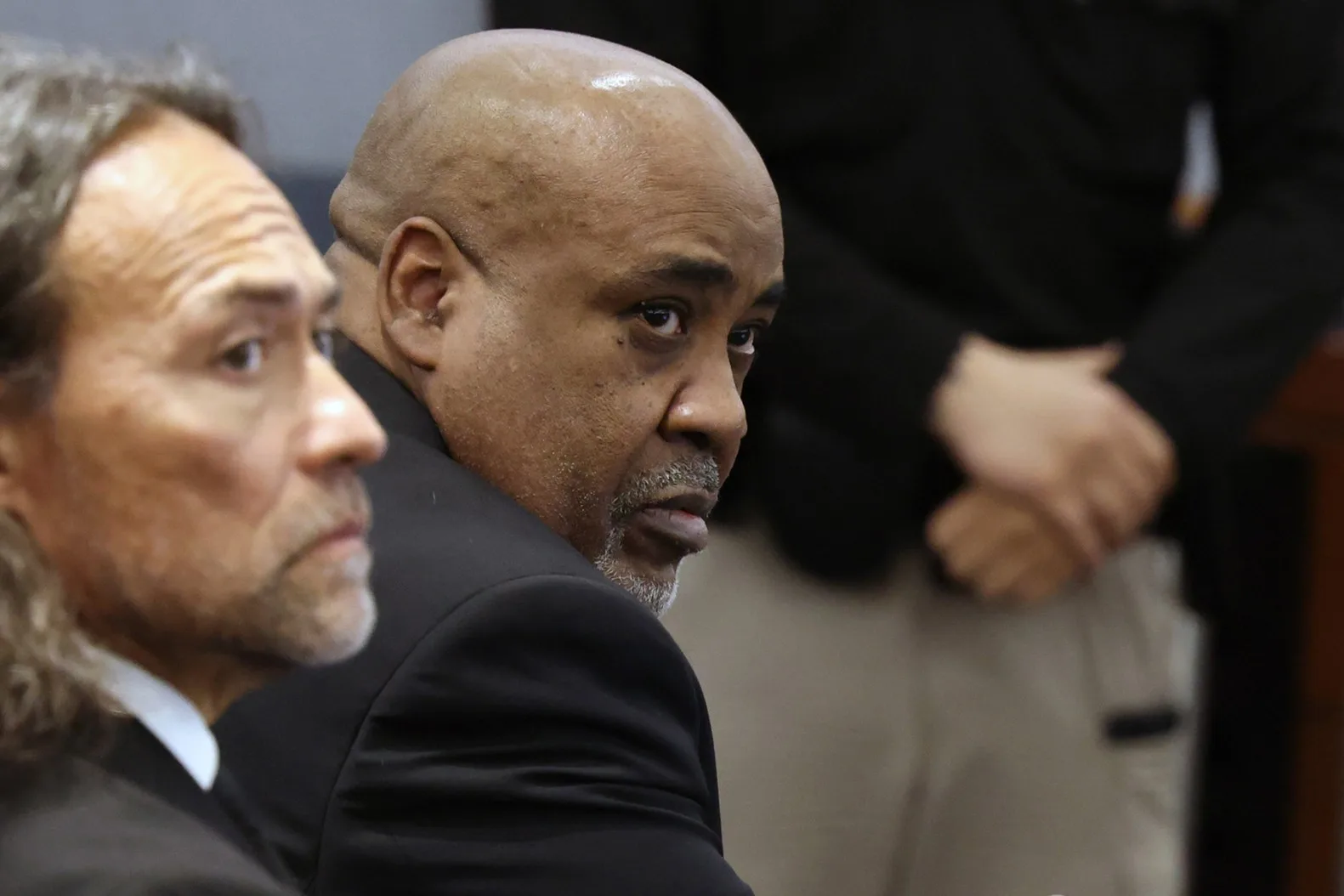

Nearly three decades after the fatal shooting of hip hop legend Tupac Shakur shocked the music world, Duane “Keffe D” Davis has been sentenced to 40 years to life in prison for orchestrating the rapper’s 1996 murder, bringing a major development to one of the most notorious criminal cases in American music history. A Nevada court delivered the sentence on Tuesday, October 13, 2026, following Davis’s conviction for first degree murder in August.
During the sentencing hearing, prosecutor Marc DiGiacomo told the court that Davis was “guaranteed to die” behind bars, underscoring the severity of the punishment. Tupac’s sister, Sekyiwa Shakur, attended the proceedings and spoke about the enduring emotional pain the killing had inflicted on the family. Davis, however, offered little in response when given an opportunity to address the court, saying, “No, I’m good.” His lawyer, Michael Sanft, indicated that the defence planned to appeal the conviction.
Tupac was shot in a drive by attack near the Las Vegas Strip on September 7, 1996, following an altercation at the MGM Grand casino earlier that evening. The rapper, who was 25, died six days later. His killing remained officially unresolved for decades, becoming a lasting subject of public fascination and speculation about the violence surrounding the hip hop scene of the 1990s.
Investigators eventually focused on Davis, a former leader of the South Side Compton Crips, after he discussed his involvement in interviews and his 2019 memoir, Compton Street Legend. Prosecutors argued that he helped organise the attack and supplied the firearm used by a passenger in the vehicle. Davis was not accused of personally pulling the trigger. His defence challenged the reliability of his statements and argued that physical evidence did not directly connect him to the killing, but the jury found him guilty in August 2026.

The sentence marks a significant milestone in a case that remained unsolved for almost 30 years, but it does not necessarily bring every question surrounding Tupac’s death to an end. Davis’s planned appeal means the legal battle may continue, while his conviction establishes criminal responsibility for orchestrating the killing rather than identifying him as the person who fired the fatal shots. For Tupac’s family and generations of fans, the sentence represents a consequential moment in a long pursuit of accountability, even as the rapper’s cultural legacy continues to outlive the circumstances of his death.