









Kenya’s Central Bank Seeks Sweeping Powers to Intervene in Troubled Fintechs

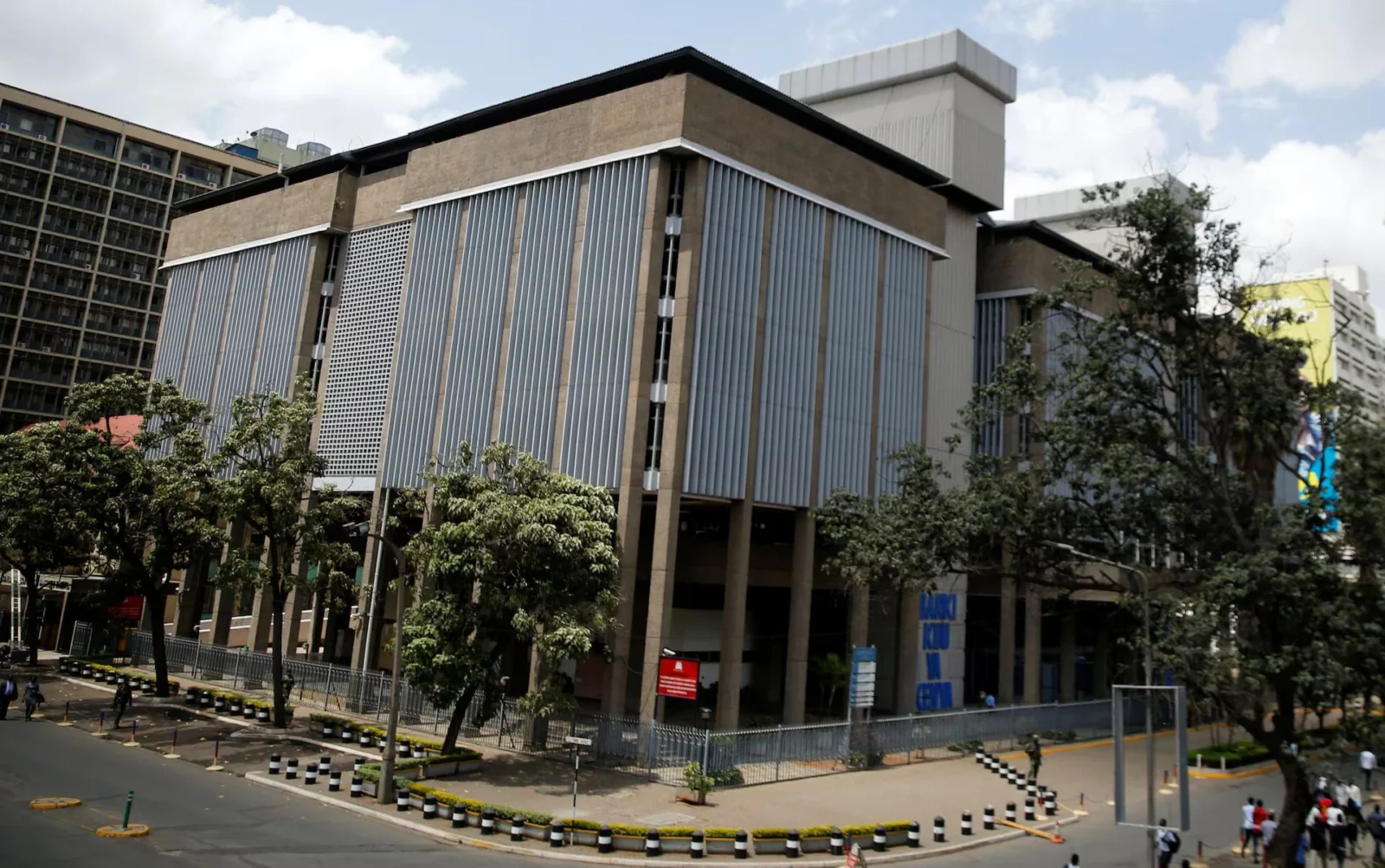

Nairobi, Kenya – The Central Bank of Kenya (CBK) is proposing significant new powers that would allow it to take control of struggling payment companies and facilitate the sale of their businesses. This move aims to bolster customer protection and ensure financial stability within the rapidly evolving fintech sector. The draft National Payment System Bill, 2026, outlines a framework for CBK intervention when payment providers fail to meet their obligations to customers or other financial institutions, breach regulatory requirements, or pose a threat to overall financial stability.
This proposed legislation, as reported by TechCabal, would position the CBK at the forefront of resolving failures in an industry where consumers entrust private entities with the safekeeping and transfer of their funds. The bill empowers the regulator to step in before a company reaches the point of liquidation, enabling the CBK to appoint a statutory manager responsible for overseeing the business and orchestrating its sale. The draft explicitly states, “The Central Bank may intervene in the management of a payment service provider or a payment system operator where … the payment service provider or payment system operator fails to meet its obligations to customers.”
Furthermore, the bill grants the CBK the authority to act against companies that disregard regulatory directives or to intervene during a crisis to safeguard financial stability and public confidence. This proactive approach allows for intervention while a business still possesses viable assets and operational capacity. The implications for payment providers are substantial, as an inability to settle obligations can have cascading effects on merchants awaiting proceeds, customers initiating transfers, and other institutions expecting payments.
Under the proposed law, the CBK could remove company officials deemed responsible for a firm’s decline, appoint a director whose tenure is contingent on CBK approval, and prohibit the troubled entity from engaging in new payment business or onboarding additional agents. The draft bill stipulates that “All the powers of the directors, significant shareholders, senior officers or trustees” would be suspended upon the appointment of a statutory manager, unless explicitly permitted otherwise. While these measures are designed to limit further exposure of customer funds, they could significantly diminish the influence of existing owners over the company’s response to its difficulties.
Crucially, while the primary objective is the protection of customer funds, the proposed intervention does not guarantee uninterrupted access to those funds. A statutory manager retains the discretion to suspend payments to customers and other creditors during the management and resolution process. This legislative push follows a precedent set by the CBK’s 2021 revocation of Mobile Pay (operating as Tangaza) due to regulatory breaches, including the failure to submit crucial financial and security reports. The new bill seeks to formalise and expand these powers through a comprehensive statutory management regime, drawing parallels with the CBK’s past interventions in the banking sector, such as the receivership and liquidation of Imperial Bank and the resolution of Chase Bank. The bill also aims to address a legal grey area by facilitating the registration and licensing of fintech startups, potentially fostering greater competition against established commercial banks and telcos.