









Australia Sets Landmark Gig Worker Pay and Insurance Standards, Creating Precedent

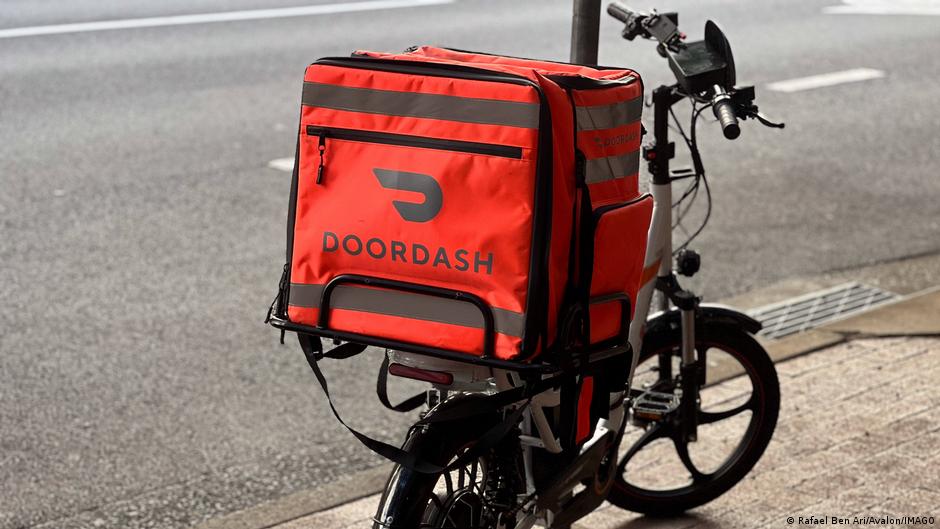

Australia’s industrial relations tribunal has approved new regulations that mandate a minimum hourly pay rate of A$31.30 (€19.15, $22.11) for food and grocery delivery workers, alongside mandatory accident insurance coverage. This significant development, established by an order from the Fair Work Commission (FWC) on August 12, 2026, surpasses the national minimum wage of A$26.44 and is being hailed as a pivotal moment for the gig economy.
The FWC’s ruling, which takes effect on August 17, establishes that the minimum hourly rate applies to the “engaged” time – the period from accepting a delivery job to its completion. Furthermore, companies are now required to provide a “reasonable minimum level of cover” for personal accident insurance during work hours, though the exact quantum of this cover is not specified. Workers will, however, retain responsibility for maintaining third-party insurance for their delivery vehicles.
This decision by the Fair Work Commission is anticipated to impact approximately 250,000 workers and has been lauded by the Transport Workers Union (TWU) as a “landmark moment for the Australian gig economy” and a “world-leading set of standards.” For legal professionals, compliance officers, and corporate executives, this signifies a substantial shift in the regulatory landscape for platform-based work, moving away from the prevalent “independent contractor” classification that historically excluded gig workers from many standard employment protections.

The FWC’s order aligns with broader international efforts to enhance working conditions in the gig economy. Notably, the United Nations’ International Labour Organization (ILO) adopted a new global treaty in June 2026 aimed at establishing decent working conditions for gig workers, though this treaty requires ratification by individual governments. In Australia, legislative efforts under the Labor government in 2023 and 2024 had already begun to empower gig workers with greater negotiating rights concerning pay and conditions, paving the way for the FWC to set these new pay and insurance rules. This precedent-setting move by Australia offers valuable insights for businesses and legal practitioners navigating the evolving global framework for platform work.