







NUPRC and NNRA Partner on Compliance Costs, for Safety Oversight



Nigeria’s drive to strengthen its petroleum industry received a boost as the Nigerian Upstream Petroleum Regulatory Commission (NUPRC) and the Nigerian Nuclear Regulatory Authority (NNRA) agreed to harmonise regulatory processes aimed at reducing operational costs, improving safety standards and enhancing investor confidence in the upstream oil and gas sector.
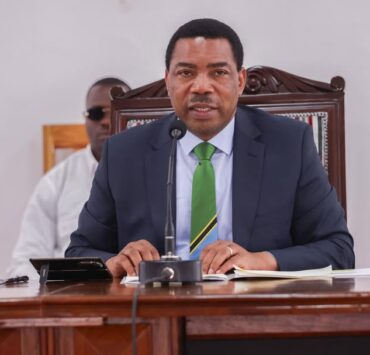
The agreement emerged from a meeting in Abuja between NUPRC Chief Executive, Oritsemeyiwa Eyesan, and NNRA Director-General, Yau Idris, where both agencies resolved to eliminate overlapping regulatory requirements and establish a more efficient compliance framework for industry operators.
Eyesan said excessive and duplicative regulations often increase operational expenses through multiple fees, charges and reporting obligations, ultimately undermining the competitiveness of Nigeria’s oil and gas industry. She noted that closer collaboration between the two agencies would help close regulatory gaps, improve efficiency and safeguard investments.
Under the proposed framework, the NUPRC and NNRA will adopt a single-window approach that allows both regulators to share information, reducing the need for operators to submit the same data to different agencies. The partnership will also strengthen oversight of radiological safety in oil and gas operations, including the management of Naturally Occurring Radioactive Materials (NORM) generated during exploration and production activities.
The collaboration comes as the Federal Government intensifies efforts to boost petroleum sector investment and increase production following the implementation of the Petroleum Industry Act [PIA]. Although official data showed foreign capital inflows into the oil and gas sector rose by 283.3 per cent year-on-year to $0.46 million in the first quarter of 2026, the industry continued to attract only a marginal share of the $10.37 billion total capital imported into the Nigerian economy during the period.
Meanwhile, the global oil market received fresh signals from OPEC+ after key producing countries agreed to increase production quotas by 188,000 barrels per day for July. The decision was reached during a virtual meeting involving Saudi Arabia, Russia, Iraq, Kuwait, Kazakhstan, Algeria and Oman.
The producer group said the increase was intended to support market stability while allowing participating countries to accelerate compensation for previous production adjustments. However, analysts suggested the additional supply would have limited immediate impact on oil prices amid continuing concerns over disruptions linked to the Middle East conflict and restrictions affecting movement through the Strait of Hormuz.

Energy analyst Jorge Leon of Rystad Energy described the latest quota increase as largely symbolic, arguing that the market remains more concerned about the availability of physical barrels than production targets. He warned that once tensions ease and shipping routes normalise, the market could quickly shift from fears of supply shortages to concerns about oversupply, particularly if returning OPEC+ output coincides with increased US shale production and weakening global demand.
The twin developments underscore efforts by both regulators and producers to balance efficiency, safety and supply stability at a time when Nigeria seeks to attract greater investment into its petroleum industry while global oil markets remain vulnerable to geopolitical uncertainties.