








Tanzania’s Prime Minister Calls on Leaders Nationwide to Educate Citizens on Land Agreements

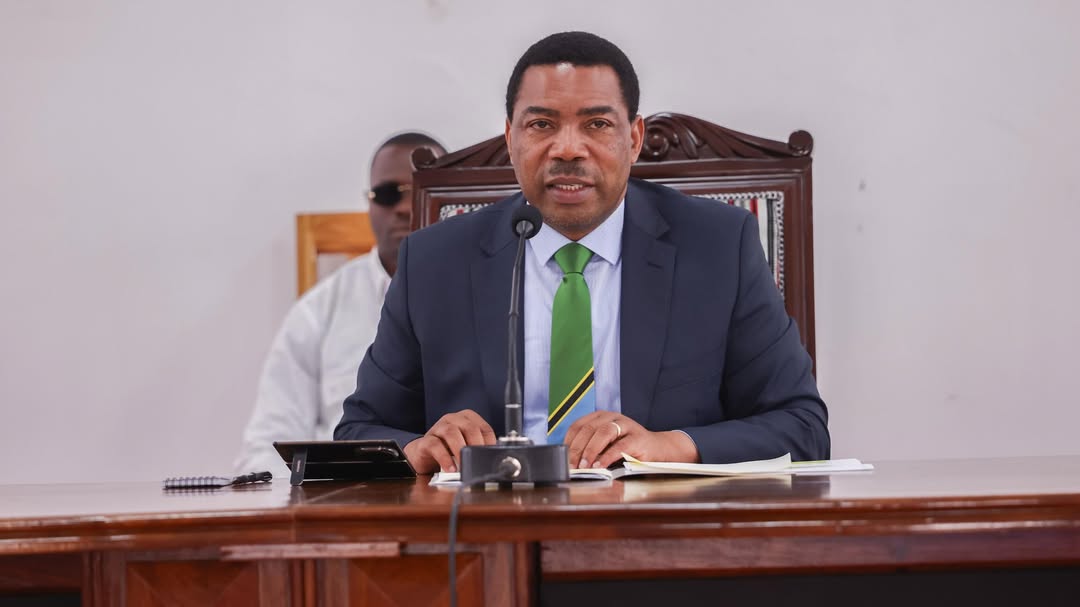

Tanzania’s Prime Minister Dr Mwigulu Nchemba has called on leaders nationwide to educate citizens about the critical importance of documenting land transactions through formal written agreements, warning that relying on trust alone has led to a surge in land disputes across the country.
The directive comes as Tanzania grapples with an increasing number of land-related conflicts, a pattern that became apparent during the Prime Minister’s recent nationwide engagements with citizens. Speaking yesterday at a meeting with regional leaders in Iringa, Dr Nchemba emphasised that the current approach to land transactions, which often depends solely on verbal agreements and personal trust, is no longer sustainable in the country’s evolving social and economic landscape.
“Leaders present here should advise citizens that land matters should no longer be handled based on trust alone. They should enter into formal agreements, preferably documented through village offices, so that transactions are properly recognised,” Dr Nchemba stated during the meeting held at the Regional Commissioner’s Office conference hall.
The Prime Minister’s comments reflect a growing concern about land governance in Tanzania, where informal land transactions remain common, particularly in rural areas. As the country experiences rapid population growth and increased demand for land for both residential and commercial purposes, the absence of proper documentation has created fertile ground for disputes that often escalate into protracted legal battles or community conflicts.
Dr Nchemba revealed that land ownership and transaction issues dominated the grievances raised by citizens during his tour of the region. This pattern underscores a nationwide challenge that affects both urban and rural communities, where unclear land rights can derail development projects and strain social relationships.
“I urge citizens not to fear formalising their arrangements because trust is gradually declining. By documenting agreements, we can prevent future disputes,” the Prime Minister added, highlighting the practical benefits of proper land documentation.
The directive extends beyond private transactions to include government-led development projects. Dr Nchemba instructed leaders overseeing such initiatives to ensure that residents whose land is affected receive formal agreements and official documentation to protect their rights. This requirement covers a wide range of projects, including infrastructure development, educational facilities, and investment ventures.
“We should not take people’s land without paying compensation. Whenever there is a development project, there must be formal agreements,” he emphasised. “Residents of affected areas should be issued official letters confirming land acquisition, while they await compensation payments. Whether the land is earmarked for investment, road construction, schools or any other public project, people must be given proper documentation.”
The Prime Minister also addressed broader issues of public service delivery, directing civil servants to wear identification badges displaying their names while on duty. This measure aims to improve accountability and transparency in government offices, where inefficiency remains a persistent challenge.

“Public servants should wear identification cards so that citizens can easily identify those responsible for delivering services. We must not institutionalise inefficiency in our offices,” Dr Nchemba said. He added that supervisors must ensure accountability among their staff, noting that in some offices, only a small proportion of employees are genuinely productive despite full attendance records.
During his remarks, the Prime Minister commended Iringa Regional Commissioner Heri James, CCM Regional Chairman Daudi Yassin, and other regional leaders for maintaining peace and effectively managing development activities in the region. He noted that his visit to all seven constituencies in Iringa revealed a population focused on development rather than political conflicts.
“Congratulations. Your region is peaceful. I have visited all seven constituencies and have not encountered conflicts related to leadership contests. Everywhere I went, people were focused on development issues,” he said.
The Prime Minister’s directives come at a crucial time for Tanzania’s land administration system, as the country seeks to balance traditional practices with modern governance requirements while supporting economic development and protecting citizens’ property rights.