

FHC Chief Judge John Tsoho Faces Asset Declaration Controversy Amid Premium Times Investigation

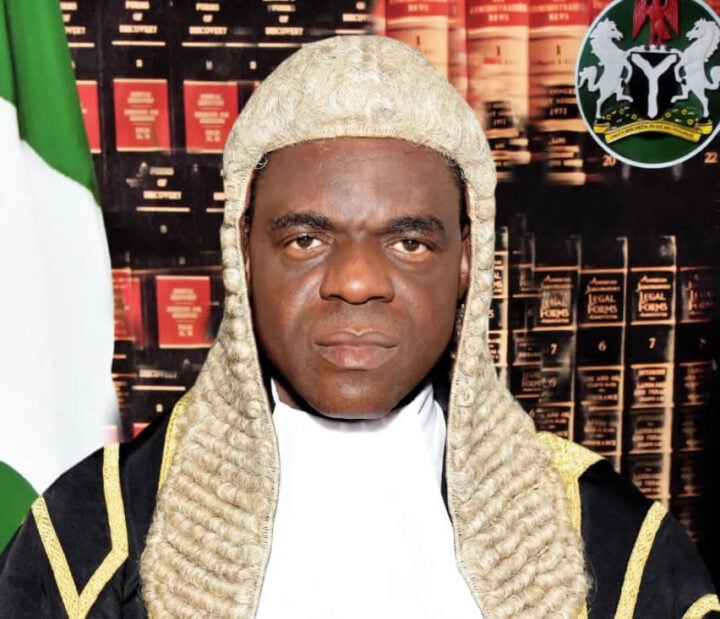

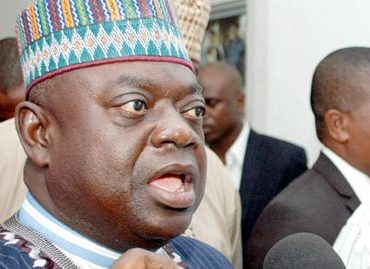
An investigation by Premium Times has alleged that John Tsoho, Chief Judge of the Federal High Court (FHC), failed to fully disclose his assets in violation of the Code of Conduct law.
According to the report, Justice Tsoho omitted four bank accounts—three with United Bank for Africa (UBA) and one with Access Bank—from the asset declaration form he submitted to the Code of Conduct Bureau (CCB) on 29 April 2024. One of the accounts is said to be dollar‑denominated.
Under the Code of Conduct law, public officers are required to declare all assets, including bank accounts, balances, and properties. Undeclared assets are presumed unlawfully acquired unless the officer proves otherwise before the Code of Conduct Tribunal (CCT). If established, sanctions include removal from office, a 10‑year ban from holding public office, and forfeiture of the undeclared assets.
Premium Times reported that Justice Tsoho did not respond to calls or requests for comment. Neither the Federal High Court nor the CCB has issued an official statement.
The revelations come at a time when the National Judicial Council (NJC), led by Chief Justice Kudirat Kekere‑Ekun, is investigating senior judges over allegations of misconduct, including false asset declarations. The controversy raises questions not only of legality but also of moral authority, given the Federal High Court’s central role in adjudicating high‑profile political, financial, and constitutional cases.
As of now, no formal charge has been filed and no official finding of guilt has been made. The matter recalls the 2019 conviction of former Chief Justice of Nigeria, Walter Onnoghen, by the CCT for false asset declaration—a conviction later overturned by the Court of Appeal in what was widely regarded as a political settlement.