





Côte d’Ivoire’s Cocoa Buy-Back Scheme: Legal and Commercial Implications

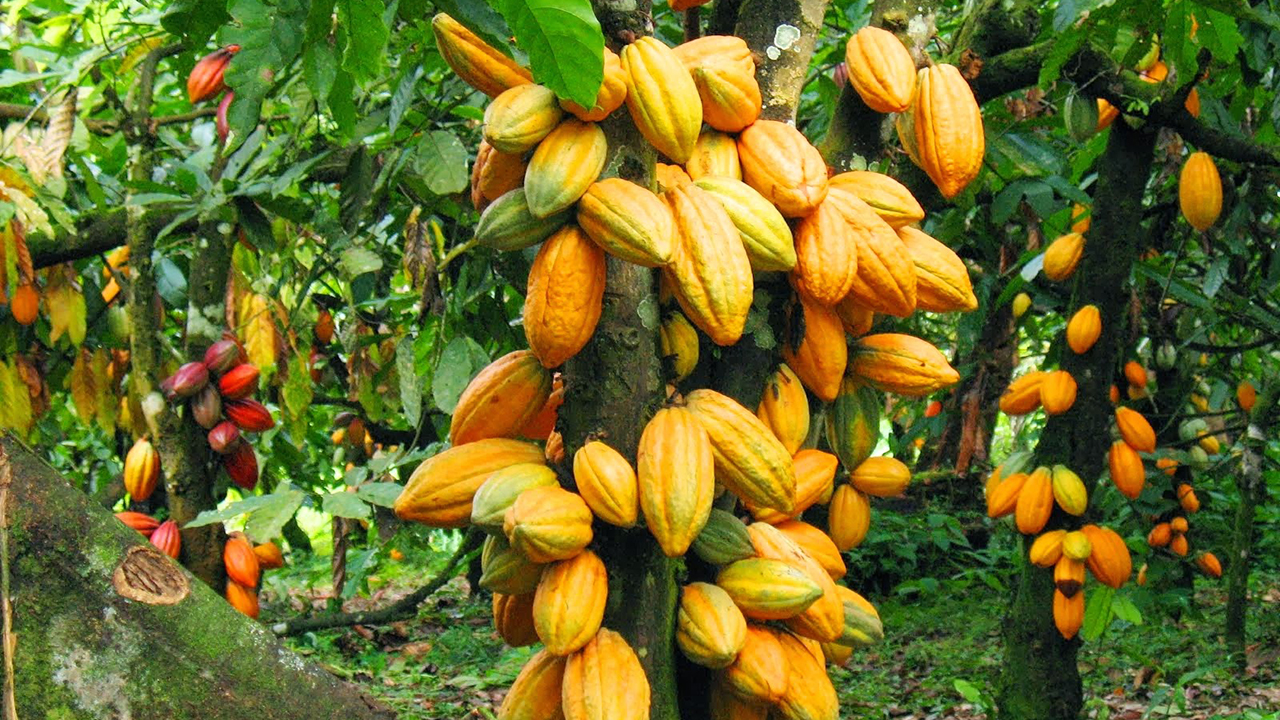

In early 2026, Côte d’Ivoire, the world’s largest cocoa producer, confronted a deepening crisis in its cocoa value chain. Unsold bean stocks accumulated in cooperatives and warehouses as exporters sharply reduced purchases. Many exporters refused to buy cocoa at the government’s official guaranteed price of 2,800 CFA francs per kilogram, citing uncompetitiveness amid falling global prices. This left cooperative inventories swelling, producers unpaid, and created a liquidity shortfall across the commercialization chain, generating both fiscal and social pressures in a sector that supports millions of livelihoods.
To address the crisis, the Conseil du Café-Cacao (CCC) launched a government-backed buy-back scheme, designed to purchase cocoa directly from cooperatives. The scheme aims to acquire up to 100,000 tonnes of beans by the end of March 2026, at an estimated cost of 280 billion CFA francs. The first phase involves buying and storing the beans, with subsequent phases focusing on exporting the accumulated stockpile once market conditions improve or buyers express interest.
The intervention carries significant legal and commercial implications. Licensed exporters are effectively required to comply with the government’s pricing framework, shifting market risk to the state while imposing regulatory obligations on private actors. Cooperatives and traders benefit from guaranteed payment but assume operational responsibilities, including coordinating with the CCC on delivery schedules, storage, and documentation of cocoa volumes. Fiscal risks are also notable, as the buy-back represents a substantial public expenditure that must be carefully managed to prevent budgetary strain if market absorption is delayed.

In summary, Côte d’Ivoire’s cocoa buy-back scheme represents an urgent effort to stabilize the sector and safeguard producers. At the same time, it underscores the legal, fiscal, and operational challenges associated with expanded state intervention in global commodity markets amid price volatility.