South Africa’s Farm Exports Smash Records Despite US Tariffs

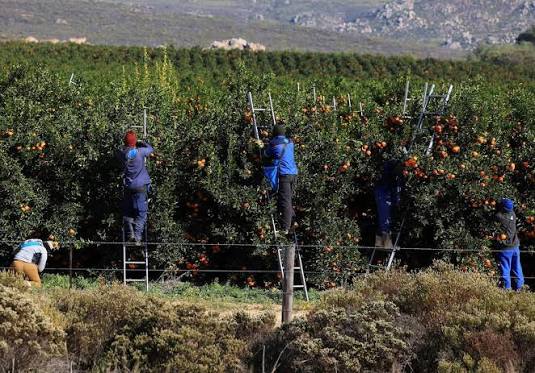

South Africa’s agricultural sector closed 2025 with a result that few predicted at the start of the year: a record $15.1 billion in farm exports, up 10% on 2024. The Agricultural Business Chamber of South Africa attributed the rise to higher volumes and better prices across key commodities, from citrus and table grapes to corn and wine. It was the seventh consecutive annual increase — a streak that even a bruising trade dispute with Washington could not break.
The US tariff story unfolded in three distinct acts. In the first quarter of 2025, before any duties were in place, exports surged 10% to $3.36 billion, with shipments to the US climbing 14% to $202 million. Then, as the Trump administration’s 30% “reciprocal tariff” loomed — signed by executive order on July 31 and effective August 8 — exporters front-loaded aggressively. US-bound shipments jumped a further 26% in the second quarter to $161 million, as producers rushed to beat the deadline.
“When it comes to agriculture, the US is not dominant — it is simply one of several markets.”
Once the tariff kicked in, the impact was swift. Exports to the US fell 11% in the third quarter, then crashed 39% in the final three months of the year. Yet the annual record held, for a simple structural reason: the United States was never a dominant buyer. The US accounted for just 3–4% of South Africa’s total farm exports by value — part of a 6% Americas share. The rest of Africa absorbed the lion’s share of exports, followed by the European Union and the Asia-Pacific region. Losing ground in one market of that size, while painful for affected producers, was not enough to derail a sector with genuine global reach.
The picture was further softened by a partial US policy reversal. Washington later exempted several South African agricultural products from the 30% levy, including oranges, macadamia nuts, and fruit juices — some of the country’s highest-value exports to the American market. The exemptions came too late to rescue the second half of the year, but they signal room for negotiation and offer some relief heading into 2026.
That relief, however, is conditional. The 30% tariff affected only the tail end of the 2025 export season; its full weight will be felt from the very start of 2026. Industry leaders have warned that tens of thousands of jobs — particularly in citrus-growing communities — remain at risk if a broader trade deal with Washington is not secured. The South African government has submitted a framework proposal to the US, but negotiations remain unresolved.

For now, the 2025 record stands as a testament to what diversification can do. South Africa’s farmers did not stumble into resilience — they built it, market by market, over years. Whether that foundation holds in 2026 will depend as much on diplomacy as on rainfall.