







House of Representatives Approves Tougher Sanctions for Electoral Offences

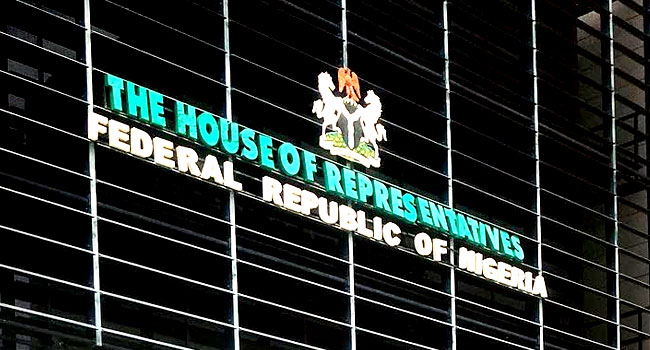

The House of Representatives has approved stiffer penalties for electoral offences, including a 10‑year custodial sentence or a fine of ₦75 million for persons convicted of forging nomination papers or destroying election result sheets.
The resolution was reached during plenary as part of ongoing consideration of amendments to the Electoral Act, 2022.
Under the amended provisions, lawmakers increased the fine for electoral forgery from ₦50 million (in the Principal Act) to ₦75 million. The House also approved a ₦5 million for the improper use of a voter’s card.
Lawmakers also removed an existing provision mandating cancellation of results and the conduct of fresh elections in polling units whereover-voting isestablished. In its place, the House approved a new framework which allows excess votes to be deducted proportionately from the scores of all candidates, while the Presiding Officer in the affected polling unit will face prosecution.
The House rejected a proposal seeking to impose a two‑year jail term on persons for financial or material inducement of delegates to influence the outcome of party primaries, congresses orconventions. Lawmakers argued such a clause could be abused or weaponised by political opponents to harass candidates.
Speaking after plenary, Hon. Adebayo Balogun, Chairman of the House Committee on Electoral Matters, explained that the Electoral Bill 2025 was initially conceived as a repeal and reenactment of the 2022 Act. The intent was to consolidate gains from recent elections and address systemic gaps.
Balogun noted that proposals such as early voting, inmate voting, technology‑driven accreditation to replace PVCs, and adjustments to electoral timelines were considered but lacked sufficient consensus across both chambers. Consequently, the House opted for targeted amendments rather than wholesale repeal.
He emphasised that the process reflected consensus‑building in legislative practice, adding: “What matters in law is the effect of the legislation, not its label.”

The Electoral Act 2022, though widely praised for innovations such as the BVAS and electronic transmission of results, revealed weaknesses during the 2023 general elections. These included lack of clear sanctions for certain malpractices, inconsistent application of technology by officials and weak enforcement of penalties. Contentious provisions on over‑voting, vote buying, and party primaries and concerns about rigidity of timelines and absence of legal backing for early/special voting ambiguities around INEC’s powers at polling units.
Lawmakers stated that the amendments are designed to strengthen accountability, deter electoral crimes, and improve enforcement, while retaining the core structure of the 2022 Act.
Balogun assured Nigerians that the amendment process was transparent and inclusive, with input from INEC, security agencies, civil society, political parties, professional bodies, development partners, and citizens. He added that innovative proposals not adopted remain part of the national conversation and could be revisited in future reforms.