


UK Supreme Court Orders P&ID to Pay £44 Million in Legal Costs to Nigeria

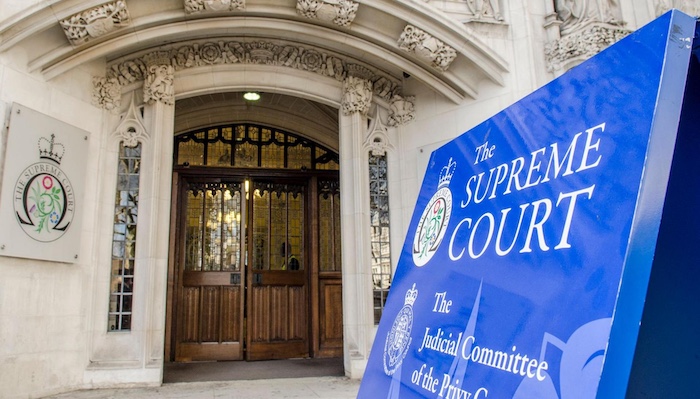

The long‑running dispute between Nigeria and Process & Industrial Developments Limited (P&ID) has effectively come to an end, with the United Kingdom Supreme Court unanimously dismissing P&ID’s appeal and ordering the company to pay Nigeria’s legal costs of up to £44.2 million.
Delivering judgment on 22 October, a panel led by Lord Reed, President of the Supreme Court, affirmed earlier rulings of the Commercial Court and the Court of Appeal that costs must be paid in pounds sterling (GBP)—the currency in which Nigeria’s legal obligations were incurred—rather than in naira (NGN).
In 2019, P&ID obtained an arbitral award of $9.6 billion against Nigeria, later accruing to over $11 billion with interest, arising from a failed gas supply and processing agreement. The award placed Nigeria’s foreign reserves and assets abroad at risk of seizure.
Following intervention by then CBN Governor Godwin Emefiele and approval from President Muhammadu Buhari, the Central Bank of Nigeria (CBN) and the Attorney General of the Federation (AGF) engaged UK counsel to challenge the award. Though time for appeal had lapsed, Nigeria relied on Section 68 of the UK Arbitration Act, which permits challenges where fraud is established.
In August 2023, the Commercial Court found that the arbitral awards had been procured by fraud and bribery, rendering them void.
The High Court held that P&ID had engaged in corrupt practices in securing the contract and that its lawyers improperly retained Nigeria’s privileged documents. The court also noted that P&ID’s counsel stood to personally benefit by hundreds of millions of pounds had the award been enforced. The matter was referred to the Bar Standards Board and the Solicitors Regulation Authority for professional misconduct review.
Nigeria incurred £44.2 million in legal fees between 2019 and 2024, billed and paid in sterling.
P&ID argued that costs should be awarded in naira to prevent Nigeria from gaining a “windfall” due to currency depreciation.
The Supreme Court rejected this, holding that:
– Costs orders are discretionary and not compensatory like damages.

– Costs represent a statutory indemnity for litigation expenses, not compensation for loss.
– Courts should not inquire into how litigants fund their legal fees, as this would encourage “disproportionate and expensive satellite litigation.”
– Accordingly, the Court ordered P&ID to pay Nigeria’s costs in sterling, dismissing the appeal in its entirety.
This judgment conclusively ends P&ID’s attempt to enforce the fraudulent $11 billion arbitral award. This judgment also reaffirms the principle that costs are awarded in the currency in which legal services were billed and paid, absent exceptional circumstances, and underscores the UK judiciary’s intolerance for fraud in international arbitration. The judgement represents a major victory for Nigeria, safeguarding its foreign reserves and shielding its economy from catastrophic liability.