




President Tinubu Grants Clemency to Maryam Sanda, Convicted in 2020 Husband’s Murder Case

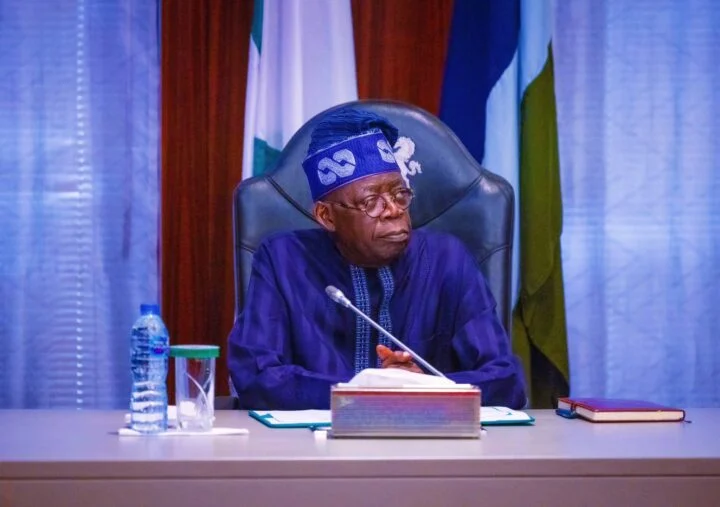

President Bola Ahmed Tinubu has granted clemency to 175 convicts and former convicts, including capital offenders, illegal miners, white-collar convicts, remorseful drug offenders, and foreigners. The move is seen as a demonstration of the President’s commitment to mercy and justice.
The beneficiaries of the presidential pardon include notable individuals such as Maryam Sanda, Ken Saro Wiwa, and the other Ogoni Eight. Major General Mamman Vatsa, Major Akubo, and Professor Magaji Garba also received clemency.
The Presidential Advisory Committee on the Prerogative of Mercy, chaired by the Attorney-General and Justice Minister, Prince Lateef Olasunkanmi Fagbemi, recommended pardon for two inmates, 15 former convicts, 11 of whom have died. The committee also recommended clemency for 82 inmates and commutation of sentences for 65 inmates.
Seven inmates on death row benefited from the Presidential reprieve, with their death sentences commuted to life imprisonment. The committee’s report was presented at the Council of State meeting, chaired by President Bola Ahmed Tinubu.
The beneficiaries of the presidential pardon include individuals who have shown remorse, acquired new vocational skills, or enrolled in the National Open University of Nigeria (NOUN). Some beneficiaries were pardoned due to old age or ill health.
The list of beneficiaries includes 80 individuals who were sentenced for various crimes, including drug-related offenses, theft, and unlawful mining. Senator Ikra Aliyu Bilbis signed an undertaking to be responsible for the rehabilitation and empowerment of all the convicted illegal miners granted presidential clemency.
The presidential pardon also corrected a historic injustice committed by British colonialists against Sir Herbert Macaulay, one of Nigeria’s foremost nationalists. Macaulay was posthumously pardoned for misappropriation of funds and sentenced in 1913.
The list of beneficiaries includes individuals who have spent years in prison, showing good conduct and remorsefulness. Some beneficiaries had their sentences reduced or commuted to life imprisonment.
The presidential pardon is seen as a demonstration of the President’s commitment to justice and mercy. The move is expected to bring relief to the beneficiaries and their families.
The Attorney-General and Justice Minister, Prince Lateef Olasunkanmi Fagbemi, played a key role in the presidential pardon process. The committee’s recommendations were presented at the Council of State meeting.
The presidential pardon process involved careful consideration of individual cases, taking into account factors such as good conduct, remorsefulness, and acquisition of vocational skills.
The beneficiaries of the presidential pardon are expected to be reintegrated into society, with some undergoing rehabilitation and empowerment programs.
The presidential pardon is a significant development in Nigeria’s justice system, highlighting the importance of mercy and rehabilitation.
The list of beneficiaries includes individuals from various backgrounds, including foreigners and Nigerians. The presidential pardon is seen as a demonstration of the President’s commitment to fairness and justice.
The presidential pardon process is expected to continue, with ongoing efforts to review and reconsider individual cases.
The beneficiaries of the presidential pardon are expected to be grateful for the opportunity to start anew, with some expressing gratitude to the President and the committee for their clemency.