









Tunisia Labour Code Reform 2025: Impact on Businesses

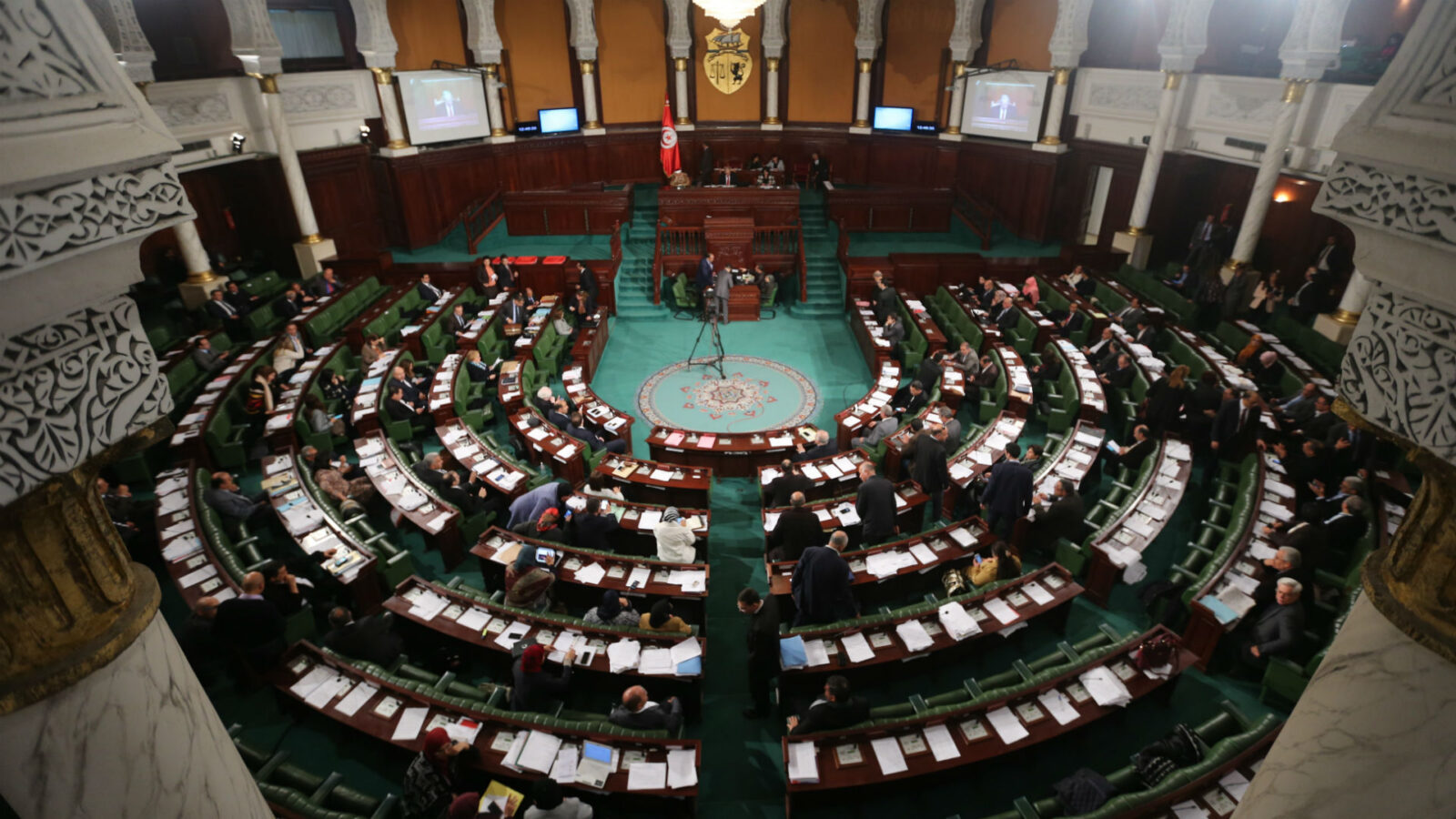

In May 2025, Tunisia enacted Law No. 2025-9, introducing sweeping reforms to the country’s Labour Code. Published in the Official Gazette on 23 May 2025, the legislation represents one of the most substantial changes to Tunisia’s employment framework in recent decades. The reform is aimed at strengthening worker protections, reducing precarious employment practices, and ensuring closer alignment with international labour standards. While the new provisions are expected to enhance job security and working conditions for employees, they also impose additional legal and financial obligations on employers operating in the Tunisian market.
A central feature of the reform is the establishment of indefinite-term contracts as the default form of employment. This means that employment contracts are now presumed to be permanent in duration. Fixed-term contracts, which many employers had relied upon to maintain a flexible workforce, are permitted only under narrowly defined statutory exceptions, such as seasonal activities, temporary replacements for absent workers, or exceptional projects. This shift is designed to discourage the overuse of fixed-term arrangements and to promote long-term employment relationships.
Alongside this development, the law also places restrictions on outsourcing and subcontracting. Practices that undermine core employment protections, particularly the use of subcontracted workers to avoid employer obligations, may now expose businesses to liability. Subcontracting arrangements that fail to comply with the new provisions risk being reclassified as direct employment relationships, thereby placing the legal and financial burden of an employer on the company benefiting from the labour.
For businesses, the implications of the reform are considerable. The predominance of indefinite contracts will likely increase employment costs, as companies will have less flexibility to manage their workforce through short-term arrangements. The heightened restrictions on outsourcing also limit options for cost-saving through subcontracted arrangements. Employers may face exposure to claims if existing contracts are found to be inconsistent with the new provisions. As a result, businesses must reassess their staffing models, contract structures, and human resource policies to ensure compliance with the law.

In practical terms, companies operating in Tunisia will need to carry out a comprehensive audit of their existing employment contracts and outsourcing agreements. Human resources policies must be revised to align with the new statutory requirements, particularly in relation to hiring and contract duration. Employers should also plan for higher labour costs in their financial projections and strengthen their internal documentation processes to mitigate the risk of litigation.
Overall, Tunisia’s labour law reform signals a decisive policy shift towards reinforcing job stability and protecting workers’ rights. Although compliance with the new framework will create financial and administrative challenges for employers, businesses that respond proactively will be better positioned to manage legal risks and maintain sustainable operations in the Tunisian market.