









Kenya’s President Ruto Assents to the Division of Revenue Bill 2025


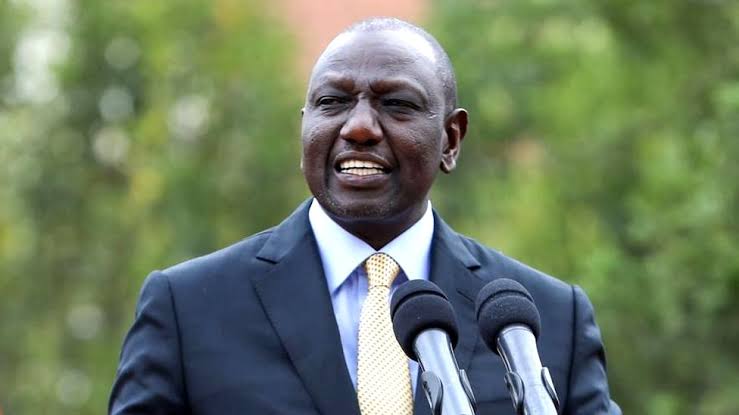
On July 8, 2025, President William Ruto assented to the Division of Revenue Bill 2025, a key piece of legislation that determines how Kenya’s national revenue is distributed between the National Government, County Governments, and the Equalisation Fund. This Bill is a vital aspect of Kenya’s devolution system, designed to ensure that both national and local governments have the resources to perform their duties effectively.
The Bill allocates KES 415 billion to the county governments, an increase of KES 17.6 billion from the previous fiscal year. This amount exceeds the constitutional minimum of 15% of the national revenue, aiming to empower county governments to implement local development projects in sectors like healthcare, education, infrastructure, and water supply. Additionally, the Equalisation Fund, which focuses on addressing disparities in underdeveloped regions, will receive KES 9.6 billion, benefiting counties with significant historical economic gaps.
One of the Bill’s most important features is its revenue stabilisation clause. If national revenue falls short during the fiscal year, the National Government is committed to covering deficits to ensure that counties are not deprived of critical funding. This provision is essential in maintaining financial stability, especially during economic downturns or times of national crises.
The Bill also lays the groundwork for a fourth-generation revenue formula, ensuring a fairer distribution of resources based on county needs and population size.
For Kenya’s economy, the passage of this Bill signals a step toward greater economic decentralisation and inclusive growth. It strengthens the relationship between national and county governments, making governance more efficient and responsive to local needs. However, challenges remain in ensuring that the allocated funds are used efficiently and equitably to foster real development in counties, especially the most marginalized regions.
In the long term, this policy could drive sustainable development, reduce regional disparities, and empower local economies.