








South Africa Responds to U.S. 30% Tariffs with Strategic Diversification and Diplomatic Push


On April 2, 2025, U.S. President Trump announced a 31% reciprocal tariff on South African imports, including autos, citrus, wine, soybeans, sugar cane, and beef; effective July 9. The move, part of his broader “reciprocal tariffs” stance, effectively revoked South Africa’s preferential access under AGOA, jeopardizing approximately 35,000 agricultural jobs
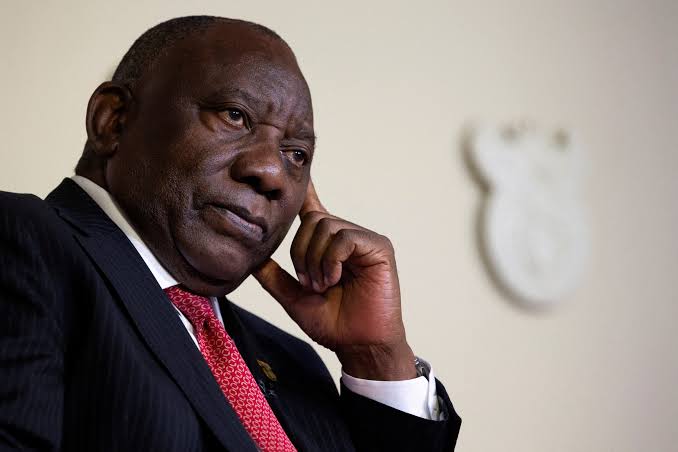
In response, President Cyril Ramaphosa and Trade Minister Parks Tau vowed to avoid retaliation and instead pursue diplomatic negotiations for tariff exemptions or quota agreements. South Africa formally requested a 90-day extension to delay the tariff’s implementation, citing its submission of a comprehensive trade proposal including U.S. LNG purchases in May 2025
Simultaneously, the government unveiled a diversification strategy: accelerating export growth to markets across Africa, Asia, Europe, the Middle East, and the Americas via AfCFTA; shifting towards high-value manufacturing; and investing in key sectors hit by tariffs. Industry-specific measures are also in development: special incentives for the auto sector under the existing Automotive Production Development Programme are being modelled to cushion tariff effects.
Economically, the tariffs threaten vital sectors: citrus producers have lost AGOA advantages generating around $100 million annually in U.S. sales, while macadamia exporters and automakers have begun exploring alternative markets. The rand remains volatile but marginally strengthened as the government positions for protracted talks.
Overall, South Africa’s measured approach is grounded in negotiation, export diversification, sector buffers, and regional trade engagement seeks to reinforce resilience and stability amid global trade disruptions. Whether these efforts successfully avert long-term economic harm depends on the outcome of bilateral talks and U.S. responsiveness by mid-July.