









Kenya Ends 10-Year Freeze on Bank Licenses


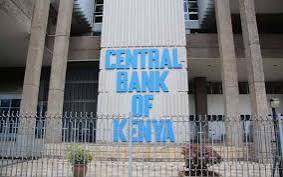
After a decade-long pause, Kenya’s Central Bank (CBK) has officially lifted the moratorium on new bank licenses, effective July 1, 2025. This move marks a significant shift in Kenya’s financial landscape and opens the door for new players to enter the banking sector.
The freeze, which began in November 2015, was initially imposed to strengthen governance, manage systemic risks, and allow for stability in the sector following the collapse of several banks. Now, with the financial ecosystem maturing, the CBK is ready to admit new, well-capitalized, and technologically driven banks.
Under the new framework, prospective banks must meet a minimum core capital requirement of KES 10 billion (~USD 80 million). This is a deliberate strategy to ensure that only serious, financially robust institutions can enter the market, limiting the risks posed by undercapitalized banks.
The decision comes at a time when Kenya is also ramping up oversight of digital lenders and expanding real-time settlement windows. The introduction of new banks is expected to increase competition, spur innovation, and improve financial inclusion, especially in underbanked regions.
For everyday Kenyans, this could mean better banking products, improved access to credit, and more competitive interest rates. It may also encourage digital-first banks and international players to bring modern, customer-friendly services to the market.

However, the higher entry capital may limit the participation of smaller, community-focused banks. It remains to be seen whether the new entrants will prioritize serving rural and low-income consumers or focus on urban, tech-savvy markets.
Ultimately, the reopening of the banking sector signals Kenya’s readiness to balance growth with regulation and to create a more dynamic, competitive financial environment for all stakeholders.