









Nigeria Introduces Performance‑Driven Tax Incentives for Oil Sector


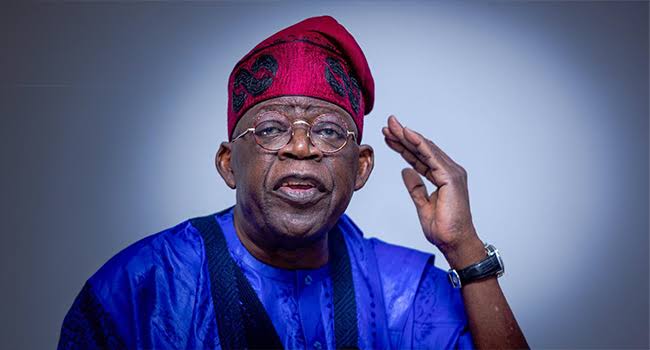 Nigeria’s President Bola Tinubu has issued a landmark executive order targeting Nigeria’s upstream oil operations. The Cost Efficiency Incentives Order 2025 links tax relief directly to measured cost‑cutting achievements—aligning fiscal incentives with industry performance.
Under the new framework, oil operators—including onshore, shallow‑water, and deep‑offshore fields—can apply for tax credits worth up to 20% of their annual oil‑sector tax liabilities, conditional on documented efficiency gains . This represents a major pivot from traditional fixed‑rate deductions, pushing companies to prioritize operational excellence and cost discipline.
President Tinubu emphasized the order’s strategic importance:
“We are building an oil and gas sector that is efficient, competitive, and works for all Nigerians,” he stated, reinforcing the policy’s goal to enhance national competitiveness.
The move fits into the wider government agenda of revitalizing the oil and gas sector. Previous measures included a 25% gas‑utilization investment allowance and streamlined project contracting—but saw limited new exploration. This new order is set to adopt a more measurable, results‑based approach .
Industry analysts caution that real benefit hinges on effective implementation across agencies. As Clementine Wallop of Horizon Engage noted, “alignment between government agencies” will be key to unlocking the policy’s promise .
What this means for businesses:

Oil operators must now quantify and report cost‑cutting efforts to qualify.
Tax planning and project management teams will need to work closely to document efficiencies.
Firms that can optimize operations stand to gain significant financial relief—boosting margins and attracting fresh investment.