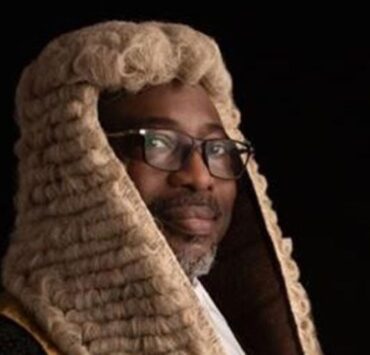









INEC Chairman Amupitan: Elections Must Be Decided at Polling Units, Not in Courts

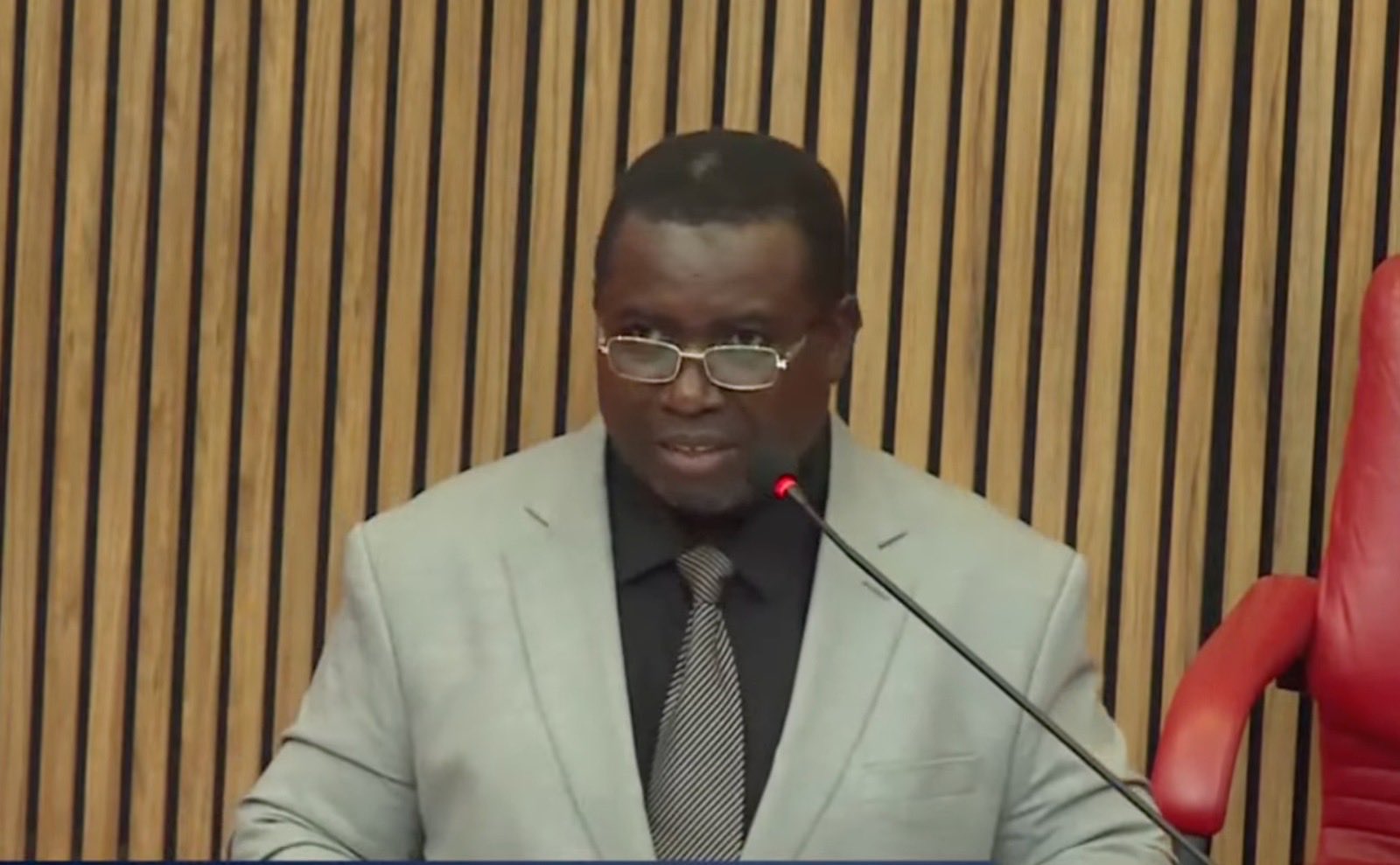

The newly appointed Chairman of the Independent National Electoral Commission (INEC), Professor Joash Amupitan, SAN, has declared that Nigeria must move beyond a system where the courts routinely determine electoral outcomes, stressing that elections must be won and lost at the polling units.
Speaking at the 56th Annual Conference of the Nigerian Association of Law Teachers (NALT), held at the University of Abuja, Amupitan pledged to work towards reducing the avalanche of pre‑election litigations that have long burdened Nigeria’s electoral process. He called on legal scholars to partner with INEC in reforming the electoral framework to ensure that the will of the electorate prevails.
Amupitan reaffirmed his commitment to integrity, fairness, and transparency in the conduct of elections, noting that if the legal framework is strengthened, losers would have no hesitation in congratulating winners. He emphasised that law is not merely a set of rules but the foundation of ethical governance, economic opportunity, and the protection of rights, and that INEC’s policies must be anchored on sound legal foundations.
While acknowledging progress made by the National Assembly in amending the Electoral Act, he stressed that more legislative reforms are required. He assured that INEC would work closely with lawmakers to secure enduring electoral laws capable of guaranteeing credible polls.
Calling on the legal community for constructive criticism and support, Amupitan described himself as an “ambassador” of the profession within INEC, urging prayers and collaboration. He underscored the role of patriotism and collective responsibility in national development, quoting Professor Patrick Lumumba to remind participants that Africa’s rise is tied to Nigeria’s leadership.
Earlier, Professor Oluwole Akintayo, President of NALT, urged the repositioning of law as a central instrument for national development, economic renewal, and democratic integrity. He argued that law must evolve from being a “passive spectator” to an “active architect” of Nigeria’s progress, particularly in an era of globalisation and technological disruption. He also raised concerns about the growing number of law graduates and the attendant pressure on professional standards.

Akintayo described Amupitan’s appointment as INEC Chairman as a “proud moment” for NALT, noting that it provides an opportunity to strengthen electoral jurisprudence and democratic governance. He stressed that electoral justice is the bedrock of democratic legitimacy and sustainable development.
Also speaking, Professor Ademola Popoola, Chairman of NALT’s Board of Trustees, cautioned that while globalisation has been celebrated as a force for progress, it has also deepened inequality in developing nations. He called for inclusive legal and policy frameworks that promote justice, sustainability, and shared prosperity.