
Court Action as Human Rights Lawyer Challenges Niger Governor’s Directive on Vetting of Sermons

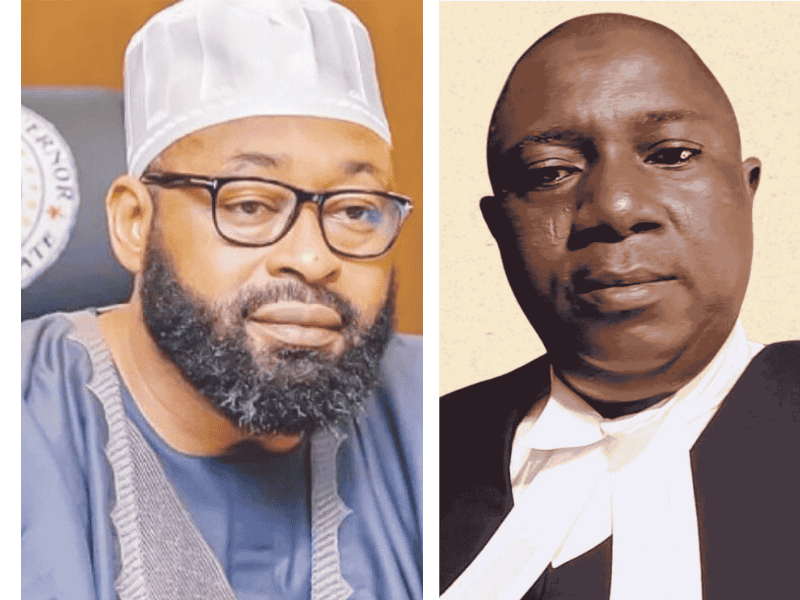

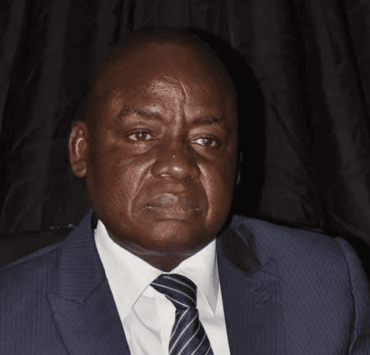
Human rights activist, Mohammed Danjuma has sued the Nigeri State Governor, Umar Bago for requiring vetting of sermons by authorities before clerics can preach them.
According to court papers sighted by newsmen, the action which has been filed before the Federal High Court, Minna Division is titled;
In The Matter of An Application by Mohammed Danjuma Esq for The Enforcement of His Fundamental Human Rights Brought Pursuant to Sections 38, 39, 33 And 46 of The 1999 Constitution of The Federal Republic Of Nigeria (As Amended) and Under the African Charter on Human and People’s Rights (Ratification And Enforcement) Act.
The matter is between the applicant, Mohammed Danjuma, Esq., and Governor Of Niger State, Attorney General and Commissioner for Justice (Niger Sate), Commissioner Of Police (Niger State), Commandant (NSCDC), State Security Service(Niger State Command),
The applicant, Mr. Danjuma is seeking the following relief:
“1. A DECLARATION that the policy of the Niger State Government of vetting, censoring, screening sermons by clerics before preaching at worship places is unconstitutional, illegal and null and void and of no effect.
2. A DECLARATION that the directive by the Governor of Niger State to the Nigeria Army, Nigeria Police, Nigeria Security and Civil Defence Corps and State Security Service to enforce compliance of the policy of vetting and/or censoring, sermons before preaching as unconstitutional, illegal and null and void.
3. A DECLARATION that the introduction of issuance of license to clerics in Niger State before preaching in churches and mosques is unconstitutional, illegal and a gross violation of the fundamental rights of the citizens of Niger State.
A PERPETUAL INJUNCTION restraining the Respondents, their agents, staff, privies or whosoever acting on their behalf from implementing and/or enforcing the vetting and censoring of sermons before preaching policy of Niger State Government.
AND for such orders and further other orders as this Honourable Court may deem fit to make in the circumstance.” The document read.
The courts act as a protector of rights through the judicial system, which was established by the Constitution to provide fair and impartial justice. This is achieved through legal interpretations, judicial review, and ensuring laws are applied fairly to all citizens. The courts uphold constitutional rights and protect citizens from government overreach by hearing cases, ruling on constitutional questions, and ensuring due process.
The issues raised in this case reflect the dynamic nature of fundamental rights and their interpretation within Nigerian law, emphasising the importance of judicial review in balancing individual liberties against state interests. Justice watchers are keeping their fingers crossed as we await the judicial pronouncement on this matter.