




Abuja Court Hears Suit to Halt January 1 Implementation of Nigeria’s New Tax Regime



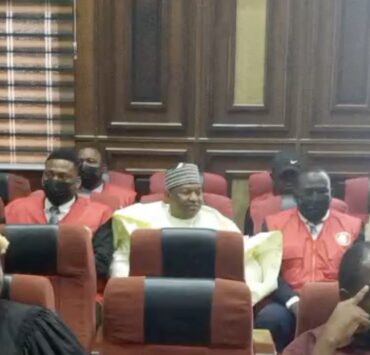
The High Court of the Federal Capital Territory, sitting in Abuja, on Monday began hearing a suit seeking to restrain the Federal Government from enforcing the recently enacted tax laws.
The suit, presently before a vacation court, questions the validity and enforceability of several tax reform Acts passed by the National Assembly and assented to by President Bola Ahmed Tinubu.
The Incorporated Trustees of the African Initiative for Abuse of Public Trusts, the plaintiff in the suit, has instituted proceedings against the Federal Republic of Nigeria, the President of the Federal Republic of Nigeria, he Attorney‑General of the Federation, The President of the Senate, the Speaker of the House of Representatives and the National Assembly before the court over alleged discrepancies in the new tax laws.
In its Motion Ex Parte, the plaintiff seeks interim injunctive relief restraining the Federal Government, the Federal Inland Revenue Service (FIRS), the National Assembly, and all relevant agencies from implementing, executing or enforcing any provisions of the gazetted Nigeria Tax Act, 2025, Nigeria Tax Administration Act, 2025, Nigeria Revenue Service (Establishment) Act, 2025, Joint Revenue Board of Nigeria (Establishment) Act, 2025, pending the determination of the substantive suit.
The plaintiff further prays the court to restrain the President, either personally or through any federal agency established under the new laws, from enforcing the Acts in any state of the federation until the motion on notice is heard.
Additional reliefs sought include an order for accelerated hearing of the substantive originating summons, an abridgement of time for defendants to file counter‑affidavits to five days and leave to serve processes on the defendants by substituted means
The plaintiff is seeking permission to serve the President and Federal Government through the Office of the Attorney‑General of the Federation, while service on the National Assembly leadership is to be effected through the Clerk of the National Assembly.
The contested tax reform package forms part of the Tinubu administration’s fiscal restructuring agenda, aimed at broadening Nigeria’s tax base, improving collection efficiency, and reducing reliance on borrowing. The reforms consolidate multiple tax and revenue administration laws to modernise compliance and enhance coordination between federal and subnational agencies.

However, the enactments have provoked widespread controversy. Civil society organisations, labour unions, and some state governments allege post‑passage alterations to the Acts, inadequate stakeholder consultation, encroachment on states’ fiscal autonomy, and potential adverse impact on businesses and low‑income earners
The National Assembly and the Presidency have consistently denied these allegations, maintaining that the laws were duly passed, properly gazetted, and remain intact. They argue that the reforms are essential to stabilising Nigeria’s economy in the face of rising debt obligations and declining oil revenues.
After hearing submissions from the plaintiff’s counsel, the court reserved ruling on the application for interim injunction. The decision, expected today, is being closely monitored by the Presidency, the National Assembly, state governments, and stakeholders nationwide, as it will determine whether the controversial tax reforms proceed as scheduled on 1 January 2026.