







U.S. Tightens Visa Screening: Applicants Must Disclose Five Years of Social Media History

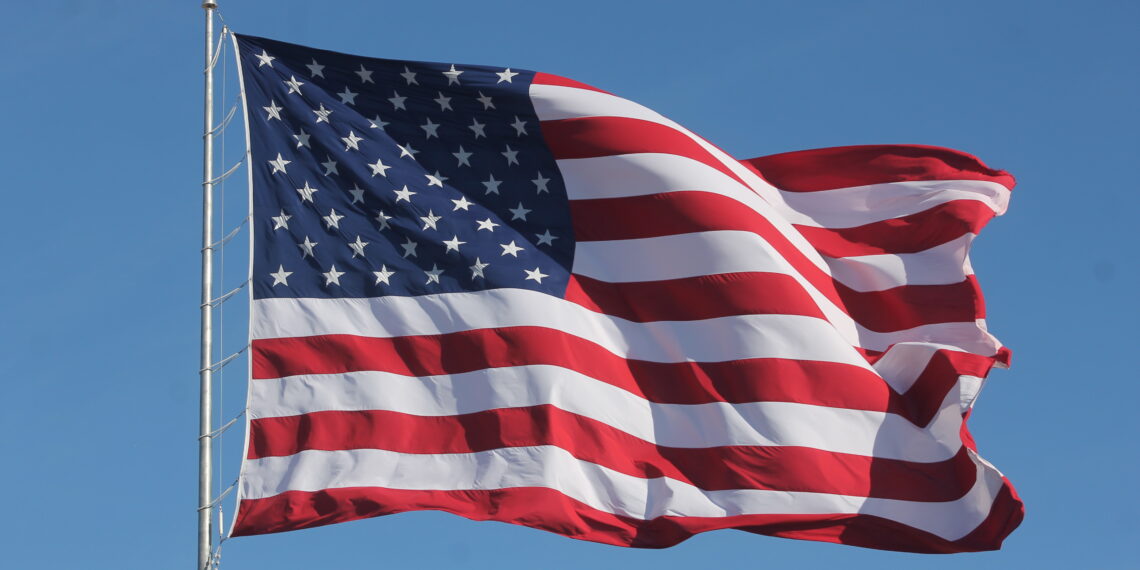

The United States government has introduced a significant regulatory change to its visa application process, requiring all applicants—both immigrant and non-immigrant—to disclose every social media username they hu-s-tightens-visa-screening-applicants-must-disclose-five-years-of-social-media-historyave used in the past five years. This policy, which builds on earlier security vetting frameworks, is designed to enu-s-tightens-visa-screening-applicants-must-disclose-five-years-of-social-media-historyhance national security and detect potential threats through digital footprints.
Under the new requirement, applicants completing thu-s-tightens-visa-screening-applicants-must-disclose-five-years-of-social-media-historye DS-160 (non-immigrant) or DS-260 (immigrant) visa forms will encounter a dedicated section where they must list usernames from a wide range of platforms, including Facebook, X (formerly Twitter), Instagram, LinkedIn, YouTube, and others. Importantly, applicants are not required to provide passwords, but failure to disclose all accounts could be treated as misrepresentation, potentially leading to denial of a visa or other immigration consequences.
The U.S. State Department has emphasized that this measure is not meant to curtail freedom of expression but rather to allow consular officers and security agencies to cross-reference online activity with other background checks. Authorities argue that online content often provides critical indicators of an applicant’s affiliations, travel patterns, or potential involvement in extremist activities.
Critics, however, have raised concerns about privacy, freedom of association, and the chilling effect this may have on applicants’ online speech. Legal scholars argue that while national security interests are legitimate, the broad scope of the disclosure raises questions under U.S. constitutional protections as well as international human rights standards. Privacy advocates further caution that the requirement may disproportionately affect journalists, activists, and vulnerable groups who rely on anonymity in digital spaces.

For lawyers and compliance professionals, this regulatory shift signals the need to advise clients carefully when completing U.S. visa applications. It also highlights the growing intersection of immigration law, data privacy, and digital surveillance. As global mobility increasingly collides with online transparency, this development sets a precedent other jurisdictions may soon follow.