







U.S. Halts Immigration and Citizenship Processing for 19 Countries Citing National Security Risks

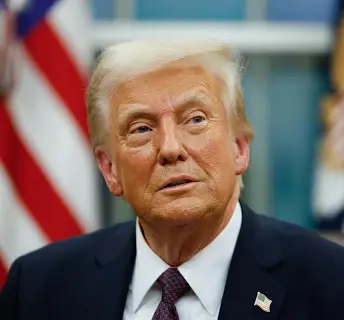

The Trump administration on Tuesday announced an immediate pause on all immigration-related applications — including green cards and U.S. citizenship processing — filed by nationals of 19 non-European countries. The move, which the administration says is driven by “heightened national security and public safety concerns,” expands existing restrictions first introduced in June.
According to a newly released memorandum, the suspension affects immigration applicants from the same 19 countries subjected to partial or full travel bans earlier in the year. The list includes Afghanistan, Somalia, Iran, Libya, Sudan, Yemen, Haiti, Eritrea, and others.
Officials say the latest decision was influenced in part by last week’s attack on U.S. National Guard members in Washington, D.C., in which an Afghan national was arrested as a suspect after one Guard member was killed and another critically injured. The memorandum frames the incident as evidence of the need for deeper scrutiny of applicants from countries previously identified as “high-risk.”
President Trump has intensified his rhetoric in recent days, particularly toward Somali nationals, whom he disparaged publicly while reinforcing his administration’s hardline stance on immigration. Since returning to office in January, the administration has prioritized aggressive immigration enforcement, including expanded federal operations in major U.S. cities and tightened restrictions on asylum processing at the U.S.–Mexico border.
While the administration has consistently highlighted its deportation initiatives, analysts note that legal immigration had received comparatively less attention — until now. The new suspension signals a broader attempt to restructure pathways to lawful residence and citizenship under the umbrella of national security.
Countries Affected by the Latest Suspension
The 19 targeted countries fall into two groups:
Countries with the most severe restrictions introduced in June:
Afghanistan, Burma, Chad, Republic of the Congo, Equatorial Guinea, Eritrea, Haiti, Iran, Libya, Somalia, Sudan, Yemen.
Countries previously under partial restrictions:
Burundi, Cuba, Laos, Sierra Leone, Togo, Turkmenistan, Venezuela.
Under the new directive, all pending immigration applications from individuals originating from these countries are placed on hold. The memorandum further requires that applicants undergo a “thorough re-review process,” which may include additional interviews or re-interviews aimed at reassessing any potential national security or public safety risks.

The American Immigration Lawyers Association (AILA) confirmed that lawyers and applicants are already reporting widespread disruptions. According to Sharvari Dalal-Dheini, AILA’s Senior Director of Government Relations, there have been cancellations of naturalization oath ceremonies, citizenship interviews, and adjustment-of-status interviews for individuals affected by the updated travel ban list.
The directive also cites several recent crimes allegedly involving immigrants from the listed countries as justification for an intensified review of legal immigration channels.
A Broader Shift in U.S. Immigration Policy
The pause marks one of the most substantial escalations in immigration restrictions since Trump’s return to office. It underscores an emerging strategy that places legal immigration — not only irregular migration or border enforcement — at the centre of the administration’s security messaging.
Critics argue that the policy risks sweeping in thousands of lawful applicants, including long-term U.S. residents preparing for citizenship, without evidence that broad-based nationality-specific restrictions improve national security outcomes.
As legal challenges are expected and advocacy groups mobilise, the policy’s long-term implications for global mobility, diaspora communities, and U.S. immigration law remain to be seen.