









Nigeria’s Raw Shea Nut Export Ban

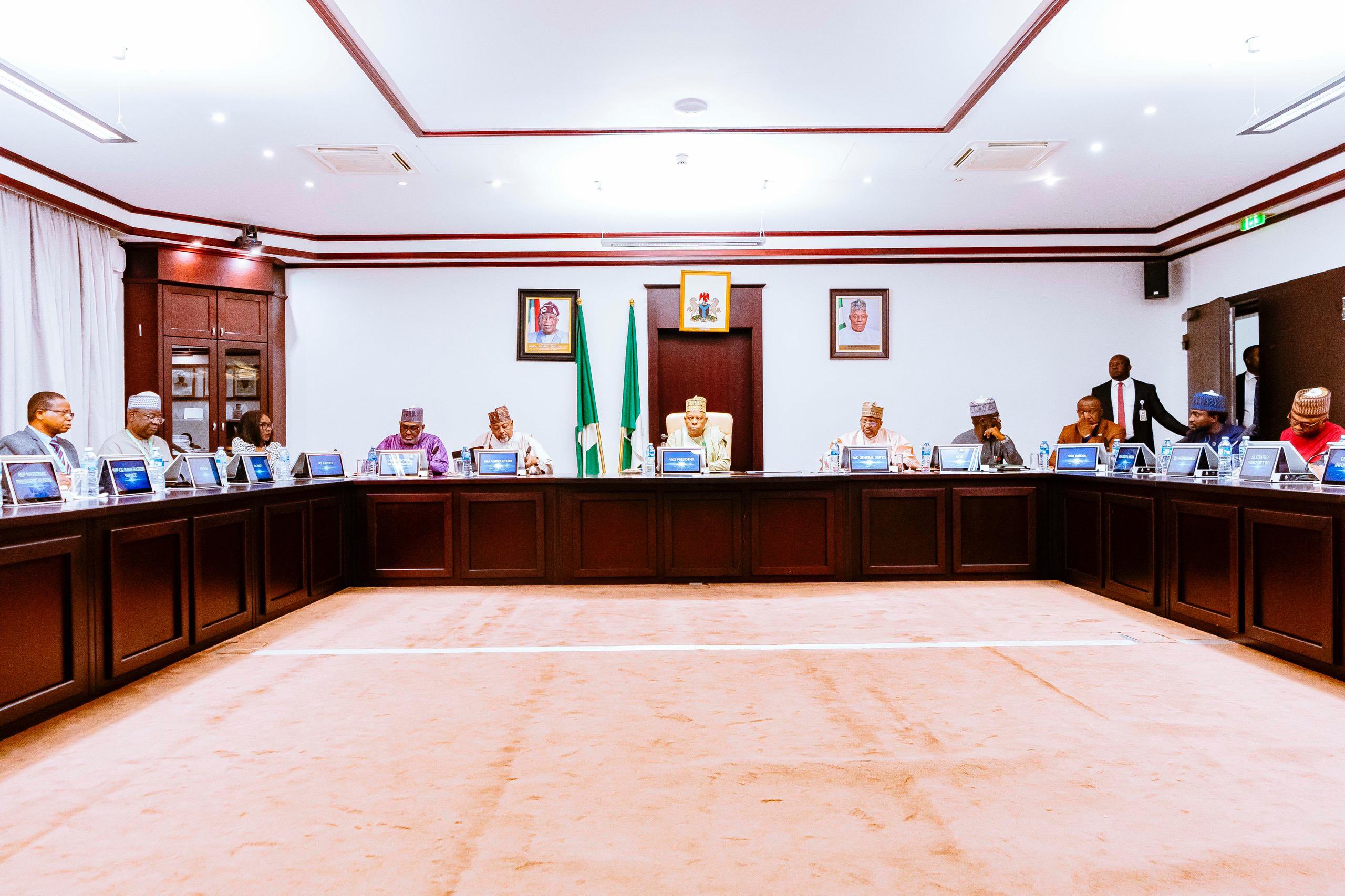

Nigeria has announced a six-month ban on the export of raw shea nuts, marking a decisive shift in the country’s industrial and trade policy. The federal government, led by Vice President Kashim Shettima, emphasized that the move is designed to end decades of dependency on raw commodity exports while positioning Nigeria as a global hub for shea processing. At present, Nigeria supplies nearly 40 percent of the world’s raw shea nuts but reaps only a sliver of the multibillion-dollar market for shea butter and other derivatives that dominate the cosmetics, pharmaceutical, and food sectors. The government argues that this imbalance has long deprived the nation of economic benefits and job opportunities that come with value addition.
Policymakers insist the ban is not punitive but a strategic intervention to redirect capital into local industries. Officials from the Ministry of Finance, Trade, and Industry explained that by preventing raw exports, Nigeria can incentivize investment in modern processing facilities, build competitive supply chains, and create thousands of jobs, especially for women and rural communities who form the backbone of shea nut collection. Estimates suggest that processed shea products could generate up to $3 billion annually for the Nigerian economy by 2027 if local refining capacity is scaled up.
Reactions to the policy have been mixed. Industry stakeholders in export-driven businesses have raised concerns about short-term disruptions, warning that smallholder farmers who depend on immediate cash from raw exports might feel an initial squeeze. However, many local processors and cooperatives are applauding the measure as overdue. They argue that the ban will finally level the playing field, allowing Nigerian enterprises to compete with established processing giants in West Africa, particularly Ghana and Burkina Faso, who already dominate the global supply of refined shea butter.
The government has pledged to cushion the transition with targeted support, including the establishment of a major shea processing hub in Niger State, access to financing for cooperatives, and incentives for private sector investors. For Nigeria, this policy is more than a trade ban; it is a test of whether Africa’s largest economy can break free from the raw-export trap and capture greater value from its natural resources. If successful, it may serve as a model for other sectors seeking to shift from commodity dependence toward industrial growth.