Nigeria to Launch State Asset Sales in 2026 to Boost Revenue and Cut Deficit

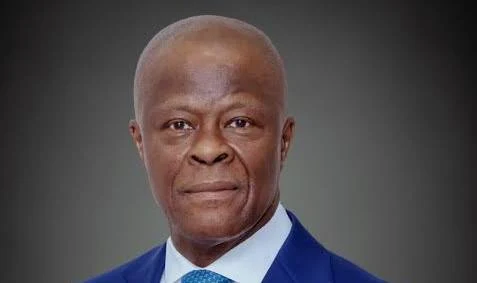

The Federal Government of Nigeria has announced plans to commence the sale of selected state-owned assets in 2026 as part of a broader fiscal reform strategy aimed at strengthening public finances and attracting private sector investment. The initiative, confirmed by Finance Minister Wale Edun, is designed to improve liquidity, reduce pressure on public borrowing, and unlock value from underperforming government holdings.
The proposed asset sales come at a time when Nigeria is grappling with a significant fiscal gap, with the budget deficit estimated at around ₦25 trillion. By monetising certain state assets, the government hopes to generate immediate revenue while also encouraging more efficient management under private ownership. Officials say the process will involve identifying viable assets, conducting valuations, and structuring transparent transactions that align with long-term national economic interests.
While the government views the initiative as a pragmatic solution to revenue challenges, the plan has sparked debate among economists and business leaders. Some analysts argue that outright asset sales should be carefully structured to avoid undervaluation and ensure that strategic national assets remain protected. Others have suggested alternative financing mechanisms such as securitisation or public-private partnerships to achieve similar fiscal outcomes without full divestment.
The Lagos Chamber of Commerce and Industry has called for transparency and accountability in the execution of the programme. The business group emphasised that proceeds from any asset sales should be channelled into productive investments, particularly infrastructure development, which could stimulate long-term economic growth and job creation.

Nigeria has undertaken privatisation efforts in the past, particularly in the power and telecommunications sectors, with mixed outcomes. As the 2026 programme unfolds, stakeholders will be watching closely to assess how effectively the government balances revenue generation with economic stability and public trust.
If implemented transparently and strategically, the planned state asset sales could mark a significant turning point in Nigeria’s fiscal reform agenda and broader economic restructuring effedunorts.