









Nigeria Responds to U.S. and UAE Visa Changes with Diplomatic Reassurance and Policy Directives


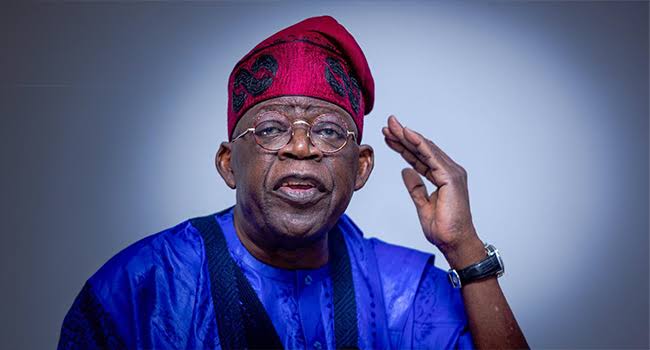
In response to recent visa policy shifts by the United States and the United Arab Emirates, the Federal Government of Nigeria issued an official statement on July 15, 2025, reaffirming its commitment to safeguarding the rights and dignity of Nigerian citizens abroad, while maintaining constructive diplomatic ties with both countries.
In a statement released by the Federal Government it acknowledged the U.S. government’s decision to reduce the visa validity for most Nigerian applicants to three months, single-entry, citing high overstay rates and the need for reliable access to identity records. The U.S. clarified that the adjustment was part of its global visa reciprocity review, a process regularly reassessed based on bilateral considerations.
In a measured but firm response, Nigeria’s President Tinubu has directed all federal agencies to ensure full compliance with Nigeria’s international obligations and to strengthen inter-governmental cooperation in authenticating citizens’ identities abroad. The President further urged all Nigerians to respect the immigration regulations of their host countries and maintain the integrity of their travel permits.
Regarding the UAE, the Nigerian government noted that it has not received formal communication on any new transit visa restrictions. However, the issuance process is reportedly ongoing in a “gradual and orderly” manner. The statement praised the UAE for remaining constructively engaged, with continued bilateral cooperation on consular matters.
What’s the significance of this?
This official communication underscores Nigeria’s intent to de-escalate tensions while reinforcing administrative diligence. Rather than retaliatory rhetoric, the government has opted for diplomatic channels and internal reforms—especially in the areas of passport verification, overstay tracking, and cross-border data sharing.

It also reflects the Tinubu administration’s 4-D Foreign Policy agenda, particularly its focus on Diaspora engagement. The government has committed to pursuing outcomes that enable Nigerians to travel, work, and live with dignity abroad.
What’s ahead for Nigeria?
While the immediate impact on student mobility, tourism, and business travel is substantial, Nigeria’s emphasis on diplomacy, identity system upgrades, and bilateral negotiations may help restore more favorable visa terms in the long term.